


The best place for your spare golf glove is in your golf bag. The same goes for your rain jacket, sunscreen and a small towel for your grips. When you’re playing several rounds in Thailand, these simple preparations can make a difference to your comfort.
Packing for the rest of your holiday deserves a little thought too. You’ll want clothing for dinners with fellow golfers, comfortable shoes for exploring and suitable outfits for any cultural visits.
We’ve put together this guide to help you prepare for your Thailand Golf Tour, both on and off the fairways.
Thailand Climate: What to Expect on Your Golf Tour
Thailand is warm throughout the year, but what you pack will depend on where and when you travel. Bangkok, Pattaya and Hua Hin generally have hot days and warm evenings, with rainfall increasing during the wetter months. Lightweight, breathable golf clothing is a useful starting point.
Phuket typically receives more rain, particularly from May to October, so pack a lightweight waterproof jacket and protection for your golf bag. Chiang Mai has more noticeable seasonal temperature changes, with cooler mornings and evenings from November to February. A light jumper is handy for early tee times during these months.
Use the tables below to check the destinations on your itinerary. Figures show average daily high and low temperatures for each month, rounded to whole degrees. Check the local forecast shortly before departure to fine-tune your packing.
What to Wear on the Golf Course
Choose clothing that feels comfortable throughout a full round, particularly when the weather is warm.
We suggest packing:
- Moisture-wicking golf polos: Quick-drying fabrics are useful when playing in humid conditions.
- Lightweight golf trousers, tailored shorts or golf skirts: Bring options you already enjoy playing in.
- Comfortable golf shoes: Choose a familiar pair with reliable grip.
- Plenty of golf socks: Allow for a fresh pair each round and a few spares.
- A lightweight outer layer: Useful for breezy conditions, cooler starts and transfers in air-conditioned vehicles.
Traditional golf attire is a sensible starting point. Check your final tour information for any specific club dress requirements.
Think about how many rounds you’ll play and whether you plan to use your host hotel’s laundry service. If you’re relying on laundry, check the cost and turnaround time before deciding how much to pack.
Sun Protection and Wet-Weather Essentials
Pack for sunshine and showers so you can adjust comfortably during your round.
Keep these items in your golf bag:
- A hat or visor and sunglasses.
- Sunscreen and lip balm with sun protection.
- A lightweight, breathable waterproof jacket.
- Your golf bag’s rain hood.
- A small towel for drying your hands and grips.
- At least one spare golf glove.
- A waterproof pouch for your phone and valuables.
Rotating between gloves gives a damp glove time to dry. A separate grip towel is also useful, particularly when your main towel is already wet.
Consider bringing a cooling towel for warmer rounds and a reusable water bottle to fill with safe drinking water. Make regular drink breaks part of your round.
Evening and Off-Course Attire
After golf, you’ll appreciate having a fresh outfit ready for dinner or a relaxed evening with the group.
Pack a few smart-casual pieces that you can mix and match:
- Lightweight shirts, polos or blouses.
- Comfortable trousers, dresses or skirts.
- Suitable footwear for dinners.
- A light jumper or cardigan for air-conditioned spaces.
Some restaurants and venues have their own dress requirements, so review your itinerary and final tour information before leaving.
For sightseeing, bring comfortable walking shoes that you’ve already worn for longer outings. Sandals are useful around your host hotel, while swimwear and a cover-up are worth packing if you plan to use the pool or visit the beach.
What to Wear for Temple and Cultural Visits
If your itinerary includes temples or religious sites, pack clothing that covers your shoulders and knees. This applies to both men and women.
A top with sleeves, paired with lightweight long trousers or a longer skirt, is a practical choice. Avoid relying solely on a scarf to make an otherwise unsuitable outfit acceptable, as individual sites may have stricter requirements.
Choose footwear that is comfortable for walking and easy to remove when required. Follow your guide’s advice and any signs at the entrance.
Keeping one suitable sightseeing outfit in your suitcase makes it easier to join cultural activities without needing to shop for extra clothing.
Golf Equipment Essentials
Before closing your golf travel bag, check that you have:
- Your clubs, with suitable padding and protective covers.
- Enough golf balls for the scheduled rounds, plus a few spares.
- Tees, ball markers and a pitch repair tool.
- Golf gloves and your usual on-course accessories.
- A luggage label with your contact details.
Bring the balls and gloves you prefer to use rather than relying on finding the same products during the tour.
Check your airline’s golf baggage allowance for every flight, including any connecting services. Weigh your fully packed bags at home, leaving room for anything you may bring back.
Caddie Tips and Spending Money
Before departure, review your tour information for guidance on caddie arrangements, tipping and any expenses payable locally.
Keep suitable Thai baht notes ready for golf days. Preparing these in advance avoids needing to find change just before or after your round.
Bring more than one way to pay for personal purchases. A bank card, a backup card stored separately and some local cash give you flexibility for meals, shopping and other spending outside your inclusions.
Ask our team if you’re unsure how much cash to prepare for the golfing part of your itinerary. Follow the guidance for your particular departure rather than a tipping amount from an older travel article.
Personal and Travel Essentials
Alongside your clothing and golf equipment, bring the everyday items you rely on:
- Travel-size toiletries.
- Insect repellent.
- Hand sanitiser and tissues.
- Plasters and blister pads.
- Personal medication and any necessary supporting documentation.
- A small day bag.
- A bag for separating worn or damp clothing.
Keep essential medication and important personal items accessible in your hand luggage. Check the applicable requirements for bringing your medication into Thailand before travelling.
A spare outfit in your carry-on can also be useful if your checked luggage is delayed.
Chargers and Travel Adaptors for Thailand
Bring your usual phone charger and cables, plus a travel adaptor that accepts Australian plugs and is specifically labelled for use in Thailand. Don’t assume your Australian plug will fit the socket at your host hotel.
Thailand uses several socket types, including Type A with two flat pins and Type C with two round pins. Type B and Type O sockets are also used. A suitable universal travel adaptor with flat-pin and round-pin options is a practical choice for charging phones and other small devices.
Thailand’s electricity supply is approximately 220–230V at 50Hz. Check the label on your charger: if it says “Input: 100–240V, 50/60Hz”, it supports the local supply and needs only the appropriate plug adaptor, rather than a voltage converter. An adaptor changes the plug connection; it does not change the voltage.
Remember to pack:
- Your phone’s wall charger and charging cable.
- Chargers for your golf watch, camera or other devices.
- A Thailand-compatible travel adaptor.
- A power bank, if needed, subject to your airline’s requirements.
If a device requires an earth connection, choose an adaptor that preserves it. Check compatibility separately for higher-powered appliances such as hairdryers or hair straighteners.
Technology and Important Documents
Prepare your phone before departure so you can access your itinerary and contact details when you need them.
We suggest bringing or arranging:
- Charging cables and a suitable travel adaptor.
- A roaming, SIM or eSIM option: Check compatibility, coverage and costs before purchasing.
- Offline copies of your itinerary: Include host hotel details and your Tour Host’s contact information.
- A power bank, if needed: Check your airline’s current carriage requirements before packing it.
- Travel documents: Keep your passport, flight confirmations and insurance details organised and accessible.
Check the latest entry requirements for your nationality and route before departure. The Australian Government’s Thailand travel advice is a useful starting point for Australian travellers.
A Final Check Before You Leave
Lay out your clothing and essentials before packing. Check that you have enough comfortable outfits for your rounds, something suitable for cultural visits and a few versatile options for evenings.
Review your final Golf Journeys tour information alongside the weather forecast. This will help you make any last adjustments for your particular itinerary.
If you’re joining our Thailand Golf Tour and have questions about what to bring, get in touch with our team. We’re here to help you arrive prepared and ready to enjoy the golf, the company and everything in between.

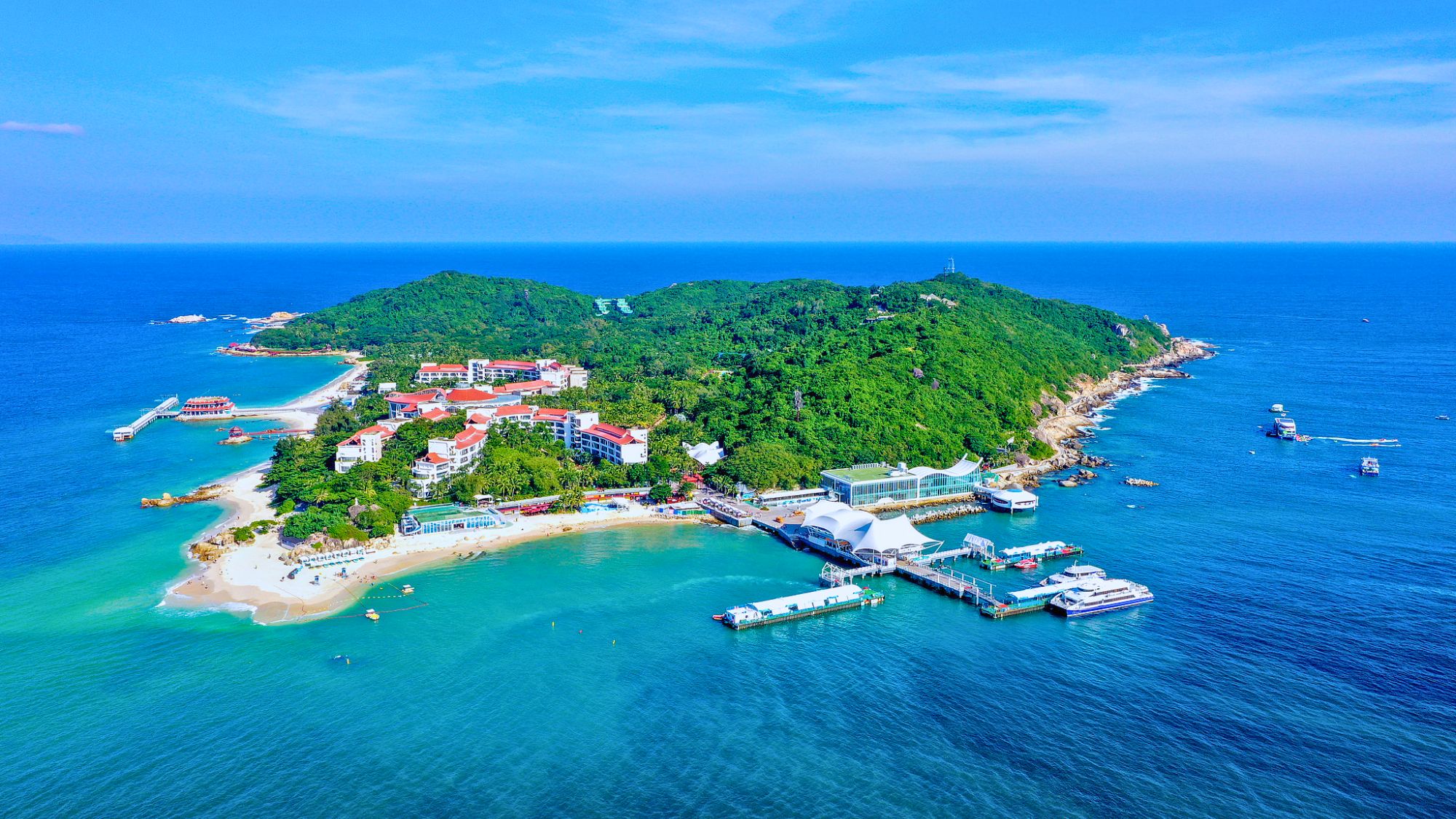
Preparing for your golf holiday in Hainan involves more than packing your clubs. Comfortable clothing matters, but so does knowing how you’ll pay for purchases, use your phone and stay in touch with family.
Our China Golf Tour visits Haikou and the Shenzhou Peninsula, combining golf at Mission Hills with coastal rounds and time to enjoy our host hotels. This guide is tailored to that Hainan itinerary, helping you prepare for the conditions and practical details ahead.
Understanding Hainan’s Weather
Hainan is an island off China’s southern coast. Packing for a golf holiday here requires a different approach from visiting northern China.
For our November departure, lightweight golf clothing is a good starting point, with an extra layer for cooler mornings, evenings and breezy rounds. Pack rain protection too, even though Haikou’s historical rainfall averages are lower in November than in the preceding months.
The table below shows average monthly high and low temperatures for Haikou, where our journey begins. Use these as a packing guide, and check the forecasts for both Haikou and the Shenzhou Peninsula shortly before departure.
What to Wear on the Golf Course
Choose familiar golf clothing that allows you to move freely and stay comfortable throughout a full round.
We suggest packing:
- Breathable golf polos: Moisture-wicking fabrics are useful for warmer, humid rounds.
- Lightweight golf trousers, tailored shorts or golf skirts: Bring a combination that suits your preferences and the forecast.
- A light jumper or mid-layer: Useful for cooler starts and air-conditioned transfers.
- A lightweight windproof or waterproof jacket: Choose something that fits in your golf bag without adding much bulk.
- Comfortable golf shoes: Bring a pair you’ve already worn on the course.
- Extra golf socks: Allow for fresh socks each round and a few spares.
Use traditional golf attire as your starting point, and check your final tour information for any specific club dress requirements.
What to Keep in Your Golf Bag
Pack the items you may need during a round where you can reach them easily:
- A hat or visor and sunglasses.
- Sunscreen and lip balm with sun protection.
- Your golf bag’s rain hood.
- A small towel for drying your hands and grips.
- Spare golf gloves to rotate between rounds.
- Enough golf balls, tees and markers for the scheduled golf.
- A pitch repair tool.
- A waterproof pouch for your phone and valuables.
Keep your rain jacket in your golf bag rather than your suitcase. A spare glove and dry grip towel are also useful when humidity or showers leave your usual equipment damp.
Protect your clubs with appropriate padding for the flights, label your travel bag and check the golf baggage allowance for every airline on your itinerary.
Evening and Off-Course Clothing
For dinners and relaxed evenings at our host hotels, pack a few smart-casual outfits that you can mix and match. Lightweight shirts, blouses, trousers, dresses and skirts offer flexibility without filling your suitcase.
Bring comfortable walking shoes for sightseeing and a light jumper or cardigan for cooler evenings.
Remember your swimwear. Our itinerary includes stays at Mission Hills Haikou and the Sheraton Shenzhou Peninsula Resort, with opportunities to enjoy mineral springs, pools and beachfront surroundings. Sandals and a cover-up are useful additions.
Paying in China: Set Up Your Apps Before You Arrive
Don’t rely on being able to tap your Australian bank card everywhere. International cards are accepted at many larger hotels and establishments, but acceptance varies at smaller shops, restaurants and other businesses. Mobile payments through Alipay and WeChat Pay are widely used.
We recommend downloading both Alipay and WeChat before departure, then setting up at least one payment service fully. WeChat is the messaging app; WeChat Pay is its payment feature.
Before leaving home:
- Create your accounts using your mobile number.
- Complete any identity verification requested.
- Link a supported international debit or credit card.
- Familiarise yourself with the payment screen and QR-code process.
- Check applicable fees and your bank’s overseas transaction charges.
International cards can be linked to these services, although supported cards and available functions vary. Complete the setup while you have time to resolve verification or bank approval issues.
Carry some Chinese yuan and a backup bank card as well. Follow your final tour information for guidance on caddie tips and other expenses payable locally.
Social Media and Messaging: Plan How You’ll Stay in Touch
Your usual apps may not work when you connect to local internet services in China, including hotel Wi-Fi. Facebook, Instagram, YouTube, Google services and WhatsApp are generally blocked on local networks. Don’t rely on Facebook Messenger as your way to contact home either.
Some international roaming and travel eSIM services provide different access. Check with your provider rather than assuming that an app will work throughout your trip. Switching from mobile data to hotel Wi-Fi may also change what you can access.
The practical approach is to agree on a communication plan before departure:
- Set up WeChat: Ask the family members or friends you want to contact to install it too. Add each other and test a message and call before travelling.
- Arrange ordinary calls and SMS as a backup: Confirm your mobile plan supports these in China and check the charges.
- Tell loved ones which method to use: Explain that messages sent through WhatsApp or Messenger may not reach you.
- Share your itinerary and contact details: Leave your host hotel information and an appropriate tour contact with someone at home.
If you choose a data-only travel eSIM, remember that it does not automatically provide ordinary calls or SMS to your Australian number. Check how your usual SIM will remain available if you need it.
Check Your Roaming Plan Before Departure
Keeping your Australian number through international roaming can be convenient, particularly for calls, texts and account verification messages.
Some Australian plans offer daily roaming options around A$5–A$10, but this is not a standard charge across all carriers. Vodafone advertises $5 Roaming on eligible plans, while Telstra offers Day Pass pricing based on destination and plan conditions. Confirm the current China-specific price and eligibility directly with your provider.
Before leaving, ask your provider:
- Does my exact plan support roaming in mainland China?
- What does it cost, and what triggers a daily charge?
- How much data is included?
- Are incoming and outgoing calls and SMS included?
- What happens if I exceed the allowance?
- Do I need to activate anything before departure?
Save your itinerary, hotel addresses and important contacts offline so you can access them without a connection.
Personal Essentials and Travel Documents
Alongside your golf clothing and equipment, remember:
- Charging cables and a travel adaptor suitable for China.
- Insect repellent and travel-size toiletries.
- Tissues, hand sanitiser, plasters and blister pads.
- Personal medication and any required supporting documents.
- A small day bag.
- A separate bag for worn or damp clothing.
- Your passport, flight confirmations and insurance details.
Check airline requirements before packing a power bank, particularly if your journey includes domestic flights within China.
Keep essential medication and important documents accessible in your hand luggage. Review the latest entry and medication requirements through official sources before travelling, including Smartraveller’s China travel advice.
A Final Check Before You Leave
Before closing your suitcase, check the forecasts for Haikou and the Shenzhou Peninsula and review your final Golf Journeys tour information.
Then give your phone the same attention as your golf bag: set up your payment apps, confirm your mobile connection and make sure your loved ones know how to reach you.
If you have questions about preparing for our China Golf Tour, get in touch with our team. We’re here to help you arrive ready to enjoy Hainan, from your first round to our final evening together.

Three years ago, I booked a trip to the Gold Coast for a Golf Journeys Beginners clinic. My family was bemused, but with my sons having just finished high school, I was ready for something entirely my own. Golf checked every box: time outdoors, friendly competition, a strong social community, and a rich mental challenge.
Our coach for the week, Loic Truet, designed an itinerary that covered every aspect of the game. Each day began with informative technique sessions at Emerald Lakes Golf Club, followed by 9 holes on course tuition after lunch. It was fully immersive, but like learning an instrument or a new language, success relies on building a solid foundation and adding layer upon layer of skill.
When the clinic wrapped up, Loic gave me two direct commands: join a club and get a handicap. I took his advice to heart, joining Melbourne's Albert Park Women’s Golf Club, gaining 120 new friends overnight and establishing a starting handicap of 43.
Fast forward three years, and golf has evolved from a fledgling interest into my full-blown obsession and my profession. As a golf writer and tour host, I live and breathe the game. Every year, I set little goals, drop my handicap by 4 strokes annually and build greater consistency. While I hit the handicap goals, consistency remained elusive.
So, in August 2026, I rebooked my spot with Golf Journeys for their Fundamentals Clinic on the Gold Coast. It double-hatted as the perfect excuse to visit my mum in Burleigh Heads too.
Unbeknownst to me when I arrived on Day 1, the week was destined to be a joyful reunion. Standing in the group was Sammy Bridges, whom I had met at that very first beginner’s clinic. We instantly fell into easy laughter, trading memories and anticipating the week ahead. Among the group were also three guests from our Kenya tour in 2025, Anna Crott, Rose Matulin and Suzanne Day. It brought back vivid memories of golfing, going on safari, and forming deep friendships across the globe. To top it off, I spotted Tanya Gaudry, who I met in New Zealand last year, like me always quick with a smile and eager to learn.
We were all there for one shared purpose, to elevate our game. Loic certainly had his work cut out for him keeping this giggling, vivacious group on track, but the week flew by with plenty of laughs and lots of gatherings at the 19th hole.

We touched on every fundamental aspect of the game, shedding light on frequently overlooked areas like chipping and putting. The on-course tuition was transformational. Bunkers, once viewed as hazards to avoid at all costs, quickly became places where we reliably got out in a single stroke. The surge in collective confidence was palpable.
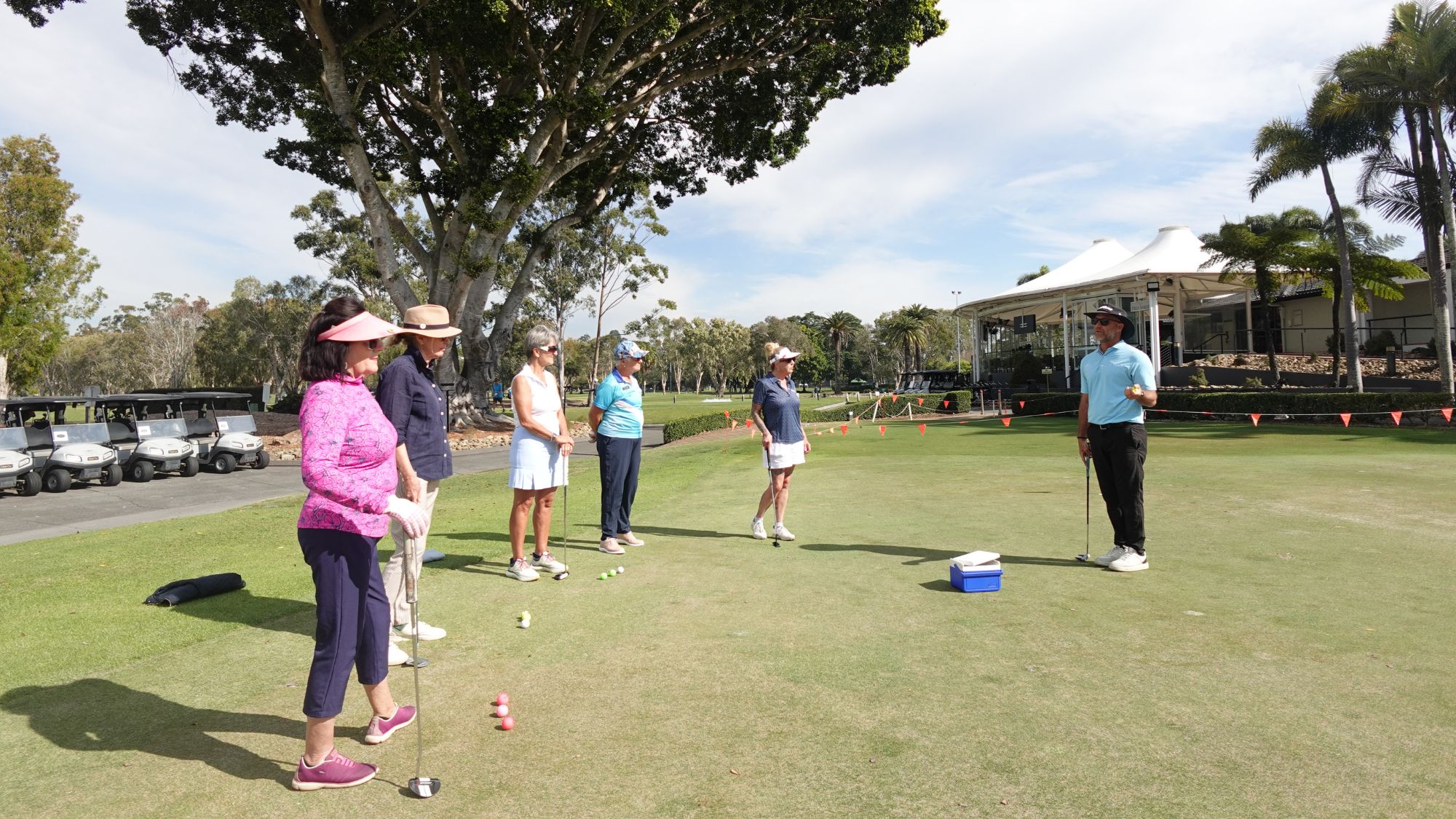
Putting, the most overlooked part of the game. FACT: The putter is the most used club in the bag. Approximately 30-36 strokes per 18 holes.
When I asked my fellow students what they hoped to gain from the experience, Tanya Gaudry shared how impactful the clinic had been for her: “I wanted to learn what clubs to use, how to practice, and what good drills look like. I’ve never really had formal coaching, and Loic identified exactly what I need to work on, which was fantastic.”
Tanya put that guidance straight into practice, earning the well-deserved title of Most Improved Player of the week.
I walked away with crucial breakthroughs of my own. I finally understand how to use my sand wedge properly, and I no longer fear pitching over a bunker because I know if I end up in the sand, I have the technique to get right back out.
I also know that I won’t wait three more years to return. See you in 2027.

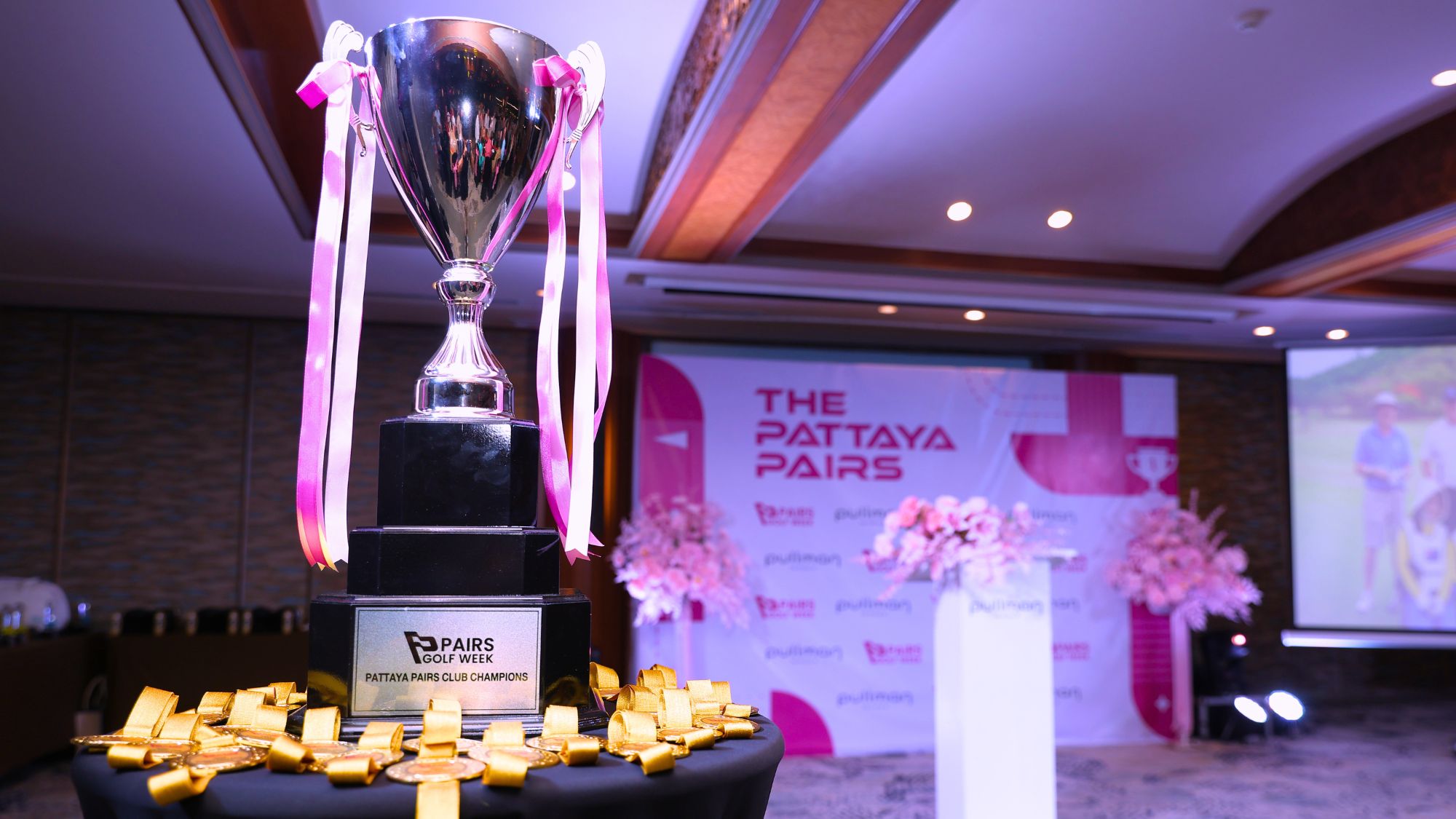
What happens when you swap the daily grind for honing your golf skills? For two couples, the answer was a transformative journey that took them from the sunny greens of the Gold Coast straight to the top of the leaderboard in Thailand—all thanks to Golf Journeys.
Finding Confidence at Golf School

For Western Australian locals, Naomi and Rance Dorrington, who had never attended a golf clinic, the decision to join the mixed golf school on the Gold Coast was about survival on the course. They considered themselves everyday hackers eager to improve. Meanwhile, Carol Kouwenhoven and her husband Patrick, found themselves with a sudden abundance of free time after their children left for university. Wanting to join her husband and their social circle on the course, Carol enrolled in the ladies’ beginner golf school.

Both couples attribute their breakthroughs to Golf Journeys coach, Loic Truet. “Loic is a brilliant coach,” says Rance, an amputee who had previously struggled to find the right instruction. “He transformed my bunker play. His tuition was worth its weight in gold.” Carol agreed, noting that Loic’s tailored, minor tweaks got her hitting consistently, providing enough confidence that she returned for an advanced school the following year.
The structure of the golf school involved dedicated morning drills followed by 9-hole afternoon rounds. It proved to be the ultimate formula for cementing new skills. Rance says that beyond the technique, it was a fantastic social experience, “one of the highlights was finishing the day off with a well-deserved G&T, with new friends and having a good laugh.”
Raising the Stakes in Pattaya

Armed with fresh skills and newfound confidence, both couples took their games international, booking the Pattaya Pairs with Golf Journeys. For Carol and Patrick, it was their first golf holiday. Carol says the organisation was seamless, “we had a dedicated trip app which removed all travel stress, which meant we could focus on the golf and enjoy the experience. The courses were next level, the caddies were incredibly welcoming, and we loved the vibrant culture of Thailand.”
The tournament format allowed for a thrilling atmosphere. Carol’s favourite day was the Ambrose round at Siam Country Club, “we enjoyed this format as it took the pressure off individual shots.” On other days, the Pairs Stableford worked perfectly for them, “when one of us had a blowout hole, the other stepped up to contribute,” Carol chuckled.
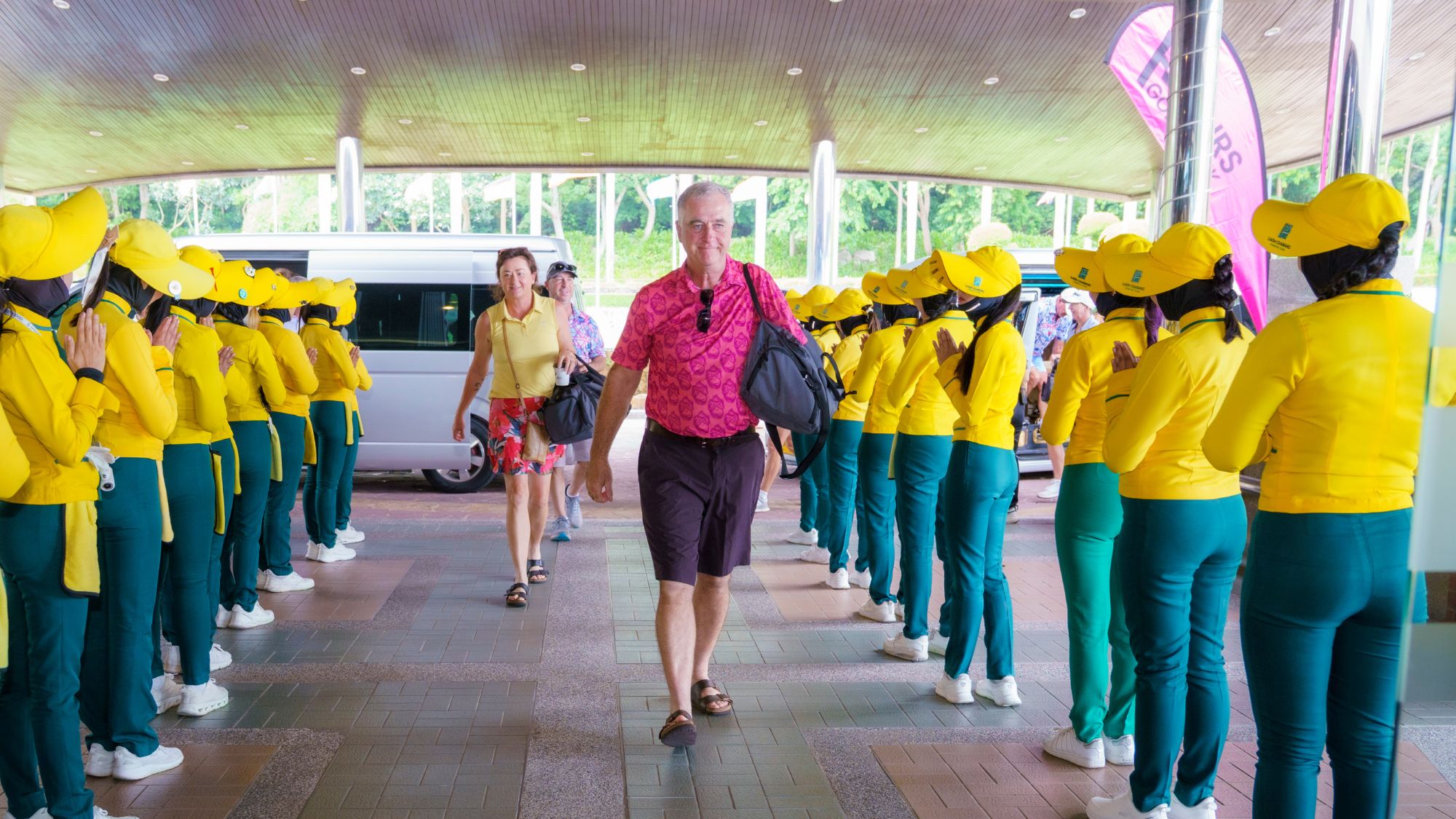
The Dorrington’s adopted a different, secret strategy to keep things lively. “We had our own little competition against each other,” Rance laughs. “But I can’t tell you what we were playing for, it wouldn't be appropriate for publication!”
A Friendly Battle for the Top Spot

As the week progressed, the leaderboard tightened into an exciting showdown between the two Golf Journeys School alumni. Carol and Patrick had played steady, handicap-matching golf all week, but on the final day, they slightly stumbled.
Carol says they didn’t play their best golf on the final day but managed to hold on to top spot. “We seemed to save our worse golf for the last day and could see them creeping up on our heels. Rance and Naomi played outstanding golf on that day! Luckily, we had a couple of good holes at the end which just kept us ahead overall, but they certainly won the day.”
Carol and Patrick Kouwenhoven won the Mixed Division with an overall score of 144 points, and closely on their tails were Rance and Naomi Dorrington with 143 points.
Ultimately, the real victory belonged to both couples. By investing in their games together, they discovered that golf travel isn't just about the final score, it's a win-win for improving skills, exploring the world, and strengthening relationships. Both couples are already eyeing their next bucket-list destinations.
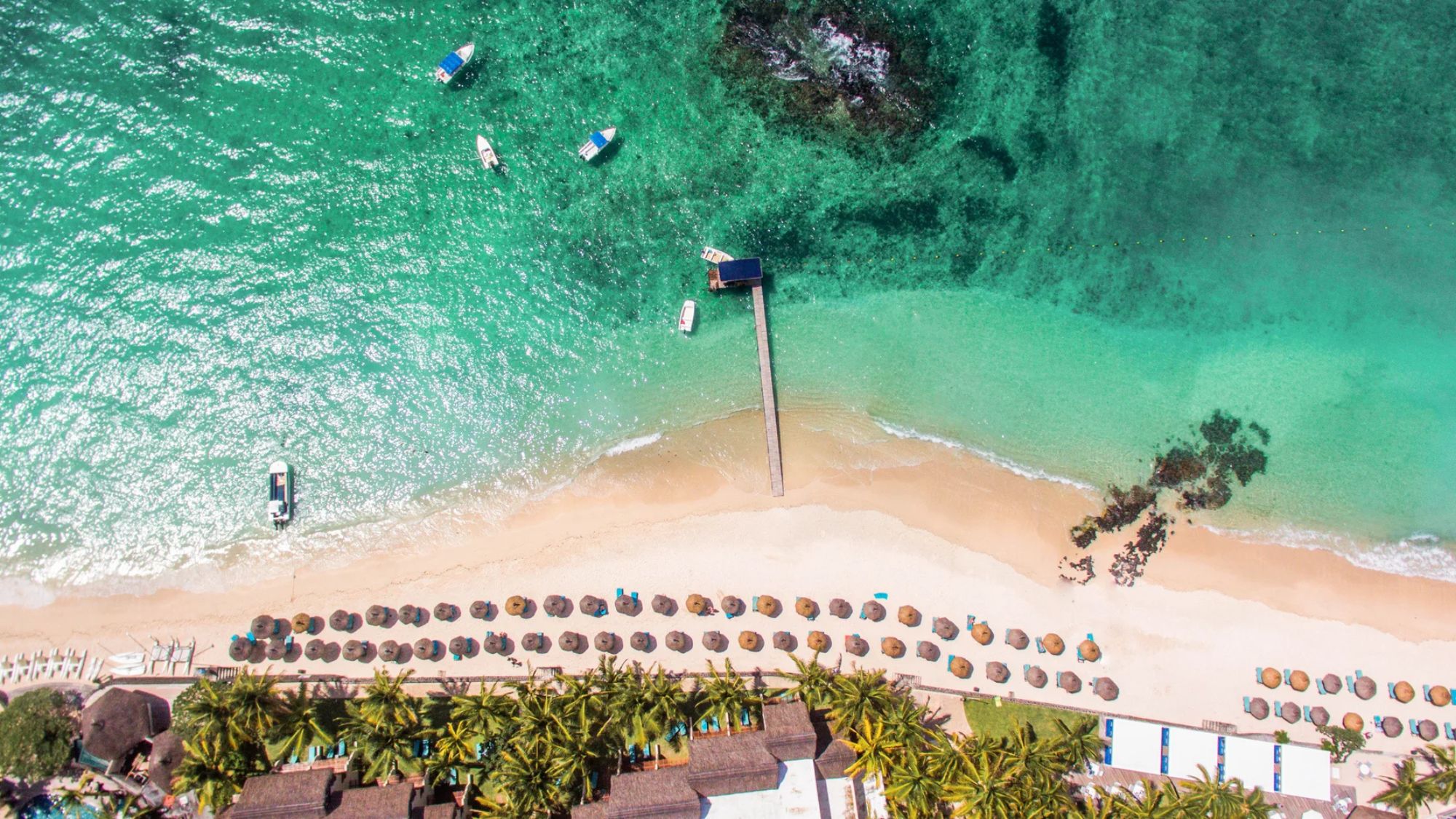
Mark Twain famously wrote, “You gather the idea Mauritius was made first, and then heaven.” The American writer penned this after his 1896 visit to this Indian Ocean gem. Over a century later, Twain’s observation remains undeniable, and the rest of the world is finally catching on to what might be the planet's most complete tropical sanctuary.
For the curious traveller, Mauritius offers a rare synthesis of luxury, culture, and dramatic topography, along with world-class golf courses. The island’s cultural tapestry is beautifully woven from Indian, French, Chinese, and African influences.
Golf Journeys has expanded its remote team around the world to unlock exclusive, insider access to this extraordinary destination. We welcomr to the team, local experts Isla and Valerie who have decades of experience between them in designing immersive itineraries for discerning adventurers. As we curate the ultimate golf tour, Isla and Valerie reveal their secrets to navigating a vibrant island where breathtaking landscapes, deep cultural heritage, and warm hospitality unite to create the journey of a lifetime.
The Fairways of Heaven
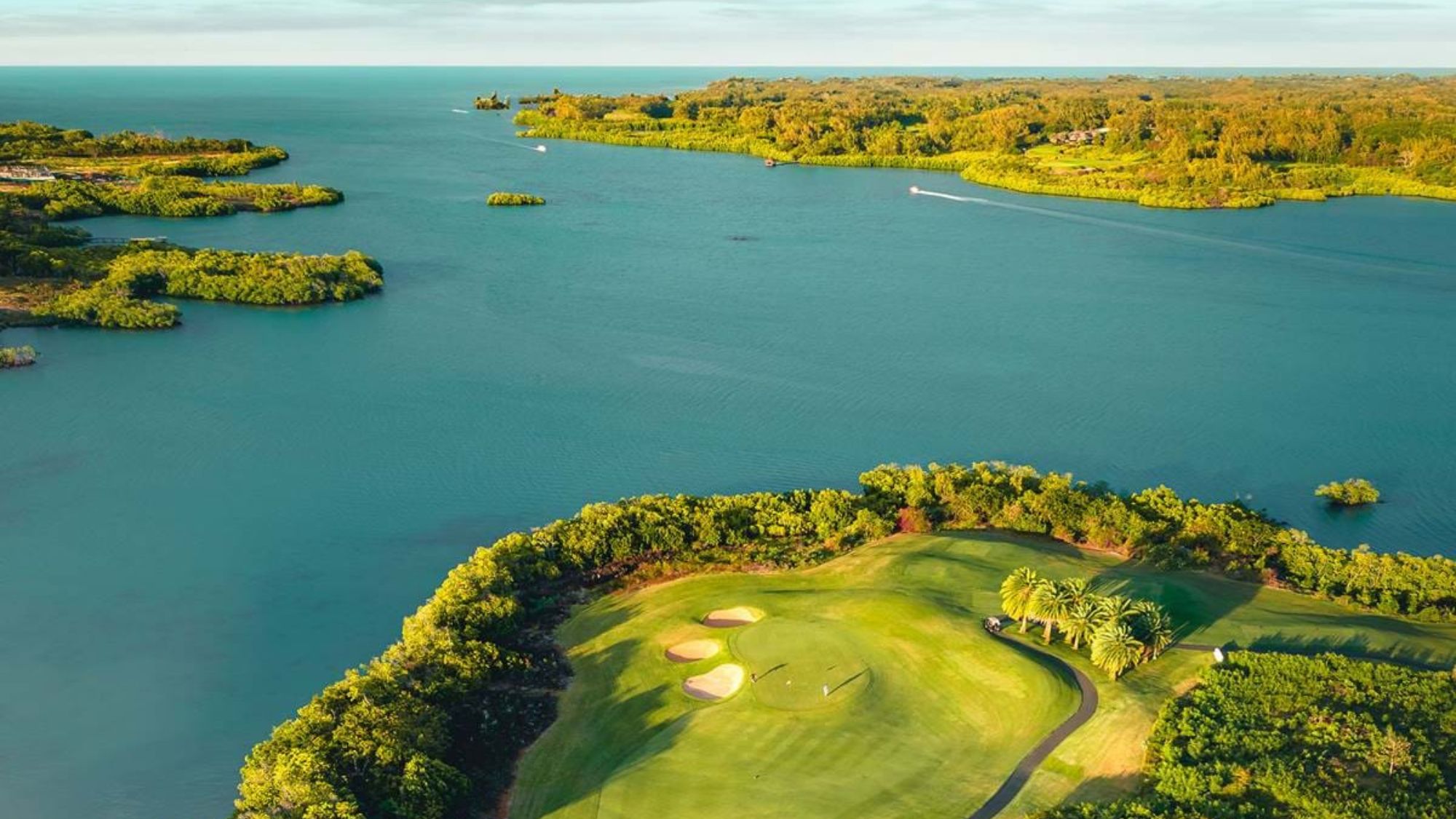
Nowhere is the natural grandeur of the country better realised than at Anahita, an Ernie Els masterpiece. Built over a one-time sugar plantation on the island’s scenic east coast, this championship layout is an architectural marvel. The challenging hole routings seamlessly move through exotic trees, wind past ancient stone walls, and hug the ocean’s edge.
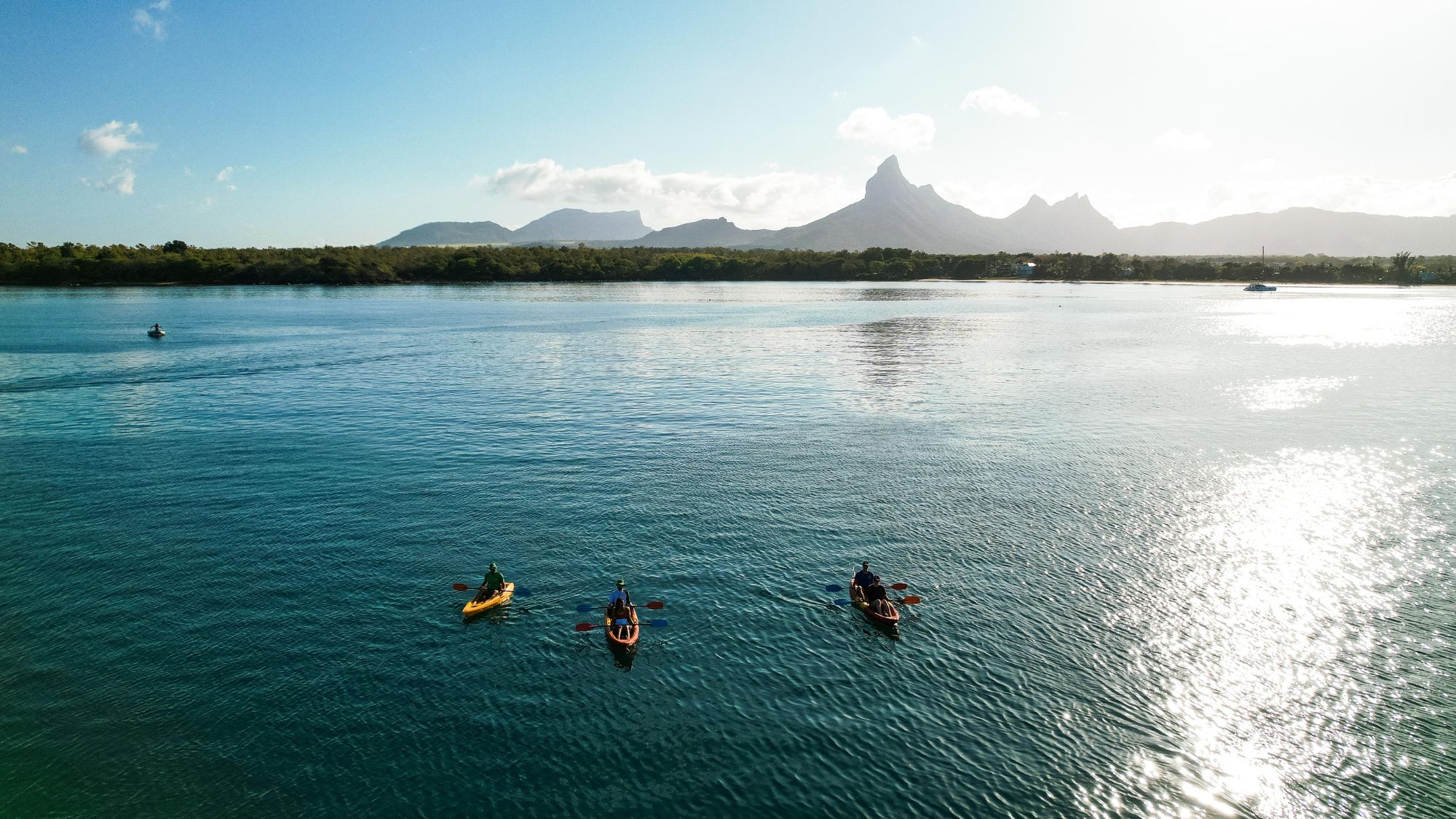
Beyond the pristine fairways, Mauritius transitions into a true water wonderland. Boasting 330 kilometres of spectacular coastline enveloped by coral reefs and 49 sparkling inlets, visitors can snorkel, paddleboard, kayak with dolphins, or float across more than 100 world-class diving sites.
Five Regions, Countless Secrets
Isla who grew up amid the sweet scent of sugar mills and blooming cane fields, notes that Mauritius is far more than a typical tropical escape, “It is a vibrant tapestry of cultures where the depth of history and the genuine warmth of the people create a soulful experience.” To truly understand it, you must explore its five distinct regions.
Valerie, who was raised in Curepipe on the Central Plateau, remembers a childhood of cooler temperatures, misty mornings, and a completely different world from the coast. "Our Sunday family trips to the beach by bus were magical," Valerie recalls. "The journey from the cool highlands down to the coast transformed from forests to palm trees, revealing that first thrilling glimpse of the sea."
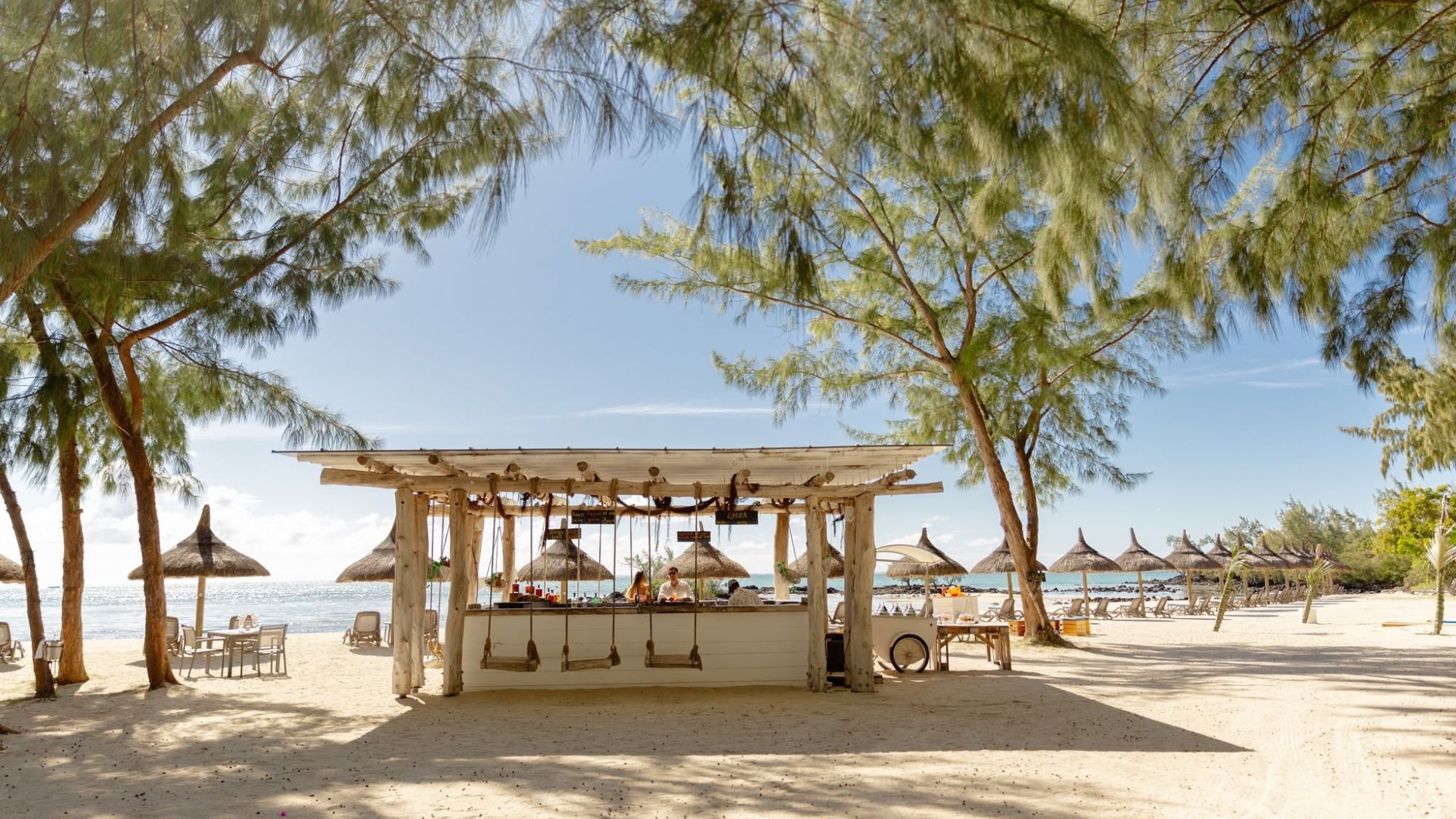
The other four regions offer equally distinct flavours:
- The North: Pulses with energy and nightlife in Grand Baie, a favourite weekend spot for locals, and features the iconic red-roofed church at Cap Malheureux.
- The East: Home to championship golf courses, promises quiet, luxury escapes along long, white, peaceful beaches where trade winds blow and the incredible shades of blue look almost unreal.
- The South: Mauritius in its rawest form—a wild, rugged coastline with dramatic cliffs where the Indian Ocean crashes against the rocks, hiding waterfalls, forests, and tea plantations.
- The West: Enjoys the warmest weather, offering romantic sunsets, calm lagoons perfect for dolphin watching, and the proud silhouette of Le Morne Brabant in the background.
A Paradise for the Senses
Mauritians are incredibly passionate about food, and some of the island's best meals are enjoyed standing on a street corner alongside the locals. You haven’t truly visited until you’ve stood by a roadside stall eating a hot Dholl Puri—the undisputed king of street food. Both Isla and Valerie champion this national dish: a soft, thin flatbread filled with finely ground yellow split peas, stuffed with savory butter bean curry, tomato chutney, and spicy chili paste.
For a sweet afternoon treat, pair a warm local coffee with a traditional napolitaine shortbread at a beachfront café overlooking the lagoon. Later, seek out a Table d’Hôte experience. This hidden gem allows visitors to be welcomed into a local home to share an authentic, home-cooked meal with a Mauritian family, exchanging stories and traditions across the dinner table.
As the sun dips, Isla recommends a visit to a public beach to enjoy the rhythmic beats of Sega music, sharing a picnic of gateaux piments (chili bites) and a cold Phoenix beer.
Vistas, Heritage, and Island Character
For panoramic vistas, hike Le Pouce Mountain for a rewarding view over the capital, or tackle Valerie's favourite trek: Le Morne Brabant. "It is a journey through one of our most iconic landscapes," Valerie says. "At the summit, you’re rewarded with unforgettable views, but it also carries a powerful historical significance that combines adventure with heritage."
Wrap up your journey at the bustling Port Louis Central Market to score beautiful souvenirs. The market is full of colour, energy, and local character. Both ladies recommend bringing home locally made woven baskets and bags, cashmere and pashmina scarves, handcrafted jewellery, vanilla tea, artisanal rum, Mauritian spices, and handmade soaps infused with frangipani or coconut.
Isla highlights that before leaving, you'll surely notice the island's unique road etiquette. As the old local joke goes: "We don't drive on the left, and we don't drive on the right—we drive in the middle, and we’ve been doing it that way since Independence!"
Yet no matter what the roads or the days bring, the local perspective remains beautifully captured by Isla’s favourite Creole phrase: Manze ar li:” Hold your ground, stay courageous, and persevere through the thick of it. “ This could definitely be useful on the back nine at Anahita Golf Course.
Snapshot History: The Dutch established the first small colony here in 1638, naming the island after Prince Maurice of Nassau. Abandoned in 1710, the French took control in 1715, renaming it Île de France. The British later captured it in 1810 during the Napoleonic Wars. Mauritius finally achieved independence in 1968, yielding today’s multilingual society fluent in English, French, and Mauritian Creole.
Phrases for the Fairway & Beyond
- Alo – Hello
- Extra bon – It’s super good!
- Tou korek! – Everything is good! All is fine.
- No problem: Because everything 'is possible' for Mauritians - they go out of their way to please their guests and visitors.
Golf Journeys, have crafted the ultimate Mauritius escape in May 2027. This tour will sell out fast, so don’t sip too slowly on your Ti’ Punch cocktail; enquire about it now.
"Tap into your inner child and seek that senseof adventure."
It got me thinking: when was the last time you really felt like a child in a lolly shop?
Growing up on the Gold Coast, my sister and I used to stop by the local milk bar on our way home from school. She would buy a Golden Rough and I would treat myself to a Mint Pattie—for the bargain price often cents each. It was a small treat that delivered maximum joy.
Maybe it’s time we apply that exact excitement to how we holiday. At Golf Journeys, we believe golf should never be a passive sport. It's time to combine your absolute favourite hobby with rockstar locations, vibrant culture, and like-minded travellers.
Few experiences rival the thrill of arriving somewhere entirely unfamiliar, clubs in tow, with no idea what awaits beyond the first tee. We are trading the predictable for the extraordinary. Here are three legendary destinations where golf transforms from a standard round into a full-blown expedition.
1. Kenya: The Untamed Wildlife Safari

Kenya delivers a wild reality that no golf simulator could ever replicate. Imagine lining up a crucial birdie putt while zebras meander past the green. The courses around Nairobi combine world-class, championship conditioning with raw, untamed scenery that will stop you deadmid-swing. This is an extraordinary fusion of culture, raw nature, and world-class golf.
- The Highlights: Our special-edition Kenya Golf Safari Tour is built for golfers ready to live the landscape rather than just play it. With local caddies sharing their wisdom, you'll navigate the fairways with ease.
- The X-Factor: We have secured authentic African accommodation during one of the natural world’s greatest spectacles: the Great Migration. The daily safari drives will leave you with a profound sense of wonder as you get up close and personal with the animal kingdom.
2. China: The Volcanic Wonderland

If you want grand scale and dramatic ambition, we take you straight to Hainan Island—the tropical paradise known as the "Hawaii of China." Here, the legendary Mission Hills Haikou echoes across the golfing universe, boasting more than 22championship courses sculpted from ancient landscapes shaped by prehistoric volcanoes. You will stand on emerald fairways bordered by stark black-rock ridges, steaming hot springs, and endless tropical horizons.
- The Journey: On this immersive 9-day itinerary, you’ll tackle Asia’s largest, most visually striking golf complex before moving to the breathtaking Shenzhou Peninsula, where coastal holes glide directly toward golden sands as the ocean glows at sunrise.
- Off the Course: The cultural immersion is just as high-octane. Expect buzzing city energy, traditional tea ceremonies, and curated island dining. It’s an artistically designed passage through the most imaginative golf terrain on Earth.
3. New Zealand: The Epic Playground

For those whose inner child demands pure, unadulterated adrenaline, New Zealand is the ultimate playground. Our base camp is the picturesque, high-energy town of Queenstown and the alpine landscapes surrounding Lake Wanaka. The golf here is spectacular, carved directly into glacial valleys and set against sharp, snow-capped peaks.
- Beef up your Bucket List: The real excitement kicks in when you swap your clubs for a different kind of adventure. The options are endless: a majestic boat cruise across Lake Wanaka, pristine walking trails around the Botanic Gardens, and a jaw-dropping excursion to the sheer cliffs of Milford Sound.
- The Wind-Down: Celebrate your rounds with long lunches in the heart of Central Otago's Pinot Noir country and the historic gold-mining town of Arrowtown.
The Best Round of Your Life Awaits
Golf will always be the glorious centrepiece of what we do, but at Golf Journeys, we want to transport you in ways that tap directly into your adventurous, kindred spirit.
Pack your Golden Rough and your Mint Pattie, bringan open mind, and let the world surprise you. The best round of your life iswaiting on another continent.
Are you ready to tee off?

I recently returned from my first hosting role with Golf Journeys, having been gifted the envious task of guiding twenty guests through the soul-stirring landscapes of South Africa. Our itinerary was a golfer’s dream: teeing off at premier courses and wandering through the lush, rolling vineyards of the Rainbow Nation’s finest wine regions. It is, as they say, a "tough gig," but someone has to do it. However, beneath the serenity of the fairways and the richness of the Pinotage, I walked away with a lesson that far outshines the scenery: it is the smallest gestures that carry the heaviest weight.

On our opening night, the atmosphere was a mixture of excitement and trepidation as our guests gathered to meet each other. We were enjoying welcome drinks when an impromptu salsa class began in the hotel bar. Without hesitation, excited guests, Michelle Harrison and Belinda Doff, joined the lesson. It set the scene, signalling that while golf was the centrepiece, we were on par for a memorable few weeks.
It occurred to me then that people rarely book these tours solely for the sport. For many, a journey across the world is a pleasant distraction from the complexities of home. Some are navigating health challenges, others are walking through the quiet halls of grief or simply seeking a reprieve from the relentless hum of daily existence. As a host, you realise that you aren't just managing tee times, you are managing expectations and emotions.
Let the competition begin!
On day one, nothing breaks the ice quite like a culinary challenge. In the heart of Cape Town, we traded golf clubs for kitchen knives, tasking our guests with crafting the perfect local curry.
Split into two teams, we chopped, sauteed, and seasoned our way toward the finish line. It was a fantastic afternoon that revealed a simple truth, whether they’re on the green or in the kitchen, these golfers have a healthy appetite for fun.

In the lead up to the tour, we established a WhatsApp group. It’s a logistical tool used to communicate essential details, like the precise hour to meet at the bar for a post-round sundowner. But in reality, it becomes the digital heartbeat of the group, a place for shared photos, inside jokes, and encouragement.
I soon realised that I had an extraordinary group, who were high on life. So, I asked our guests to give our South African cohort a title. The winning entry, coined by the wonderful Viv Bamford, was the “PAR-TEE CREW 2026.” It was perfectly apt. This group was exuberant, adventurous, and possessed an "up-for-anything" attitude that transcended the scorecard.
Many Hats of a Host
A host’s wardrobe is full of invisible hats. One hour you are a logistics coordinator, the next an entertainment guru, and even a part-time psychologist. But perhaps the most vital role is that of the "fixer."
When Delta lost Jay Sorensen’s luggage, the stress was palpable. Two days without your belongings in a foreign country can sour even the most beautiful sunset. When the airline stopped responding and phones at the lost luggage counter rang out, we didn't wait for a system to fix itself. We drove to the airport, navigated the backrooms, and hunted that bag down ourselves. Seeing Jay’s relief as he changed into a fresh outfit for the evening was a reminder that "customer service" is often just a fancy word for empathy in action.
It goes both ways, these kind gestures. Golf as we know can be frustrating, and the mind games can be crippling. I seem to have a habit of standing on the tee box and fixating on the hazards. This was the case at the very picturesque but challenging course, De Zalze in Stellenbosch. It was the signature 9th hole. A treacherous par-three, with water hazards along the front and right side of the green, and a bunker on the left to catch shots from players trying to avoid the water.
My playing partner was Rhonda Steller, and her husband, Mark, was our voice of encouragement on these tricky holes. He told me to pick a target, pretend the hazards were not there and trust in my club selection.
It paid off. I birdied the hole, and Mark captured it on camera. A small gesture, that became a big moment I will treasure forever. For the remainder of the tour he was affectionately called, ‘Coach Steller.’

Let’s eat cake!
The pinnacle of the trip wasn't a hole-in-one or a vintage wine, it was a birthday cake. On our final night at Henry White’s restaurant, our overall winner, Greg Thorpe, also happened to be celebrating a birthday. The magic happened when the entire restaurant staff paused their service, walked into our private gathering, and sang with a soulfulness that filled the room.
It was a small thing, a song and a sway, but it was monumental in feeling. In that moment, twenty golf enthusiasts who had met just 10 days earlier, danced and sang together as a family. As I prepare for my upcoming tours, I carry these memories with me. I’ve learned that while the courses and the destinations are the main attraction, it’s the small, intentional gestures that stay with our guests long after the flight home.


Noosa: Five-Star All the Way
I recently had dinner with a friend who dropped a piece of wisdom that stopped my fork mid-air. “It’s not the years in your life that count,” he said, leaning back with a satisfied smile, “it’s the life in your years.” He eventually confessed he was quoting Abraham Lincoln, but the sentiment stuck with me long after the bill was paid.
If you’re planning a Noosa getaway, this guide covers where to stay in Noosa, the best things to do in Noosa, standout dining, and the top golf courses near Noosa on the Sunshine Coast — the kind of trip that feels five-star in more ways than one.
In a world that feels increasingly rushed, we shouldn’t be wasting our precious time on “filler” experiences. Don’t finish that boring book just because you started it. Don’t watch a mediocre movie. And most importantly, never spend your hard-earned cash in a destination that doesn’t tick every single one of your boxes. If we’re going to make our travel count, we need to seek out the “five-star” experiences — not just in terms of luxury, but in terms of soul, quality, and vibrance.
When it comes to the gold standard of Australian travel, one name consistently rises to the top: Noosa.
Quick Picks: Noosa at a Glance
- Best base: Hastings Street (walkable, beachside, iconic Noosa energy)
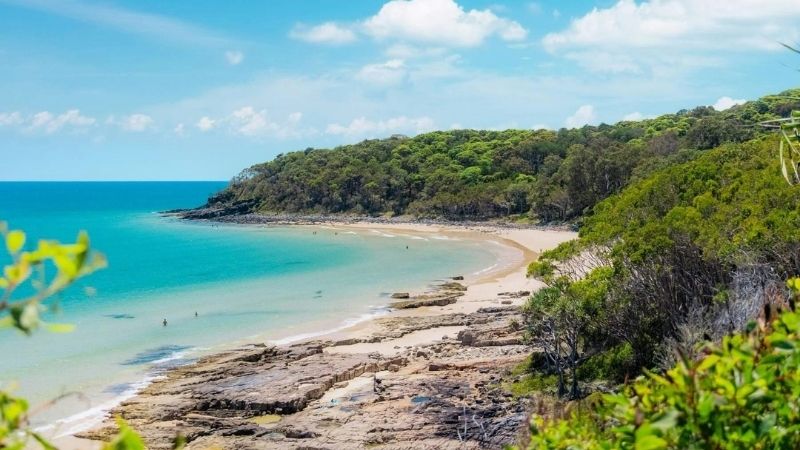
- Best nature fix: Noosa National Park coastal tracks (Tea Tree Bay is a must)
- Best long lunch: Spirit House
- Best golf day: Twin Waters or Palmer Coolum
Where to Stay in Noosa for a Five-Star Escape
To make travel count, where you lay your head matters. Noosa has long been a bastion of luxury, and there’s a fresh energy in town. While there’s no shortage of impeccable service and poolside elegance around Hastings Street, the accommodation scene now feels even more refined — sleeker, calmer, and quietly confident.
When you’re booking Noosa accommodation, think beyond a pretty lobby. Look for the kind of stay that makes everything effortless: a location that keeps you close to the beach and restaurants, a space that feels like a retreat (not just a room), and service that’s polished without being precious.
Because in Noosa, the best stays don’t just give you somewhere to sleep — they set the tone for the entire trip.
Things to Do in Noosa: Beaches, National Park and Boutique Shopping
What truly elevates Noosa to five-star status is its commitment to the environment. Often discussed as part of the wider UNESCO-listed Sunshine Coast Biosphere region, this corner of Queensland has managed to keep nature at the centre of the experience — not pushed to the edges.
The low-rise character is a big part of the magic. Without a skyline of concrete towers, Noosa has preserved a relaxed, almost village-like atmosphere where the trees are often taller than the buildings. It’s polished, yes — but never overwhelmed.
Spend your morning hiking the coastal trails of Noosa National Park, watching dolphins play in the surf at Tea Tree Bay, then wander back towards Hastings Street for a designer shopping spree by noon. It’s that rare place where you can do “wild coastline” and “high-end indulgence” in the same day — and it doesn’t feel like a contradiction.
In Noosa, “beach chic” isn’t just a dress code. It’s the local DNA.
Best Restaurants in Noosa for Food Lovers
If you’re rating your life by the quality of your meals, Noosa is off the charts. The restaurant scene across Hastings Street and Noosaville is so diverse you could dine on a different global cuisine every night for a month — and still have a list of places you didn’t get to.
While there are many contenders for the crown, Spirit House remains a must-visit. Tucked into a lush tropical setting that feels like a hidden Thai temple, it’s the kind of place that makes a long lunch feel like an event. The atmosphere is transportive, the flavours are layered, and the whole experience leans into Noosa’s signature style: indulgent, but never overdone.
And it’s not only about one hero venue. From aromatic spices inspired by the hinterland to fresh-caught seafood served overlooking the Noosa River, the culinary scene is part of what makes this destination feel truly premium.
Tip: if you’re travelling in peak season, book ahead. In Noosa, the best tables don’t sit empty for long.
Best Golf Courses Near Noosa (Sunshine Coast)
For many travellers, “making it count” involves a perfect green and a well-weighted putter. Noosa and the Sunshine Coast deliver a true grand tour for golfers, with courses that balance scenery, strategy, and serious playability. If you’re searching for golf near Noosa or the best Sunshine Coast golf courses, you’re spoiled for choice.
Noosa Springs
This is the epitome of resort golf. Carved out of Noosa bushland, the course is wrapped in lush greenery and spring-fed lakes. It’s as much a nature walk as it is a round — though the tight fairways demand focus. Bring your A-game, and stay present. This one rewards patience.
Twin Waters
Designed by Peter Thomson and Mike Wolveridge, Twin Waters is a links-style course with genuine strategic bite. The setting is gorgeous and the layout is fair, but it asks you to think your way around — ideal for golfers who love the mental side of the game as much as the swing.
Palmer Coolum
Formerly the home of the Australian PGA Championship, Palmer Coolum has championship pedigree in its soil. It’s a big, bold course that doesn’t apologise for its scale, framed by the unmistakable presence of Mount Coolum. When you walk off 18, you’ll feel like you’ve earned it.
Maroochy River
One of the newer stars in the region, Maroochy River delivers a modern, open layout with beautiful hinterland views. The practice facilities are excellent, and the all-grass range is a standout for anyone keen to sharpen their game while on holiday. It’s a favourite for good reason.
Why It Matters
We often fall into the trap of “saving” our best selves for a future date. We take “okay” holidays because they’re easy, or stay in “average” hotels because they’re available. But if Lincoln was right — if the “life in your years” is the true metric of success — then we owe it to ourselves to choose destinations that inspire us.
Noosa earns its reputation because it refuses to compromise. It offers the golden beaches and turquoise water of a tropical island, the shopping of a cosmopolitan city, the food of a global capital, and the soul of a small coastal town — all wrapped into one effortlessly stylish place.
Whether you’re cruising the Noosa River at sunset, exploring the artisanal boutiques of the hinterland, or sinking a birdie putt at Twin Waters, you’re doing more than just “taking a break”. You’re investing in the quality of your life.
Stop reading the boring books. Stop visiting the mediocre towns. Head to Noosa, where the hospitality is warm, the environment is pristine, and every moment is five-star.
After all, you’ve only got so much life in your years — make sure you spend it somewhere that counts.

Why Golf in Thailand Is an Experience, Not Just a Round
There are places where golf is something you play.
And then there’s Thailand—where golf is something you experience.
From the moment you arrive, there’s a sense that the day is going to unfold differently. Nobody’s rushing you. Nobody’s barking instructions. Everything feels considered, calm, and quietly welcoming. It’s the kind of atmosphere that encourages you to slow down, take a breath, and actually enjoy where you are.
It’s a very Thai way of doing things.
Caddies Who Look After You, Not Just Your Game
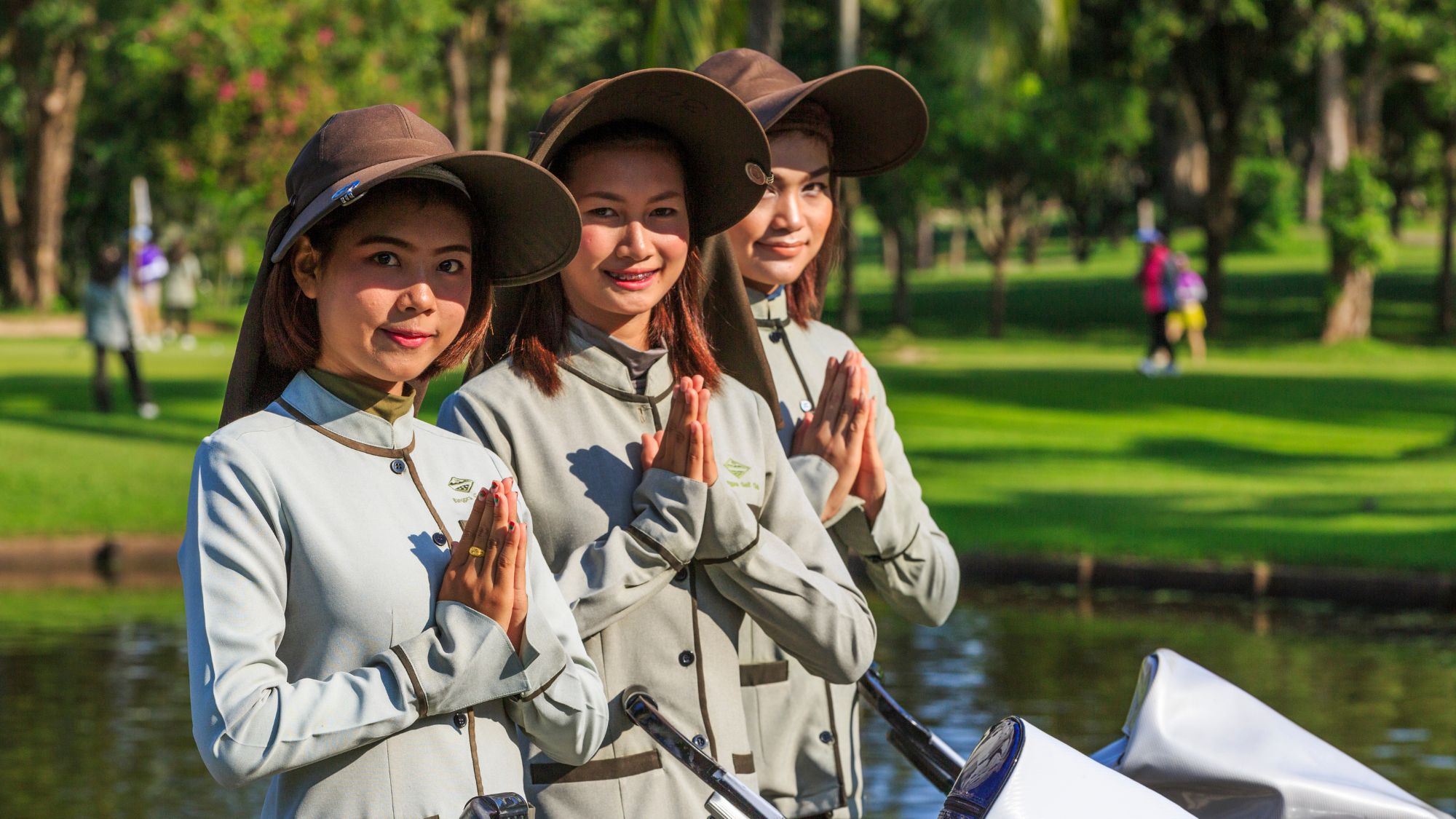
Thai caddies aren’t your typical caddies.
They’re not there to impress you with swing theory. Instead, they focus on something far more important—you.
They’ll make sure your drink is always topped up. Hand you a cold towel before you realise you need one. Gently guide you through the day with encouragement, patience, and the kind of calm presence that makes even a bad hole feel… manageable.
In Scotland or Ireland, a caddie might offer brilliant course knowledge—but they’re unlikely to quietly check if you’re hydrated or smiling. In Thailand, that attentiveness comes naturally. It’s not showy. It’s not forced. It’s just how hospitality is done here.
Clubhouses That Feel More Like Five-Star Hotels
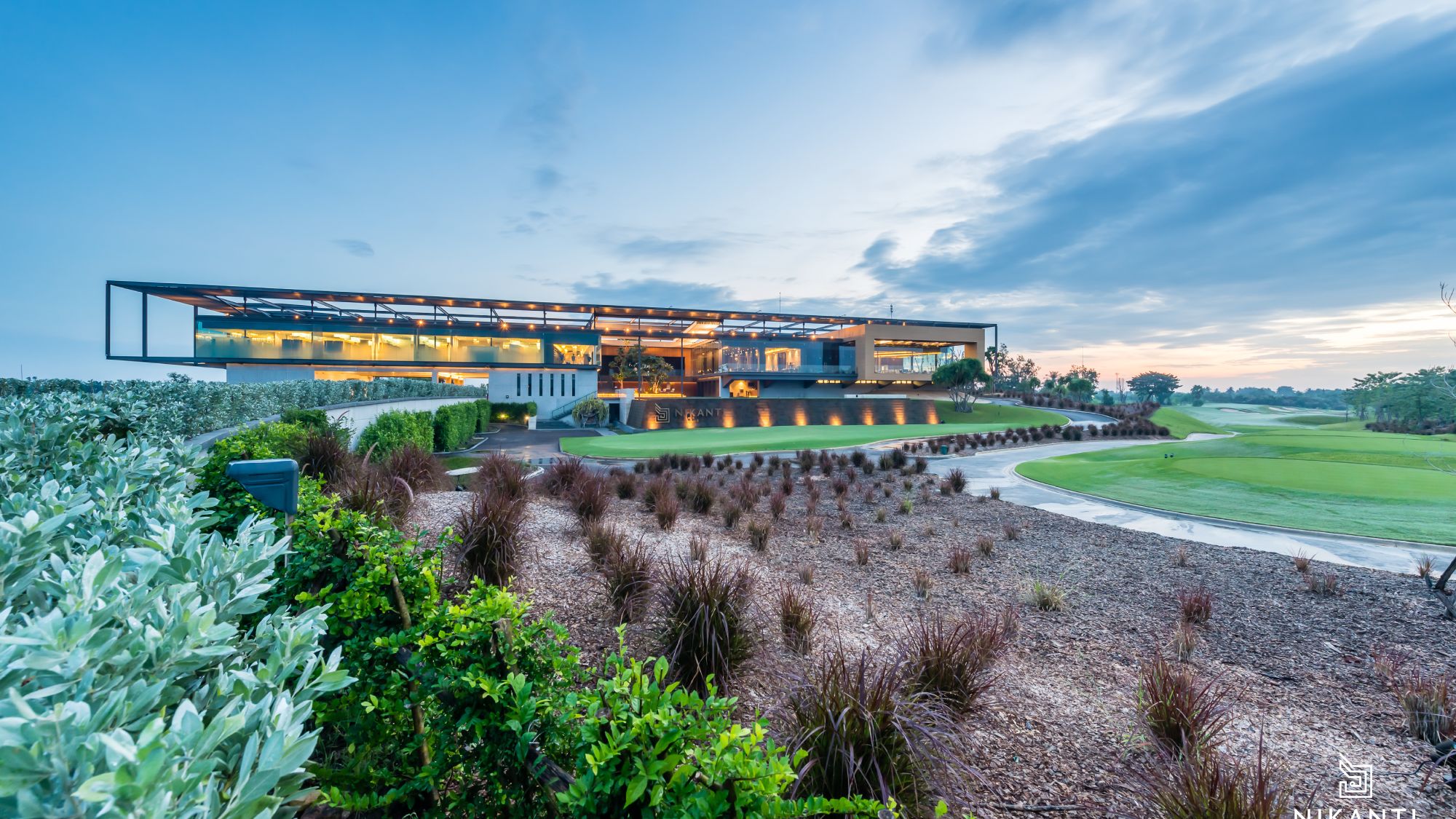
Then there’s the arrival experience.
Locker rooms that feel closer to a luxury spa than a change room. Reception areas that wouldn’t look out of place in a five-star hotel. Staff who greet you with warmth and ease, making you feel less like a customer and more like a welcomed guest.
Out on the course, the thoughtfulness continues. Every few holes there’s a kiosk—perfectly timed—for something cold to drink, something to eat, or a quick pause to enjoy the moment. You’re never rushed. You’re never left wanting.
Someone has clearly thought through the entire day, start to finish.
A Member for the Day
Some courses take this philosophy to its logical conclusion.
At places like Nikanti, the message is simple: today, you’re one of us.
Use the locker rooms.
Use the spa.
Warm up with complimentary range balls.
And when hunger strikes? Eat as much as you like — breakfast, lunch, even dinner. It’s all included, and that all-inclusive hospitality removes every bit of friction from the day, letting you focus on what you came for: enjoying the experience.
It’s not about excess—it’s about care.
Learning to Play (and Live) a Little Slower
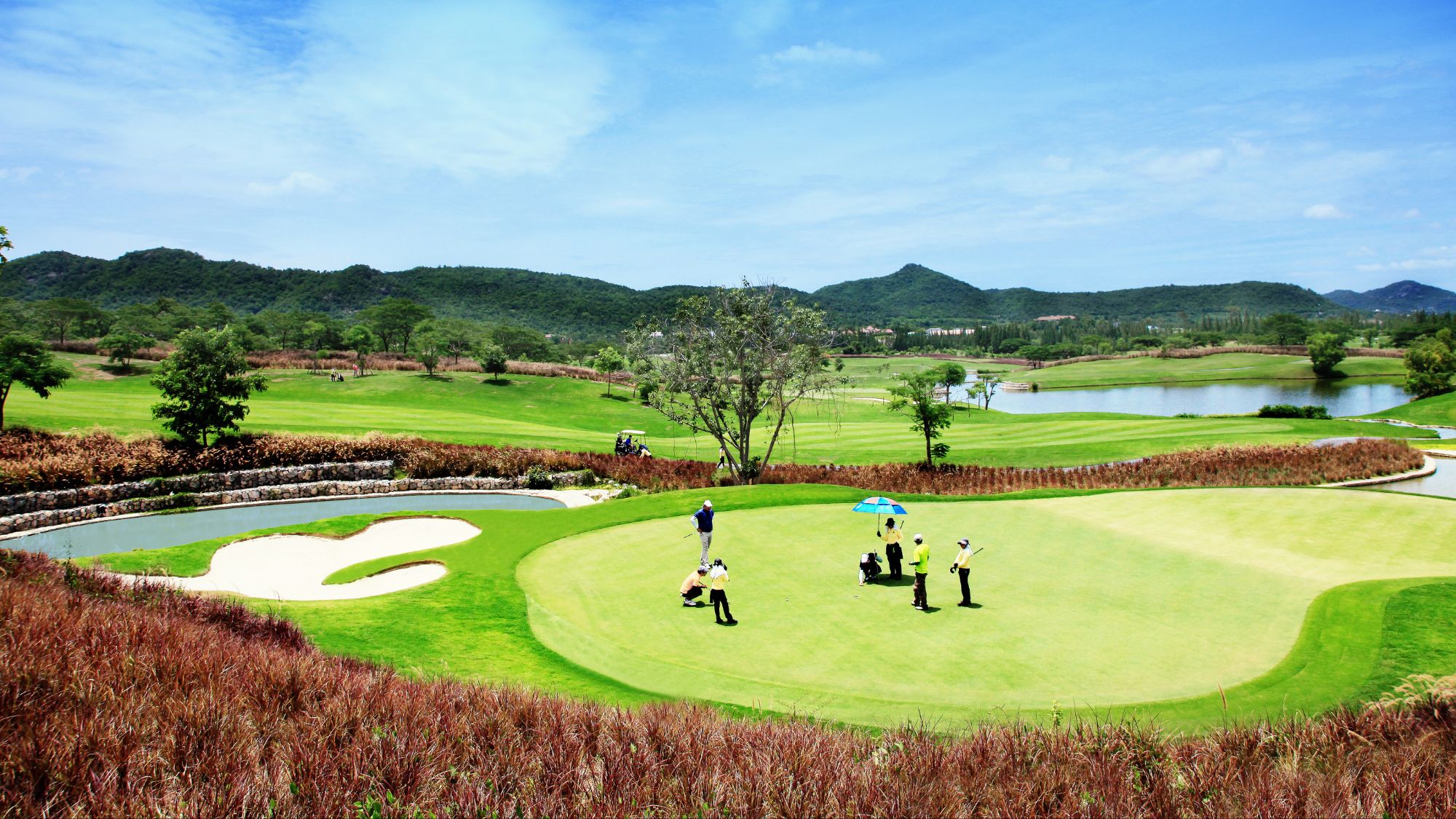
The real magic of golf in Thailand isn’t just the facilities or the value—it’s the pace.
Thais have an uncanny ability to remind you that slowing down doesn’t mean doing less. It means doing things with intention. Conversations last longer. Meals are enjoyed, not rushed. Rounds flow without stress or ego.
Somewhere between the first tee and the final green, you realise you’re thinking more clearly. Smiling more easily. Letting go of things that don’t really matter.
That gentle nod toward presence—the quiet respect for the moment—is woven into everything. You don’t need it explained. You feel it.
Golfing In Thailand
Golf in Thailand leaves an impression that goes beyond scorecards and souvenirs.
It’s the way you’re looked after without being fussed over. The way the day unfolds naturally. The way you leave feeling lighter than when you arrived.
That’s the Thai wai of life—not as a gesture, but as an experience.
And once you’ve played golf this way, it’s hard not to wish more of life felt the same.
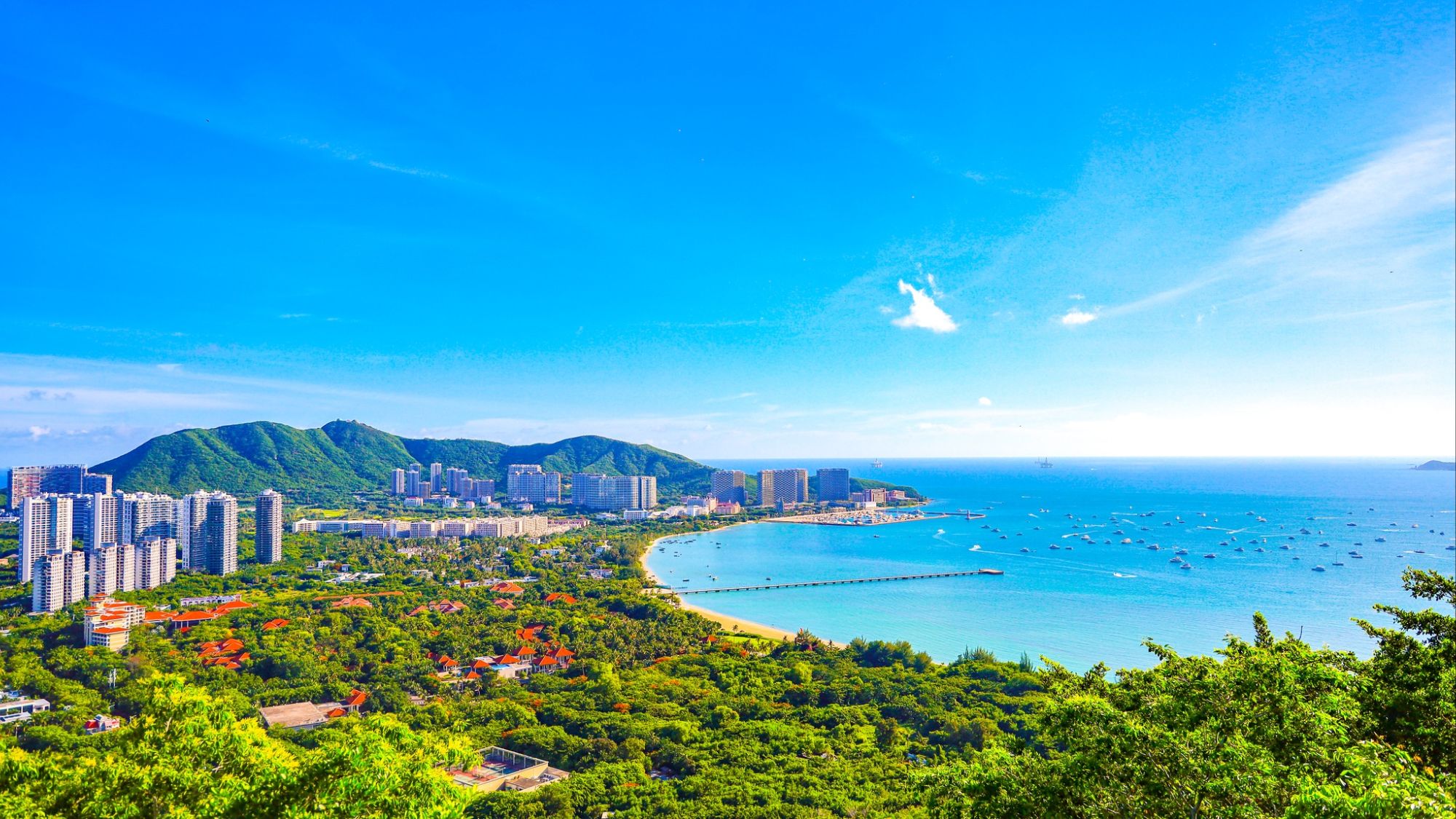
If you’ve chased the perfect round, you’ve imagined a land where volcanic drama meets beachside calm, where fairways wind through ancient lava flows, and where every hole seems to tell a story. Hainan Island—often hailed as the “Hawaii of China”—delivers that story in bold, unforgettable chapters. This is a place where championship pedigree meets tropical escape, where world-class courses across the island tempt you to play and chase your personal best. Here’s your bucket-list guide to five standout layouts that define Hainan—and five signature holes that will stay with you long after you’ve left the island.
1. Sandbelt Trails (Mission Hills Haikou) (inspiration: Melbourne’s Sandbelt) — No. 1 on the list, a course that feels like a bold invitation to creativity.

Why it belongs here: Sandbelt Trails captures the essence of traditional, strategy-first golf with generous fairways and boldly sculpted bunkers that demand smart thinking. It’s the kind of course that rewards your plan as much as your swing, where subtle slopes and edge-of-the-green awareness matter just as much as power.
Signature hole: The par-4 7th. A wide approach opens with a forgiving tee shot, but the run-up to the green is a chessboard of risk-reward features: a perched, front-left bunker guarding a shallow plan, heavy mounding on the right, and a green that tilts away. You’ll feel the game slow down as you choose your line, then let your short game decide your score.
What to love: The feeling of a climate-tested classic, with wide, confident fairways, strategic bunkers, and a rhythm that invites creative shot-making. It’s a course that makes you think—and that’s a big part of the mission.
2. Lava Fields (Mission Hills Haikou) — A visually dramatic masterpiece where black rock meets emerald fairways.

Why it belongs here: If you’re chasing dramatic scenery that becomes part of the challenge, Lava Fields is your stage. The course winds through lava-carved ridges, black volcanic rock popping against lush greens, and greenside textures that test your touch. It’s a course that looks like a painting and plays like a course designer’s bold statement.
Signature hole: The par-3 3rd, perched above a ribbon of lava rock with a green tucked into a natural bowl. The wind off the coast changes everything, making club choice feel like a negotiation with the environment. One bold tee shot, one precise iron, and a moment to absorb the surreal backdrop.
What to love: The contrast—black rock against green, natural barriers that are also artistic features, and a sense that every hole is a new, epic photo moment. It’s golf at its spectacular best.
3. The Vintage (Mission Hills Haikou) — A stroll back to golf’s classic era with natural contours and traditional bunkering.
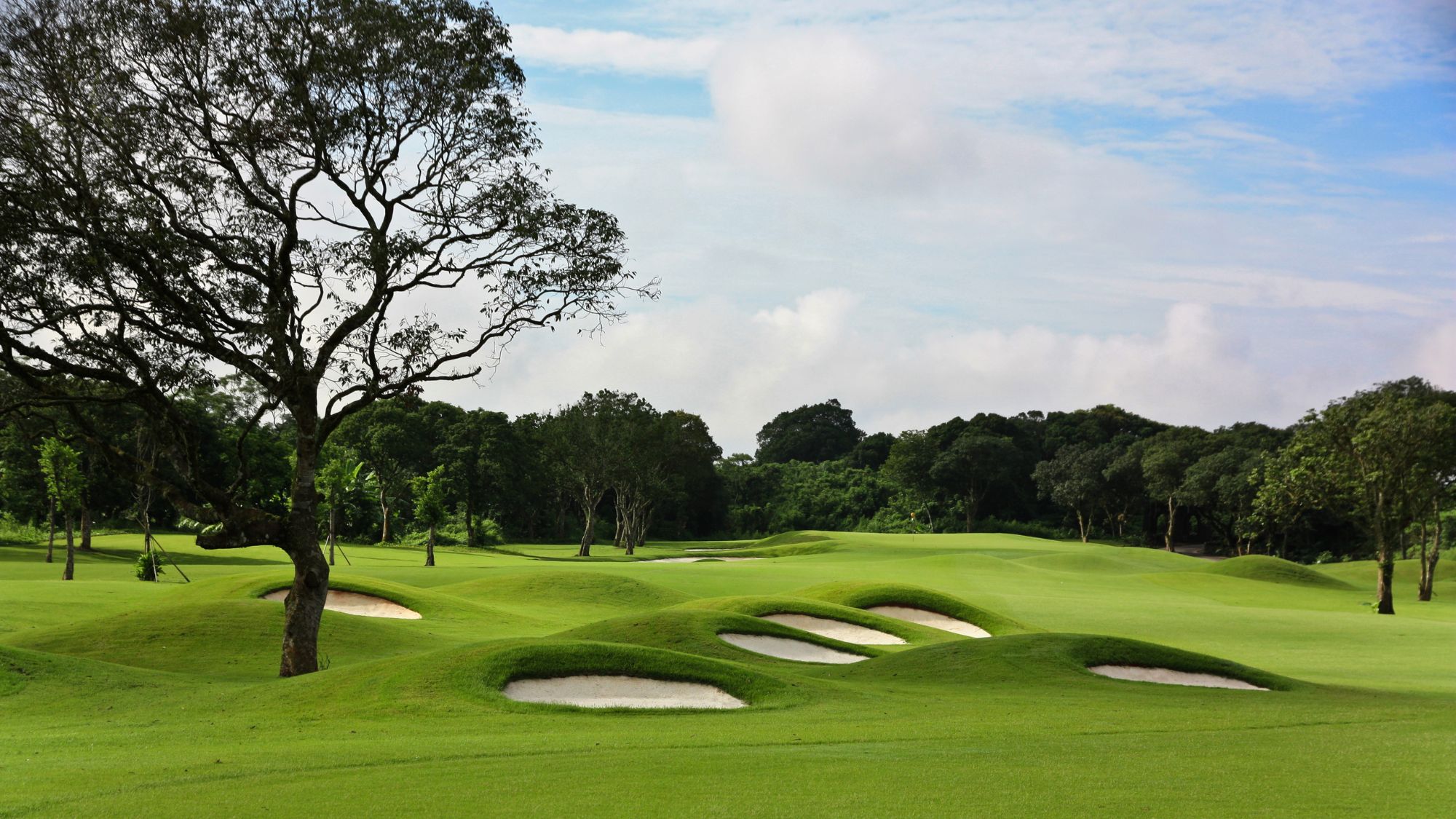
Why it belongs here: The Vintage is a charming homage to golf’s early architecture, where patience, course management, and a gentle, classic swing produce the best rounds. The fairways curl around mature lines, and the greens are generous in shape but cunning in speed.
Signature hole: The par-4 9th. A sunlit, receptive fairway leads to a green framed by old-world contouring. The subtle slope from back to front and a handful of intelligently placed bunkers create a test of nerve and a chance to reflect on the course’s timeless design.
What to love: The nostalgia factor, the feel of a “golf as it used to be” experience, and the way the course rewards thoughtful, repeatable shots over brute force.
4. Dunes East Course (Shenzhou Peninsula) — A coastal gem with rolling dunes, ocean breezes, and a natural rhythm.
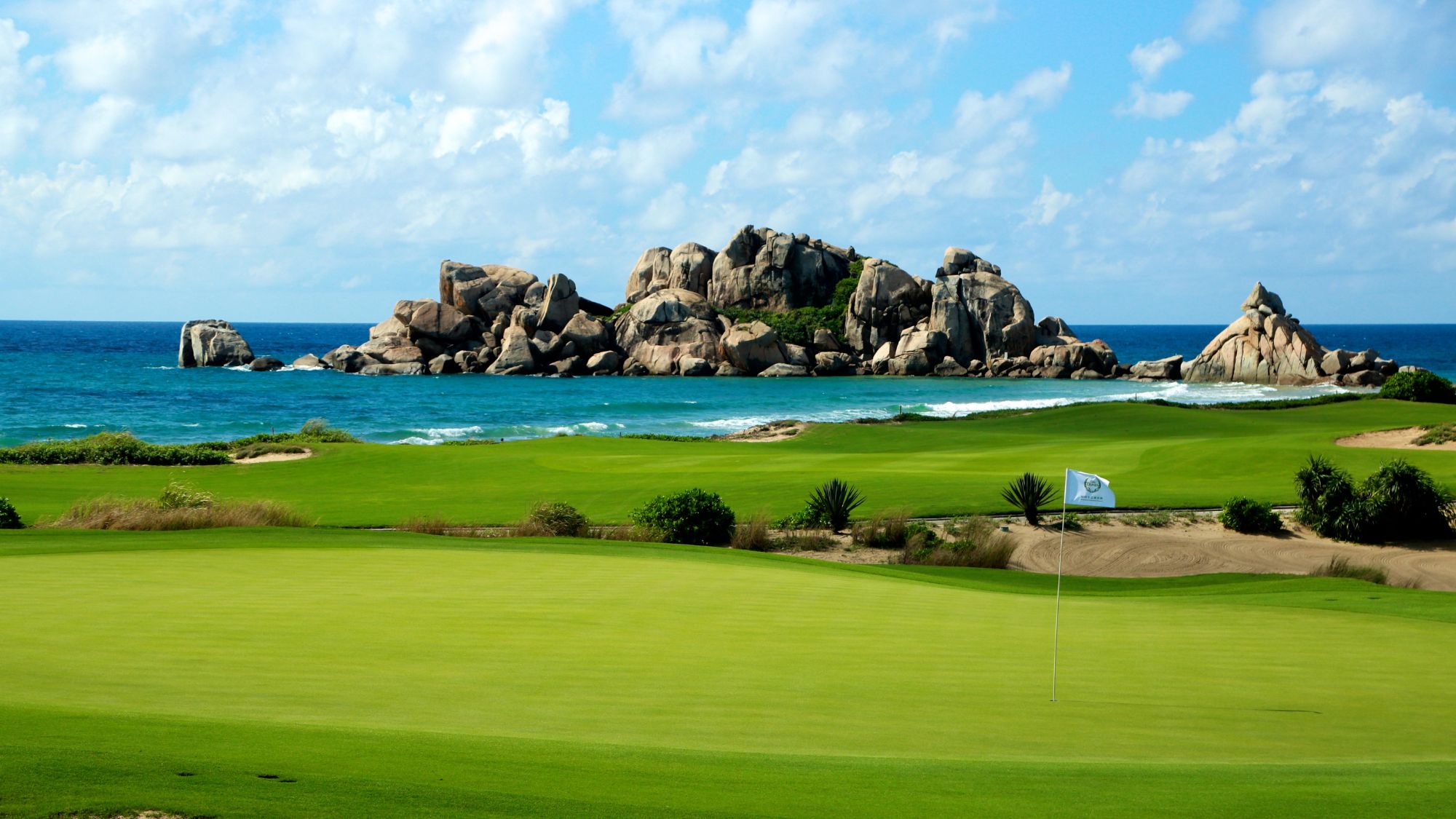
Why it belongs here: The East Course offers one of the finest seaside golfing experiences on Hainan. The dunes shape every hole, the sea breeze adds a variable you can chase or respect, and the layout invites long, confident drives and precise approaches.
Signature hole: The par-5 5th. A sweeping dune-lined fairway demands a fearless tee shot, followed by a long, strategic approach to a green that sits near the shoreline. Wind direction shifts the balance of risk and reward, making this a standout moment where the course’s personality shines.
5. The Dunes West Course (Shenzhou Peninsula): The Finale with a Coastline Curtain Call

As the grand finale of your Hainan voyage, Dunes West invites you to close the trip with a crescendo of greenside drama, lake sparkle, and wind-kissed thrills. This course threads its way along the island’s coast, where sapphire water flirts with salt-scented air and each tee shot carries a whisper of the waves. Lakes glisten like liquid mirrors, fairways bend and breathe with the rhythm of the dune ridges, and, most importantly, every hole wears its own personality—a perfect mic drop to a week of unforgettable golf.
Signature hole: The 18th, “Coastline’s Embrace” Par 4. This is the hole you’ll tell stories about long after you’ve left Hainan. A bold drive over a shallow dune sea sets the stage, with fairway bunkers threading a measured path toward a two-tier green that sits at the edge of the coastline. The left side of the green runs toward a small inlet, while the right slopes away toward a pair of natural lava ridges that guard the outer perimeter.
What to love: Lakes glisten like liquid mirrors, fairways bend and breathe with the rhythm of the dune ridges, and, most importantly, every hole wears its own personality—a perfect mic drop to a week of unforgettable golf.
The question remains, which one will be your favourite? There’s only one way to settle it—tee it up at Mission Hills and play them for yourself. >>Book our China tour this October and find out<<. Limited spots available.

Last week, I was on a plane heading to a family wedding in Sydney, flipping through an inflight magazine when I spotted a question that stopped me in my tracks: Where is your happy place? My answer lands squarely on Kenya—a destination that stole my heart five years ago and still pulls me back, time and again.
Kenya was the place I first visited with my teenage twin boys as they turned 18 and had just finished Year 12. Five years on, I’m still drawn back to the land of heart-stirring landscapes, fearless wildlife, and a pace of life that reminds me what really matters.
Quick take: why Kenya is my happy place
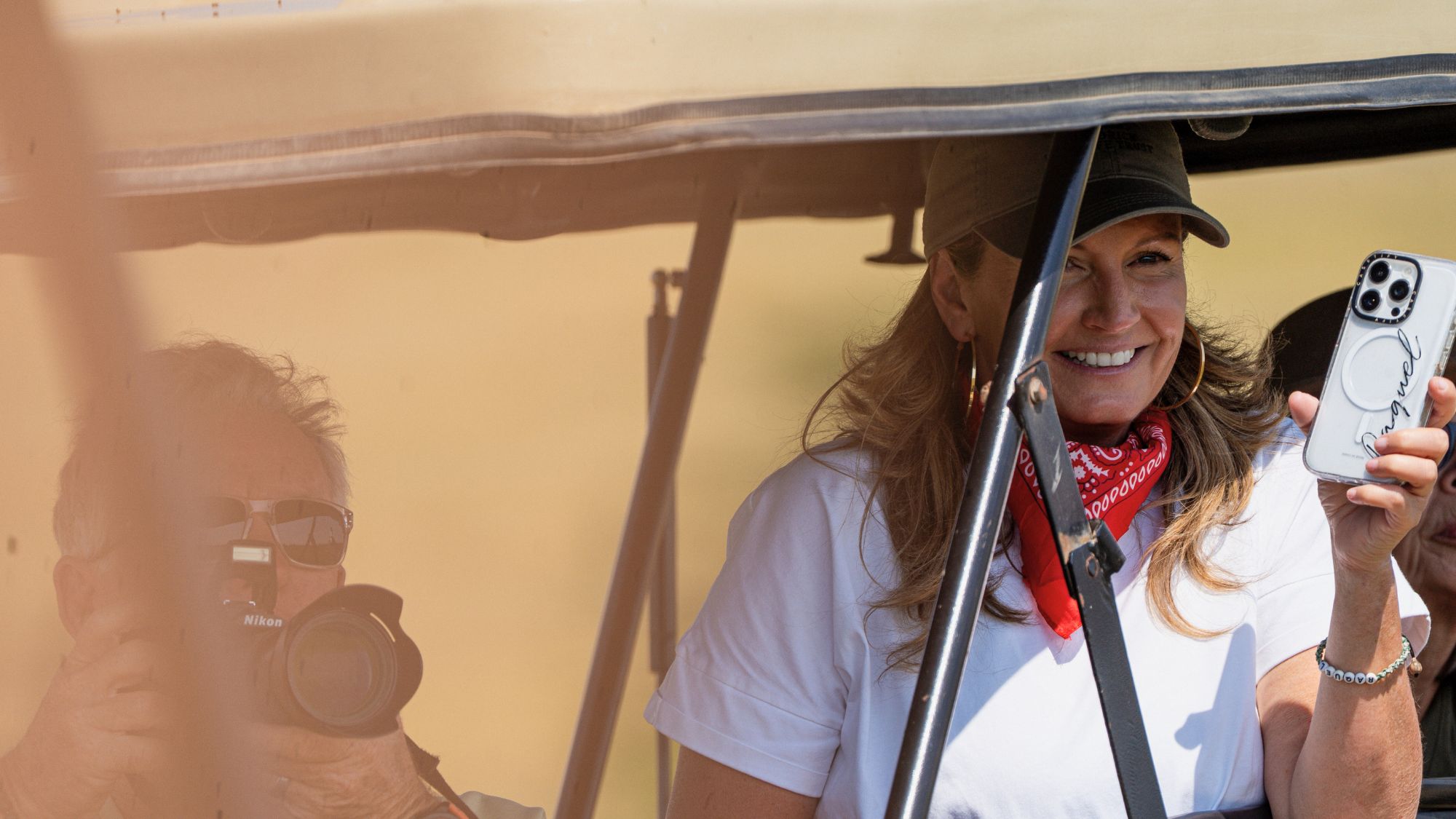
Kenya ticks all my boxes.
My love for animals runs deep; sometimes they’re easier to love than humans, which makes the country feel like a sanctuary. The landscapes are generous, the sunsets impossibly cinematic, and the people—kind, humble, with a warmth that is genuine. Then there’s the adventure: moments of high tempo and pure excitement that leave a lasting grin on your face.
One day I’m playing golf on magnificent courses; the next day I’m floating in a hot air balloon above the Masai Mara, watching the world wake up from a bird’s-eye view. Kenya, for me, is a true happy place.
A safari that pulls a rainbow of emotions
A safari can pull a rainbow of emotions from you in a single morning. Being in the Masai Mara, I’ve learned, is not a one-note experience. Like a box of chocolates, it’s a collection of tiny surprises.
On one particular day we were treated to the sight of baby elephants and zebras, but the highlight was watching two female lionesses escort their cubs out of hiding in the trees, across the open plains, protecting them with a resolve that left me humbled. The grace of a family moving as one—these are the scenes that stay with you.
The big-cat crescendo: a “triple treat”
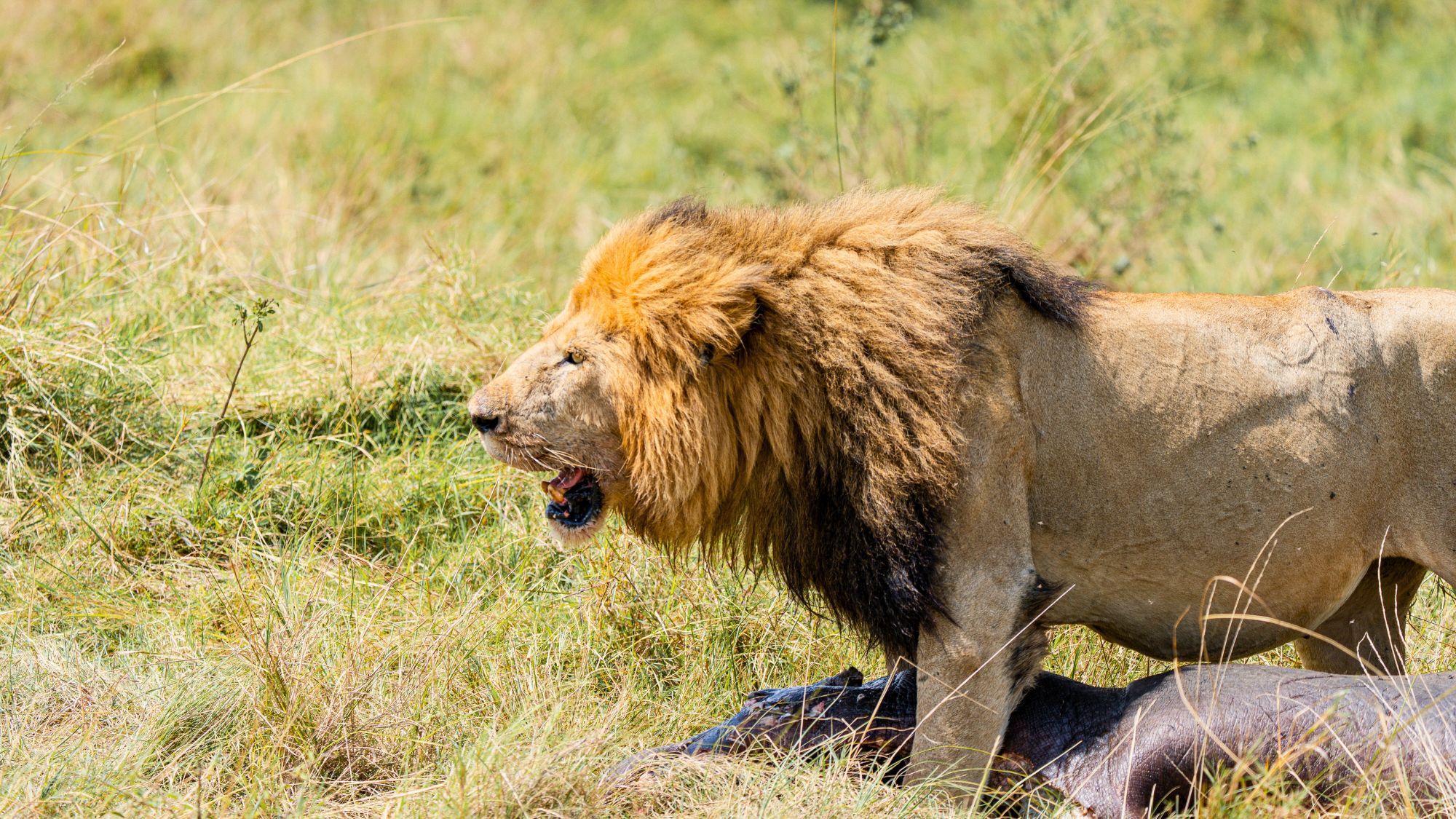
Then came the big-cat crescendo—the “triple treat” that still feels it can never be repeated.
Two male lions taking down a baby hippo on the river’s edge, a leopard enjoying a midday lunch after a kill—upper branches a safety rope from hyenas—and a cheetah stalking a group of Thompson gazelles. We put down our cameras and held our breath, knowing we were in the middle of something special.
Our guide quietly said, “we will not get closer, we will not interfere with an animal and a kill.” It felt like the right compass in a place that can, if you’re not careful, spin out of control.
The cheetah’s charge came in a blur of dust, and the moment before the kill was as thrilling as any climactic scene in a movie.
Kenya golf: more than a round, it’s the scenery

And then there’s the golf. Kenya’s golf courses are not just venues for sport; they are scenic experiences in their own right. We played at Muthaiga, Karen, and Segona—three courses that are all conveniently close to Nairobi, each with its own character.
Karen Golf Course sits in a district named after Karen Blixen, author of Out of Africa, tying literature to landscape in a way that feels symbolic as well as charming.
Muthaiga, the current host of the Kenya Open, has a history that glows in the stories told at the 19th hole—especially the Par 3 - 2nd hole, a challenge that still gets everyone talking. This signature hole has water hazards that require iron accuracy and strategic bunkers that guard the green. It feels like a test to be enjoyed rather than endured.
Those rounds of golf were elevated even more with the caddies, their fabulous smiles, not to mention their astute guidance. I wish I could have teleported my caddie, Benjamin, back home to Australia with me. I would be ripping up my home course by now.
Kenya: the adventure unknown (and the memories you take home)
For some people their happy place is a secluded beach, a stunning sunset with a margarita cocktail on speed dial. For me now, I crave something more active, more of the adventure unknown. Kenya fits that desire perfectly. It invites you to participate in the moment and carry those memories home.
From a visit to the Kibera slum to cook with a family, to the sight of a leopard lunching high in a tree, the experiences are a collage of delight. And yes, there are lighter, quirkier moments too—like teeing off while a curious giraffe ambles across the fairway, stopping the swing with a nod of regal indifference. Each day offers a new scene, a new story to take with you.
Kenya ticks all my boxes—and then some. It’s like a box of chocolates: you never know what you’re going to taste next, but you know it will be unforgettable.
I’m already counting the days until September, when I’ll return with fresh plans and bold ideas to add to the journey.
Why don’t you join me? >> Kenya Golf & Safari Tour <<
Because the blend of heart-pounding wildlife, vibrant landscapes, and sport-infused adventures is an invitation to live fully in every moment.
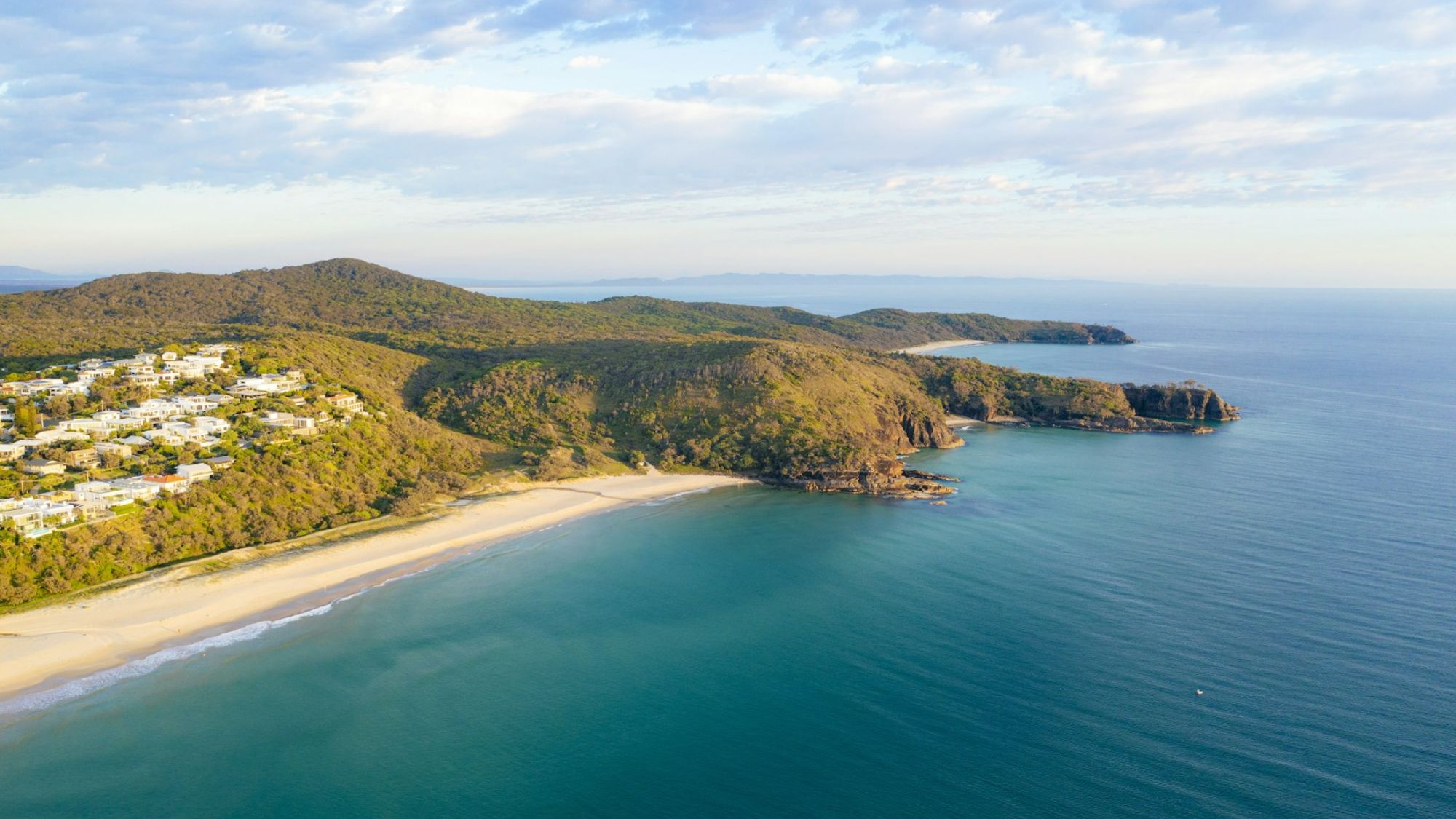
This seaside town continues to steal the hearts of travellers and is fast becoming a golfers’ paradise.
Here are 10 reasons why Noosa is the best town to visit in Australia right now.
1. A Golfer’s Paradise

Noosa is fast becoming the golf capital of the coast. Maroochy River — this championship course is unique for its links-style layout, featuring wide, sweeping fairways, strategic bunkering, and iconic views of Mt Coolum. While the nearby Twin Waters Golf Club — designed by Peter Thomson — is consistently ranked among the best in Australia. Whether you’re chasing a birdie or just the views of Lake Weyba, the greens here are world-class.
2. Pristine Beaches
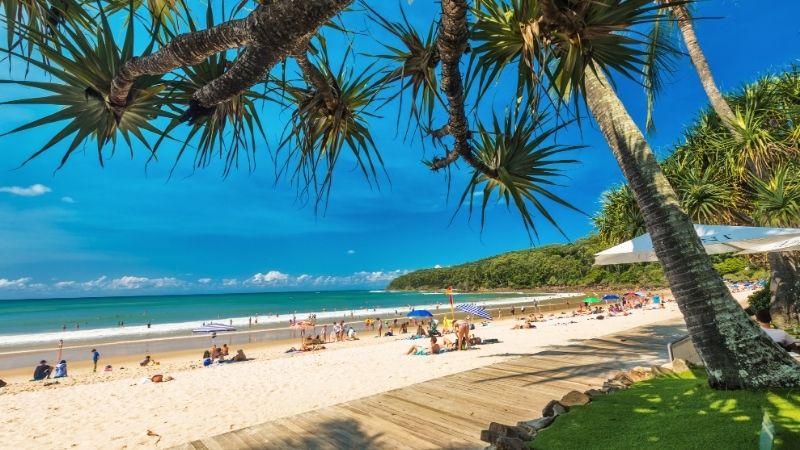
From the gentle, sapphire waves of Noosa Main Beach to the hidden, rocky alcoves of Little Cove, the water here is legendary. Because Main Beach faces north, it remains calm and swimmable nearly year-round, making it perfect for water adventurers of all skill levels.
3. Culinary Delights & Spirit House
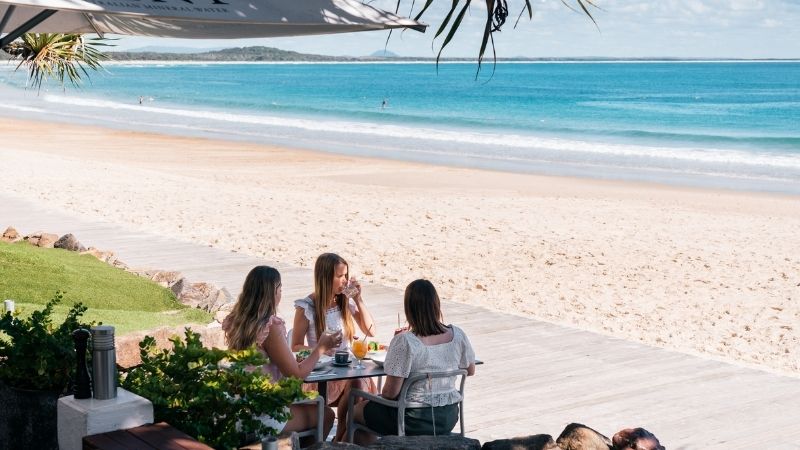
Noosa is a serious food town. While Hastings Street is packed with icons like Bistro C, the real "bucket list" experience is a short drive to the hinterland for Spirit House. Set in a stunning tropical garden that feels like a film set, it serves award-winning Thai-inspired cuisine that is worth the trip alone.
4. Hastings Street Shopping
.jpg)
Nowhere else in Australia does boutique shopping like Hastings Street. It is a curated collection of high-end fashion, local surf labels, and unique homewares. After a morning on the sand, there is nothing better than wandering the shaded boardwalk with a gelato in hand.
5. Noosa National Park
.jpg)
Just a short stroll from the shops, this park is a natural wonderland. The Coastal Walk offers 10.8km of breathtaking scenery, from the dramatic cliffs of Hell’s Gates to the enchanting Fairy Pools. Keep your eyes peeled for koalas in the trees and dolphins playing in the surf below.
6. Lush Hinterland and Quaint Aussie Towns
.jpg)
Hire yourself a car and explore the local area. Take a short drive, only about 20-30 minutes inland, and explore the rolling hills, lakes and mountains of the stunning Noosa Hinterland. Make sure you stop off in a few of the little towns you’ll stumble across like Cooran, Doonan, Kin Kin, Cooroy, Pomona or Eumundi where you’ll find the famous Eumundi markets.
7. The Ultimate Winter Escape
.jpg)
While the rest of Australia shivers, Noosa stays sun-drenched. With mild temperatures and clear blue skies, it is the premier destination to escape the winter blues and soak up some much-needed vitamin D.
8. The People and "Coastal Chic"
.jpg)
The vibe in Noosa is best described as "friendly coastal chic." The locals are welcoming, the service is impeccable, and there is a shared community respect for the environment and the easy-going lifestyle that defines the town.
9. New Luxury: Elysium Noosa Resort

The accommodation game has been elevated with the arrival of Elysium Noosa. Located right on Hastings Street, it features light-filled suites, private plunge pools, and Noosa’s only swim-up bar. It’s the perfect sanctuary for those who want to be in the heart of the action while enjoying 5-star serenity.
10. Unbeatable Coastal Vibes
While this seaside gem has long been a favourite for sun-seekers, it has evolved into a sophisticated playground for golfers, foodies, and nature lovers alike.
🌴 Ready to Pack Your Bags?
If you’re looking for a sign to book that flight, we’ve just given you 10 reasons why. Join us this July in Noosa.

As 2025 winds down, a new kind of golf travel is taking centre stage.
It’s been a year of rediscovering the joy of being out in the world — teeing off in new places, meeting people, collecting stories around dinner tables, and finding yourself somewhere that feels different from home in all the best ways.
But something deeper has happened too. Golfers aren’t just choosing destinations; they’re choosing experiences. They’re chasing the feeling a place gives them.
Because the best golf trips aren’t defined by scorecards — they’re defined by something far more powerful:
By the people you meet.
By the moments you didn’t see coming.
By the way a landscape makes you breathe.
By the atmosphere you step into.
By the memories that stay long after the suitcase is unpacked.
So here it is — not a list of destinations, but a guide to the best places in the world for the feelings golfers crave most.
A celebration of the places where golf meets something bigger — joy, beauty, rhythm, indulgence, stillness, awe.
Let the journey begin.
The Best Place in the World for Golf as a Ceremony of Moments
Winner: Japan

Golf in Japan isn’t simply a sport — it is a ceremony, shaped by cultural rhythms that feel both grounding and quietly profound. From the moment you arrive, the tone is set. Golfers step out of their cars neatly dressed — men in jackets, women in polished attire — because here, presentation is a form of respect. You check into the clubhouse as though your checking into a 5 star resort. Then you’re guided through a locker room so immaculate you instinctively slow your steps. Timber. Warm light. Order. Calm.
You change into your golf clothes there — never rushed, never chaotic.
Japan invites you to prepare with intention.
On the course, the experience feels choreographed. Caddies move with grace, offering gentle encouragement and reading both the greens and the emotional tempo of your round. After nine holes, play pauses — not because you’re hungry, but because Japan understands the beauty of a deliberate break. You head inside to steaming curry, hand-prepared noodles, or a seasonal bento set. A meal, not a meal break. A moment, not an interruption.
Once you surrender to this rhythm, everything else in Japan begins to make sense.
The punctuality. The cleanliness. The reverence in a bow. The pride in every detail.
Japan’s culture doesn’t sit beside the golf — its culture is the golf.
This is a destination for the golfer who wants more than a round.
It’s for the golfer who wants to feel transformed by a way of life.
The Best Place in the World for Life’s Pleasures — Wine, Food, Natture, Golf, and Luxurious Comfort
Winner: South Africa

South Africa is indulgence with soul — a place that invites you to savour, slow down, and stretch out each moment. Courses here are framed by sweeping mountain ranges, rolling vineyards, and coastlines that glow gold in the late afternoon light. They’re beautifully maintained, among the best in the world, and always paired with views that feel like paintings.
But the real essence of South Africa is found after the final putt drops.
It’s in the world-class wines poured with generosity.
In the meals that taste like stories.
In the hotels designed for deep rest and slow mornings.
In conversations that drift long into the night beneath star-filled skies.
Safari adds a heartbeat all of its own, but South Africa’s magic lies in how comfortable, warm, and looked-after you feel.
It’s luxury without pretence.
Beauty without effort.
A journey for travellers who want to indulge in all the good things — with golf simply enhancing the experience.
The Best Place in the World for Pure Golf Leisure & Feel-Good Days
Winner: Thailand
%20(1).jpg)
Thailand is joy in its purest form — warm, vibrant, generous, and unmistakably welcoming. Step onto any tee box and your caddie will greet you with a smile that dissolves tension instantly. Thai caddies are famous for their spirit: part guide, part coach, part comedian, part cheerleader. If your round unravels, they’re the first to say “su su!” — keep fighting.
It’s impossible not to feel lifted.
But Thailand’s magic goes far beyond the fairways. After your round, you can enjoy a foot massage, an ice-cold drink, and a delicious meal — all for under $50. It’s escapism wrapped in hospitality, a kind of carefree leisure that the rest of the world simply cannot replicate.
Thailand is where golf becomes joy.
Where days stretch long and laughter comes easily.
Where the simple pleasure of being looked after becomes the heart of the journey.
It’s no surprise golfers return here year after year — not out of habit, but out of love.
The Best Place in the World for Transformational, Heart-Opening Travel
Winner: Kenya

Kenya is Africa in its purest, rawest, most emotional form. You don’t just travel here — you feel it. You feel it in the rhythm of the music that greets you when you arrive. You feel it in the dancing, the colour, the warmth. You feel it in the profound generosity of people who may have very little, yet give everything.
Depending on the metric, Kenya might be seen as ‘first world’.
But in spirit?
It is one of the most developed.
You will find happiness here in places where people have almost nothing — a happiness rooted in community, gratitude, and an unshakeable connection to the land. And that moves you. It shifts something inside you.
Then there is the Masai Mara — a landscape so vast you lose your breath. Standing on its edge, with the sky stretching endlessly above you, you feel small and ancient and deeply human. Nature becomes a teacher again. The world feels wider, older, wiser.
Golf in Kenya isn’t about the score.
It’s about returning to something primal.
Something essential.
Something beautifully real.
This is a destination that reconnects you with Mother Nature — and with yourself.
The Best Place in the World for Epic, Cinematic, Breath-Stealing Golf
Winner: New Zealand
.jpg)
New Zealand is epic in every sense — dramatic landscapes, cinematic vistas, air so pure it feels like a tonic, fairways perched on the edge of the world. This is a place built for the golfer who feels most alive in nature.
You stand on a cliff at Jacks Point, lake Wakatipu spanning till the horizon beneath you.
You aim across lakes so glassy they reflect the sky.
Snow-capped mountains frame your line of sight.
Every hole feels like a postcard you’ve somehow stepped into.
New Zealand inspires hero shots.
It whispers, “Go on. Take the risk.”
It makes you breathe deeper — but be careful, it may also take your breath away altogether.
This is a pilgrimage for golfers who want their surroundings to shake them awake.
Who want awe.
Who want scale.
Who want to feel like the world just expanded around them.
2026: The Year Golf Travel Becomes Transformational.
More and more golfers are choosing journeys that offer something deeper than a famous course. They want connection — to people, to landscape, to food, to rhythm. They want to feel something. They want moments that stay alive inside them, long after the final putt.
Golf is the thread.
Connection is the experience.
In 2026, the world is inviting you to explore both.
Choose the Journey That Makes You Feel Something
As you look ahead to the coming year, don’t ask yourself merely where you want to play.
Ask yourself what you want to feel.
Joy.
Stillness.
Wonder.
Connection.
Indulgence.
Transformation.
Awe.
Freedom.
The world is ready.
The fairways are calling.
And the stories waiting for you in 2026 are already beginning to unfold.
Whenever you're ready to explore them — we’ll help guide the way.
P.S. Thanks for reading this far. There are a few more destinations that truly deserve a place on this list—but we’re saving them for 2027. Think rugged coastlines, island paradises, alpine courses, northern lights, and golf at the foothills of the alps. Stay subscribed and keep your passport ready… the world is calling.

When you land in Thailand, you’ll feel it right away — that mix of warmth, chaos, and kindness that makes this country so special. The smiles are real, the food is unforgettable, and the culture has a rhythm all its own. Whether you’re here for golf, beaches, or just a good time, there are a few things worth knowing before you dive in.
7/11s Are Life
You’ll spot them everywhere — and I mean everywhere. There’s often one on each side of the street, and you might find yourself wondering why on earth are there two opposite each other? Don’t question it. Just trust it. T.I.T. – This Is Thailand.
Inside you’ll find everything you could possibly need — water, sandwiches, sunscreen, shaving foam, makeup remover, even a cheeky bottle of beer. Travellers and locals alike rely on 7/11s for daily life.
When to Visit Thailand – Seasons, Sunshine & Showers
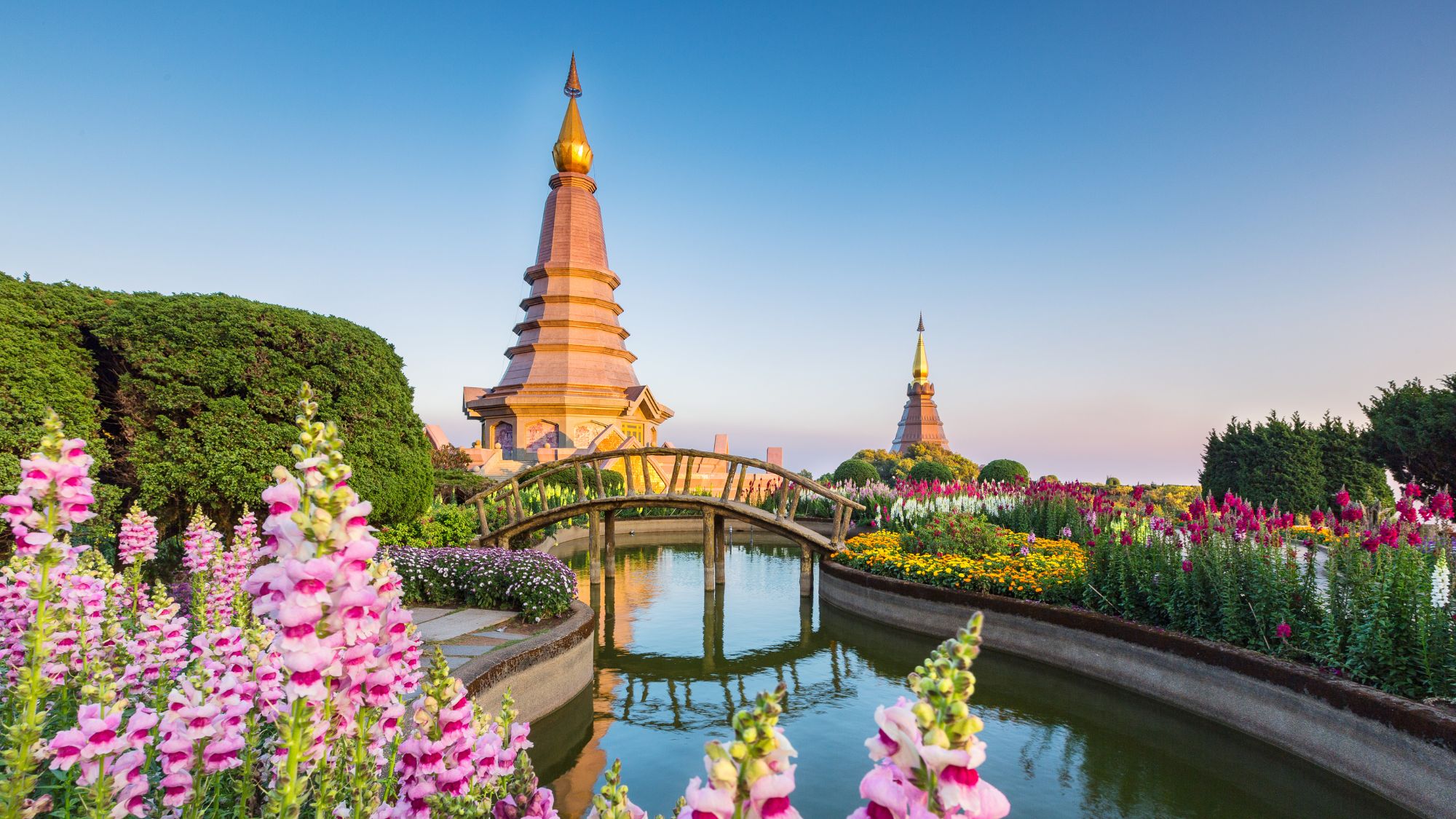
Thailand’s warm year-round, but the experience varies by season and region. Knowing when to go can make a big difference — for both weather and crowds.
There are three main seasons:
- Cool & Dry (Nov–Feb): The best weather — clear skies and low humidity.
- Hot Season (Mar–May): Expect plenty of sunshine and early tee times.
- Rainy Season (Jun–Oct): Tropical showers roll through, refreshing the air and greening up the fairways.
But not all rain is created equal.
Pattaya tends to get brief afternoon storms, so morning golf is rarely affected.
Hua Hin can see a day or two washed out, but most of the time the rain passes quickly, leaving clear skies behind.
Phuket, further south, is a different story — when the monsoon hits, it really hits. We recommend avoiding peak rainy season there altogether.
For us, the shoulder seasons — June and October — are the sweet spot.
They bridge the hot and rainy seasons, bringing a slight dip in temperature, fewer tourists, greener courses, and better prices. Rain is possible but rarely ruins plans — you might get a quick downpour followed by sunshine.
Then there’s peak season (Nov–Feb) — the best weather, but also the busiest and most expensive. It’s perfect if you don’t mind sharing fairways and beaches with a few more travellers. But if you prefer space, value, and a touch of adventure, those shoulder months are hard to beat.
Learning the Language – A Little “Sawasdee” Goes a Long Way
Thais truly appreciate when you make the effort to learn a few local phrases.
The basics go a long way:
- Sawasdee krub/ka (สวัสดีครับ/ค่ะ) – Hello (krub for men, ka for women)
- Kob khun krub/ka (ขอบคุณครับ/ค่ะ) – Thank you
- Khor thot krub/ka (ขอโทษครับ/ค่ะ) – Sorry
- Hong nam yoo nai? (ห้องน้ำอยู่ที่ไหน?) – Where is the toilet?
A simple “krub” or “ka” at the end of your sentence, even if you’re speaking English, shows respect and earns instant smiles.
If you’re golfing, here are a few bonus words that might come in handy on the course:
- Kee laa (กี่หลา) – How many yards?
- Kee met (กี่เมตร) – How many meters?
- Tok nam (ตกน้ำ) – In the water
- Tok sai (ตกทราย) – In the sand
- Sai (ซ้าย) – Left
- Kwa (ขวา) – Right
- Keun (ขึ้น) – Up
- Long (ลง) – Down
If you want to save money while shopping, knowing how to ask “How much?” like a local will serve you well:
- Tao Lai krub/ka? (เท่าไหร่ครับ/คะ) – How much?
Be prepared — they’ll probably answer in Thai, so it helps to know your numbers. Here’s a quick guide:
How it works:
- Sip means ten. So 20 is yee-sip, 30 is sam-sip, and so on.
- Roi means one hundred. So song roi baht (สองร้อยบาท) means two hundred baht.
- Combine them and you’ll sound like a pro:
- Sip ha baht = 15 baht
- Neung roi baht = 100 baht
- Song roi ha sip baht = 250 baht
Prices are always in Baht (บาท) — the local currency — and most shops or markets expect cash for small purchases, though cards are widely accepted in hotels and larger stores.
Learn a few of these and you’ll not only save a bit of money but also get a lot of smiles for trying.
Thailand’s Diversity, History & Heart

Thailand is one country, but many worlds in one. Travel from north to south and you’ll notice the language, flavours, and even the rhythm of life change dramatically.
In the north, around Chiang Mai and Chiang Rai, the accent softens — locals speak Kham Mueang, a melodic dialect that sounds gentle and welcoming.
In the northeast, known as Isaan, people speak Lao Isaan, a dialect closely related to Lao. It’s so different that even native Thai speakers from Bangkok often can’t understand a word! Locals from Isaan will switch to Central Thai when speaking to people from outside the region, but amongst themselves, it’s pure Isaan — full of character, slang, and musical tone.
Head south, and the accent becomes sharp and rhythmic, with many Malay influences, while the food turns rich and fiery.
And in Bangkok and Central Thailand, you’ll hear standard Thai — the version taught in schools and used on TV — the country’s linguistic meeting point.
This patchwork of dialects reflects Thailand’s remarkable history. Unlike most of its neighbours, Thailand was never colonised. While the British ruled Myanmar (Burma) to the west and the French controlled Cambodia and Laos to the east, neither side wanted to risk conflict with the other — so Siam, as Thailand was then known, was left independent.
That neutrality allowed Thailand to adapt and thrive. It absorbed influences from India, China, and its neighbours, blending them into something distinctly Thai — a culture that borrows, honours, and yet never loses its identity. You’ll see it in the architecture, taste it in the food, and feel it in the people — from Hindu gods at temple gates to Buddhist monks collecting alms at sunrise, to mosques and churches existing peacefully side by side.
And through all of this, one value sits at the heart of Thai culture: respect.
Thais genuinely value it. It’s built into how they speak, how they greet, and how they interact with others. That doesn’t mean they’re serious or rigid — quite the opposite. Thais love to laugh, joke, and have fun (sanuk is practically a philosophy). But they also value grace.
It’s something that can catch foreigners off guard at first. Loud voices or rowdy pub-style banter might be normal at home, but in Thailand, it can come across as disrespectful or crass. Thais might not say anything — they’ll just quietly think to themselves that person is not respectful. Keep things relaxed and polite, smile often, and you’ll fit right in.
Customs & Culture – Smiles, Wai, and Warmth
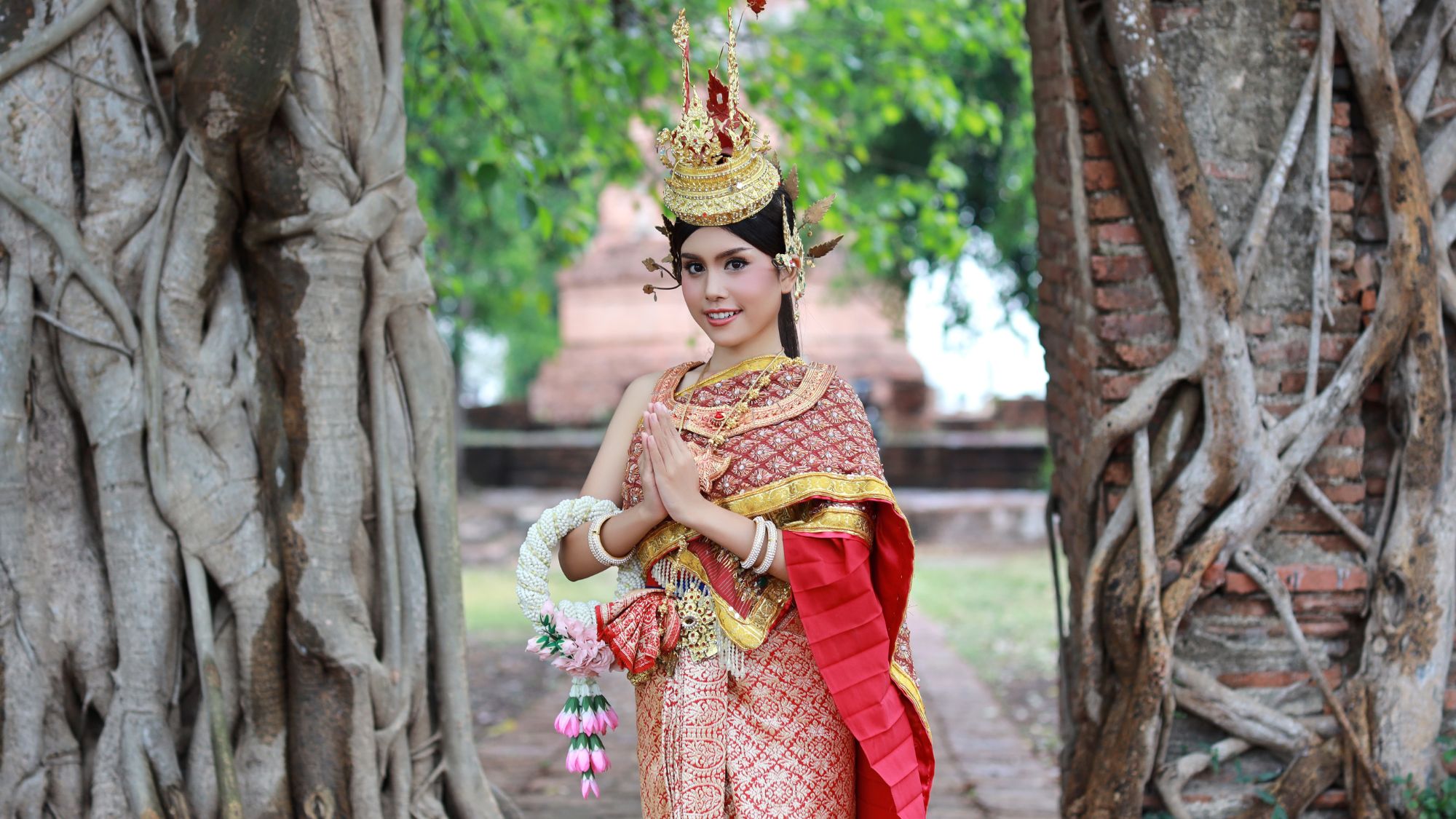
Thailand isn’t called The Land of Smiles for nothing. Kindness and respect are woven into daily life here, largely influenced by Buddhism, which encourages humility and calmness.
You’ll often be greeted with a Wai — hands pressed together like a prayer, accompanied by a nod or smile. It’s a graceful way of saying hello, thank you, or goodbye, and one of the simplest ways to show respect.
The height of your hands matters:
- When greeting someone older, a monk or in a position of respect, hold your hands so your fingertips reach your nose.
- For friends or casual encounters, the fingertips should be around chin level.
- Don't raise your hands above your head that might of been a sign of respect 200 years ago, but it's not practiced anymore.
- And don’t hold them too low — that’s considered disrespectful.
Return the gesture whenever you can; it’s a small act that says you understand and appreciate Thai culture.
The Flavours of Thailand – Eat, Savour, Smile
Food is one of Thailand’s greatest joys — and one of the best ways to experience local life. But here’s the thing: what you’re served in restaurants back home isn’t always what locals eat every day.
The Farang (foreigner) Favourites
Let’s start with the Western favourites — the dishes Thais serve you because they know you’ll love them.
Yellow, Green, and Red Curries are the big three: beautiful coconut milk–infused curries made with your choice of meat. Westerners (farangs) go ting tong (a bit crazy) for them.
Then there’s Khao Pad (ข้าวผัด) — Thai-style fried rice, simple and comforting with your choice of chicken, beef, pork, or prawn. It’s mild, not too spicy, and easy to digest — a go-to for anyone easing into Thai cuisine.
The Local Favourites
Want to eat like a local? Start with Tom Yum, Thailand’s famous hot and sour soup. You can choose any meat you like, though Tom Yum Goong (ต้มยำกุ้ง) — the prawn version — is the most famous.
If you prefer a creamier, coconut-based broth, try Tom Kha (ต้มข่า) — it’s rich, aromatic, and perfect for anyone who loves that signature Thai coconut flavour.
Then there’s Pad Krapow (ผัดกะเพรา) — a dish you’ll find everywhere in Thailand. It’s stir-fried meat with holy basil, chilli, and garlic, often served over rice. I recommend ordering it it with a fried egg on top.
“Pad Krapow [meat] Kai Dao krub/ka” (ผัดกะเพรา [meat] ไข่ดาวครับ/ค่ะ) —
that means “Basil stir-fry with [your meat choice] and a fried egg, please.”
My personal favourite? Pad Krapow Moo Sap Kai Dao (ผัดกะเพราหมูสับ) — minced pork, with a crispy fried egg on top. Heaven on a plate. If you like it spicy, just add “pet mak!” (เผ็ดมาก) — make it very spicy.
Larb (ลาบ) is another must-try — a salad made with minced meat, herbs, lime, and roasted rice powder. It’s fresh, spicy, and full of flavour.
And then there’s Som Tam (ส้มตำ) — the iconic green papaya salad. Start with Som Tam Thai, a mild version that balances sweet, sour, and a little spice. But if you’re feeling brave (and have a strong stomach), try Som Tam Pla Ra (ส้มตำปลาร้า) — the Isaan version made with fermented fish sauce.
To foreigners, the smell can be… intense — but for Thais, especially from Isaan, it’s pure comfort food. Eat it the traditional way: with sticky rice, grilled chicken, and a glass of something cold. Absolute perfection.
How to Order Like a Pro
Knowing your meats in Thai will help you order confidently — and earn a few impressed smiles from the locals.
So:
- Pad Krapow Moo Kai Dao = Pork with basil and fried egg
- Pad Krapow Gai Kai Dao = Chicken with basil and fried egg
- Tom Yum Goong = Spicy and sour prawn soup
Once you’ve ordered your first meal in Thai, you’ll feel right at home.
Getting Around Thailand – Easy, Affordable, and Surprisingly Fun
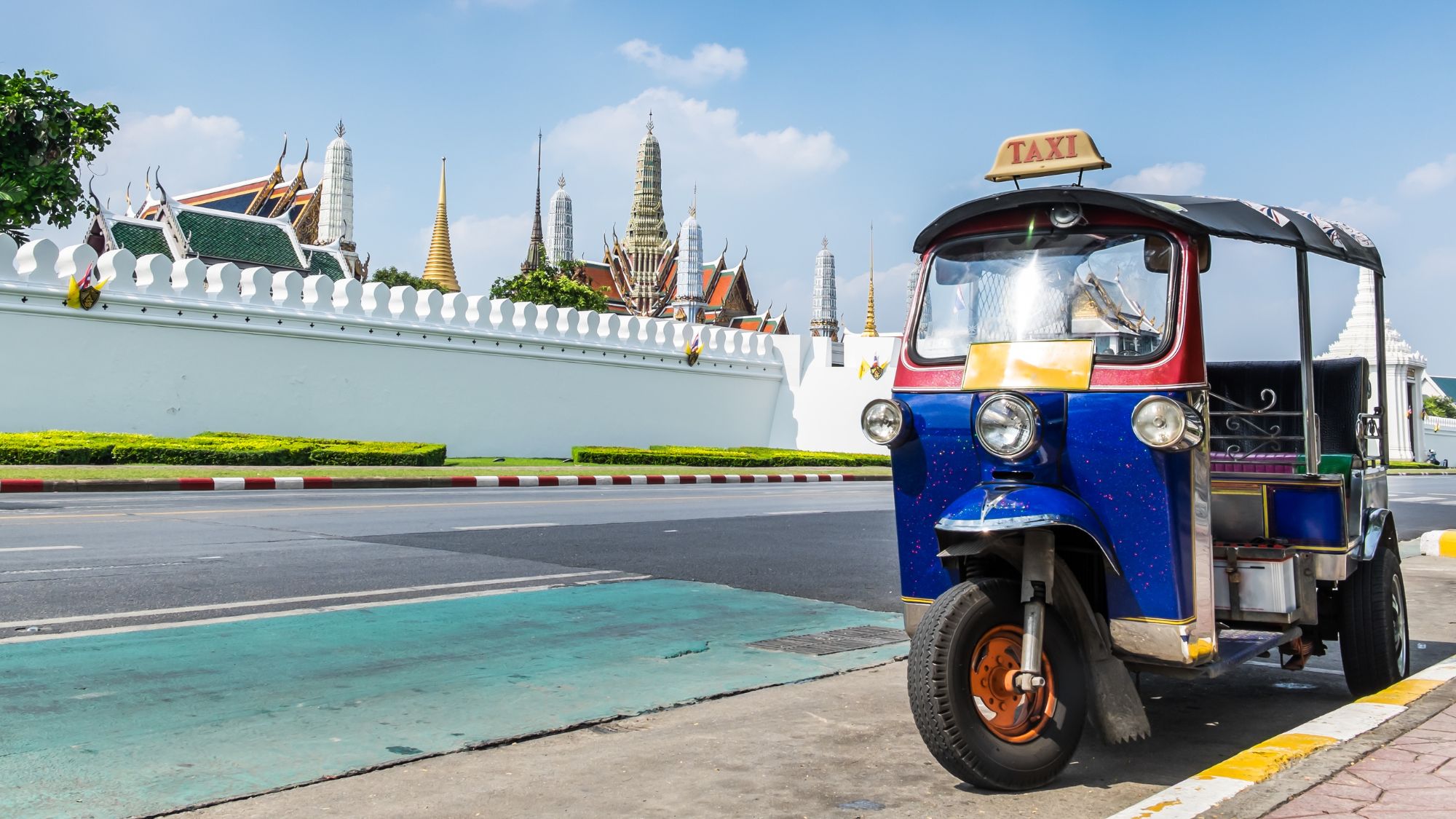
One of the best parts about travelling in Thailand is how easy everything is. Transport, food delivery, laundry — it all just works. You’ll quickly realise that day-to-day life here runs on convenience.
Tuk-tuks are iconic — those colourful, three-wheeled taxis buzzing through the streets. They’re inexpensive and perfect for short rides around town. Just agree on a price before you hop in, smile, and enjoy the ride — it’s part of the Thailand experience.
Taxis are everywhere, especially in major cities and resort areas. Most are metered, but if the driver hesitates, just ask: “Meter dai mai?” (Can you use the meter?). It’s cheap, comfortable, and air-conditioned — ideal after a hot day on the course.
If you want a simpler option, Grab is king. It’s Thailand’s version of Uber, and you can use it for both rides and food delivery. It’s safe, reliable, and incredibly easy to use — just download the app, add your card, and you’re set.
GrabFood is a game-changer. Whether it’s Thai street food, pizza, or your morning coffee, it’s all just a few taps away — and it often arrives faster (and cheaper) than room service.
Motorbikes are everywhere too, but not somerthing you want to risk your life on. They often dart in and out of traffic, over pavements, through questionable yellow/red lights and its just best avoided so you don't end up injured.
Need laundry done? No problem. Laundry shops are everywhere — usually just around the corner from your hotel. Drop off your clothes in the morning, and by the afternoon they’ll come back neatly folded, fresh, and clean — all for around $4 AUD per kilo.
Everything in Thailand feels built to make life easy. Once you settle into the flow, you’ll see why so many travellers come for a visit and never want to leave.
Staying Healthy in Southeast Asia
There’s a term you’ll hear travellers use around this part of the world — “Southeast Asia belly.” It’s not the food’s fault. It’s the water.
Thailand’s street food often gets unfairly blamed, but the truth is, street food that’s cooked fresh and served hot is usually completely fine. The danger lies in what you don’t see — the water used to wash, rinse, or blend.
That smoothie from the beautiful little café that looks spotless? Guess again. The fruit may be washed in tap water, and the blender might be rinsed with it too. Even if everything looks clean, it’s what’s underneath that counts — and local tap water simply isn’t filtered the same way as back home.
If you want to stay healthy:
- Eat street food that’s cooked well and served piping hot. Hot woks and flames are your best friends.
- Skip smoothies and juices unless you know they use bottled or filtered water.
- Avoid ice — no matter how tempting that iced latte looks.
- Stick to wine, beer, or sealed bottled drinks — the safe, delicious, and socially acceptable way to hydrate.
Your stomach will thank you, and you’ll still get to enjoy all the incredible flavours Thailand has to offer — safely.
Final Thoughts – This Is Thailand
Thailand is a place where contradictions somehow make sense — where chaos and calm coexist, where strangers smile at you for no reason, and where a 7/11 toastie just makes sense.
Learn a few words, share a few smiles, and you’ll see why everyone who visits falls in love with this place.
Come for the golf, stay for the smiles — and maybe grab a pad krapow on your way back to the hotel.
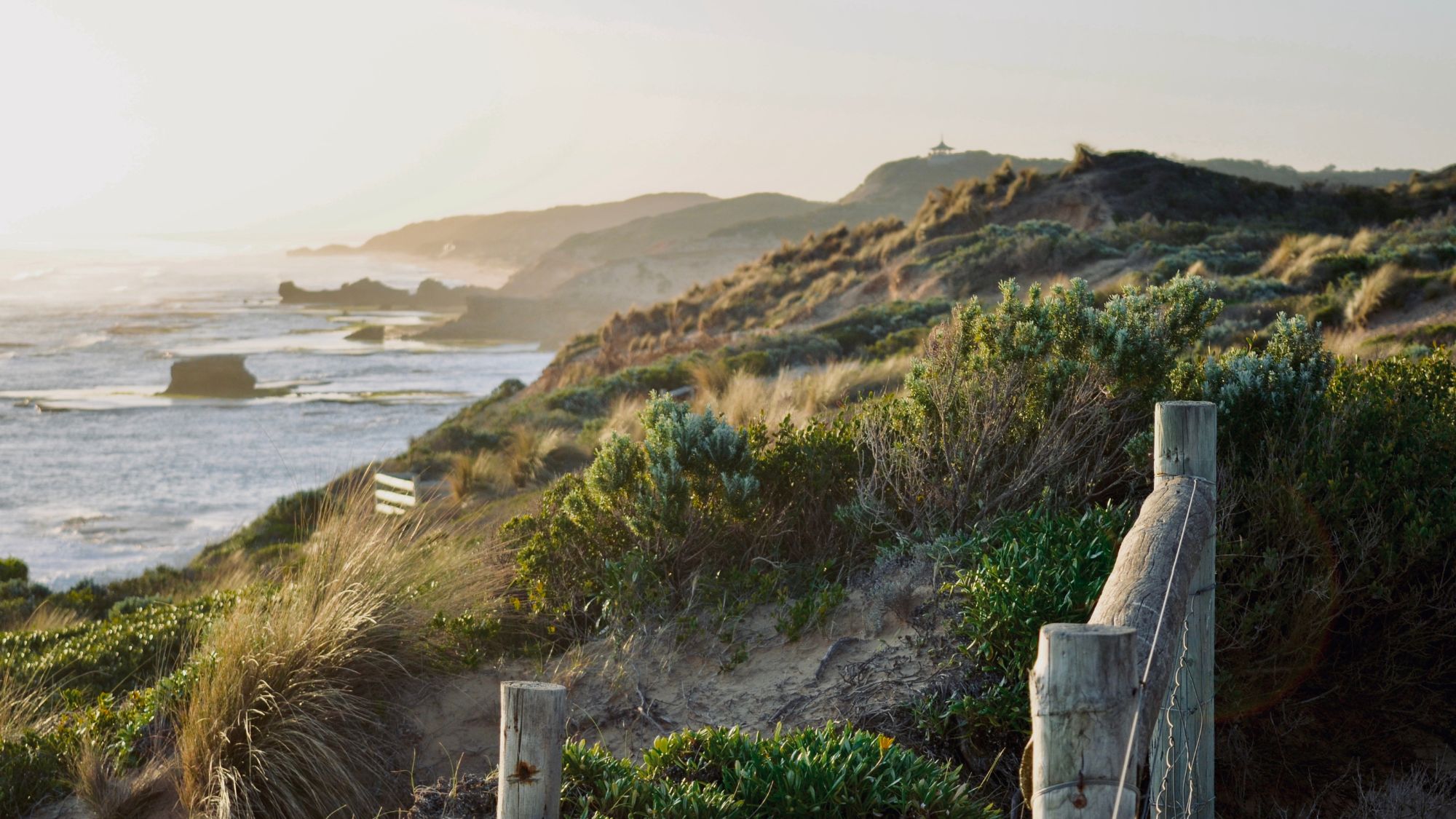
Just over an hour from Melbourne, the Mornington Peninsula feels like a world away. Nestled between Port Phillip Bay and the wild waters of Bass Strait, it’s a stunning blend of rugged coastline, rolling hinterlands, historic villages, thermal hot springs, and award-winning wineries.
Often referred to as a playground for naturalists, golfers, and gastronomes, this region offers a year-round escape that effortlessly balances luxury and nature. Whether you're soaking in mineral-rich hot springs, teeing off at world-class golf courses, sipping Pinot Noir under century-old gum trees, or hiking dramatic coastal trails—there's something for everyone on the Peninsula.
⛳ World-Class Golf Courses
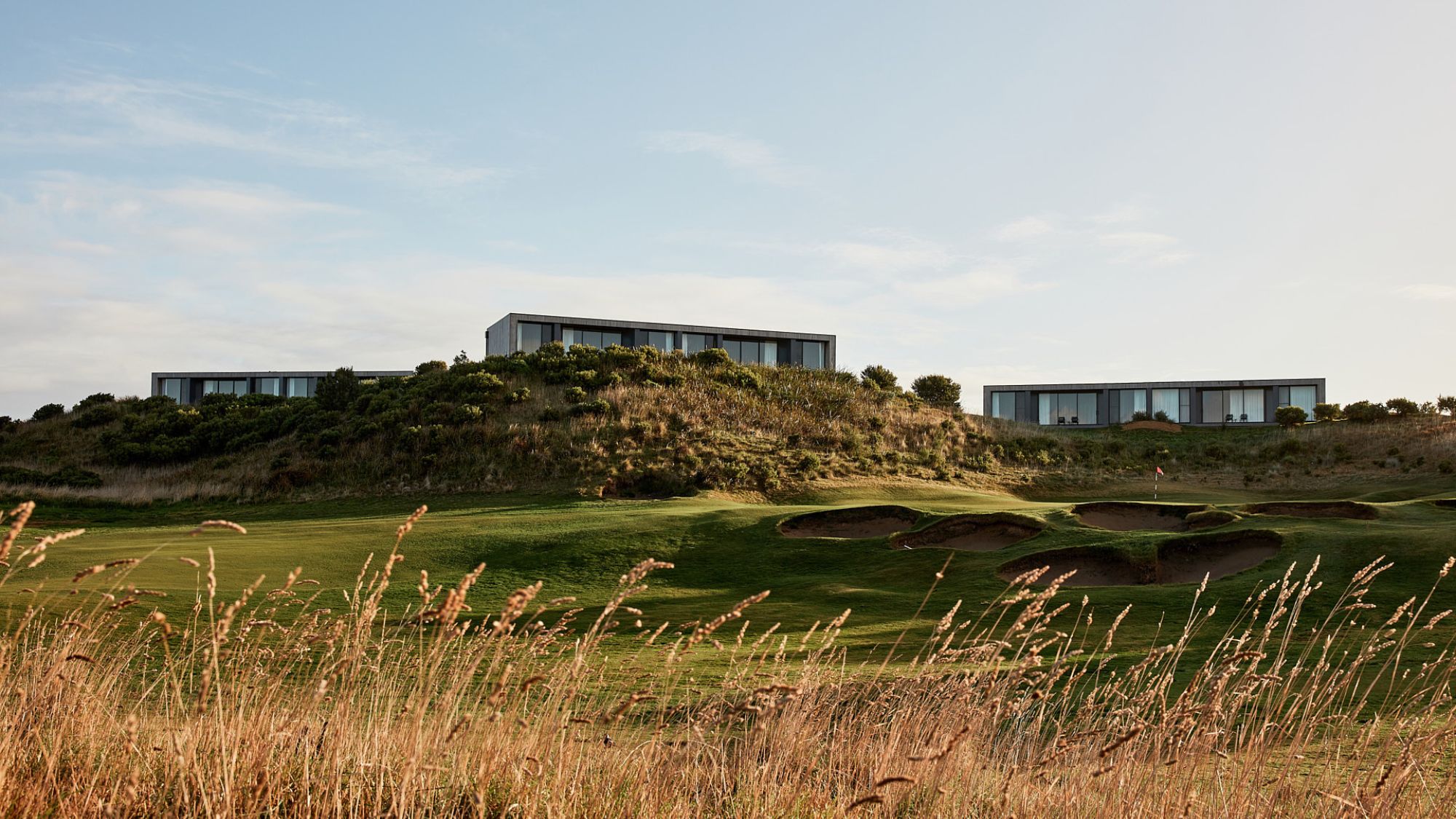
The Mornington Peninsula is a bucket-list destination for golf lovers, home to some of the finest public-access courses in the Southern Hemisphere.
🏌️♂️ St Andrews Beach Golf Course
- Consistently ranked among Australia's top public courses.
- Designed by golf legend Tom Doak, it offers a links-style layout that challenges even seasoned players with its fast greens and wind-swept fairways.
- Surrounded by dunes and native vegetation, the setting is wild, raw, and beautifully Australian.
🏌️♀️ The Dunes Golf Links
- One of the pioneers of championship golf on the Peninsula.
- With a challenging 27-hole layout (18 championship and 9 holes for casual play), it’s a course that rewards creativity and precision.
- Panoramic views, strategic bunkering, and firm fast greens make it a must-play.
🏌️ Moonah Links
- Home to two magnificent courses: The Open Course (designed for national championships) and the more forgiving Legends Course.
- The Open Course hosted the 2003 and 2005 Australian Open, and both layouts offer the full “Pro Tour” experience.
🌟 Top Things to Do on the Mornington Peninsula
The perfect location to golf, relax, explore, and indulge—these are the essentials away from the fairways:
🏞 Arthurs Seat
- Take the scenic Eagle Gondola Ride to the summit for sweeping views of the Peninsula, Port Phillip Bay, and on clear days, even Melbourne’s skyline.
- Bushwalking trails, picnic spots, and native wildlife make this a great half-day trip.
🏛 Point Nepean National Park
- A fascinating blend of military history, Indigenous culture, and coastal wilderness.
- Explore WWII forts and tunnels, bike or walk the scenic trails, and visit the Quarantine Station.
- At the very tip of the Peninsula, you’ll find The Rip, a dramatic and treacherous stretch of water known for its powerful currents.
♨️ Alba Thermal Springs & Spa
- The Peninsula’s newest wellness destination, combining geothermal bathing with contemporary spa experiences.
- Soak in over 30 curated bathing experiences set among beautifully landscaped gardens.
- Pack your swimwear and water bottle, your wellness experience aways.
🍇 Wine, Food & Local Flavours
The Peninsula is a paradise for wine lovers and foodies, especially those who value small-batch production and seasonal ingredients.
🍷 Avani Winery
- A second-generation, family-owned gem crafting biodynamic, minimal-intervention wines.
- Known for cool-climate Shiraz and experimental skin-contact whites.
- Tastings often hosted by the winemakers themselves, making this a truly personal experience.
🍺 St Andrews Beach Brewery
- Set in a converted horse training facility, complete with old stables turned into private drinking booths.
- Craft beers brewed on-site, wood-fired pizzas, and a relaxed outdoor vibe.
- Great for a laid-back afternoon after a round of golf.
🧺 Merricks General Wine Store
- A Peninsula institution since 1924.
- Combines rustic charm with gourmet excellence—part wine cellar, part deli, part art gallery.
- Try the charcuterie platter with a glass of Baillieu wine and soak up the countryside views.
🐟 Audrey’s at Sorrento
- A fine dining seafood restaurant by renowned chef Scott Pickett.
- Fresh, coastal, elegant—think local crayfish, sashimi-style scallops, and heirloom vegetables.
- The upstairs dining room offers stunning views over the Sorrento foreshore.
🧀 Plonk & Stink (Flinders)
- A quirky name for a serious cheese and wine experience.
- Curated artisanal cheeses from around the world, paired with boutique local wines.
- A must-visit for cheese lovers.
🖼 Point Leo Estate
- Where sculpture meets shiraz.
- This ultra-premium winery features an outdoor sculpture park with large-scale installations, an acclaimed restaurant, and striking architecture.
- The estate's wines are sophisticated, and the cellar door tasting experience is beautifully curated.
🎒 What to Pack for the Mornington Peninsula
The weather here can change in a heartbeat, especially with the Bass Strait’s moody temperament just around the corner. Here’s what to bring:
- Layers: Mornings and evenings can be chilly, even in summer.
- Rain jacket: For those spontaneous coastal downpours.
- Sturdy shoes: Great for bushwalking or winery wandering.
- Swimwear: For hot springs or one of the many beaches.
- Smart-casual outfit: Some venues (like Audrey’s or Point Leo Estate) lean toward the stylish side.
- Golf attire: Pack for all four seasons.
🧳 Final Word
The Mornington Peninsula isn’t just a place to visit—it’s a place to immerse yourself.
Whether you’re unwinding in a thermal spring, teeing off at dawn, or sipping wine as the sun sets over the vines, this coastal escape has a way of reminding you to slow down, breathe in the sea air, and truly savour the moment.
So plan your packing, ladies leave room for plenty of shopping, and get ready to fall in love with one of Australia’s most enchanting regions.

Whether it’s teeing off at the iconic Old Course at St Andrews in Scotland or trekking to the ancient citadel of Machu Picchu in South America, most of us have a travel bucket list. In today’s era of viral travel trends, some truly extraordinary destinations are capturing global attention and quickly rising to the top.
As guests of our Kenya Golf Tour recently experienced, now we know why Africa regularly tops the list. Here are four reasons why this tour is not to be missed.
ONE: Fabulous Golf Courses
Karen Golf Course
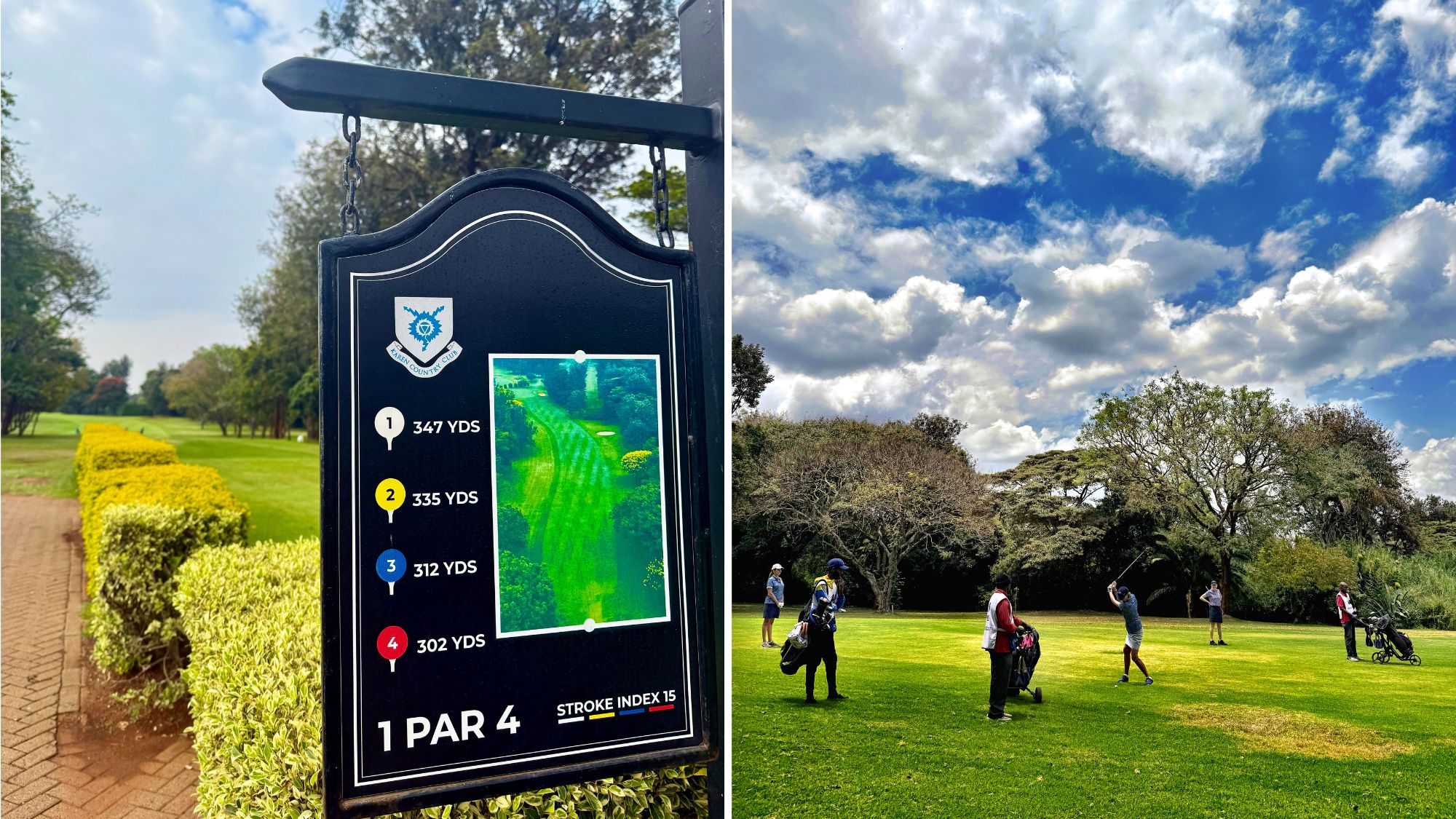
It was a delight to play at this magnificent course which is nestled against the scenic backdrop of the Ngong Hills. Lined with a rich variety of trees and indigenous forest, its picturesque landscape is as captivating as the game itself. Karen is also known as the premier club of choice for Kenya’s elite — including wealthy residents, politicians, and dignitaries.
After our round, the Lady Captain graciously introduced herself and invited us to join the members for wine and nibbles overlooking the 18th green — a warm and memorable touch. While photography of members was not permitted, I did manage to discreetly capture a few shots out on the course.
Muthaiga Golf Course
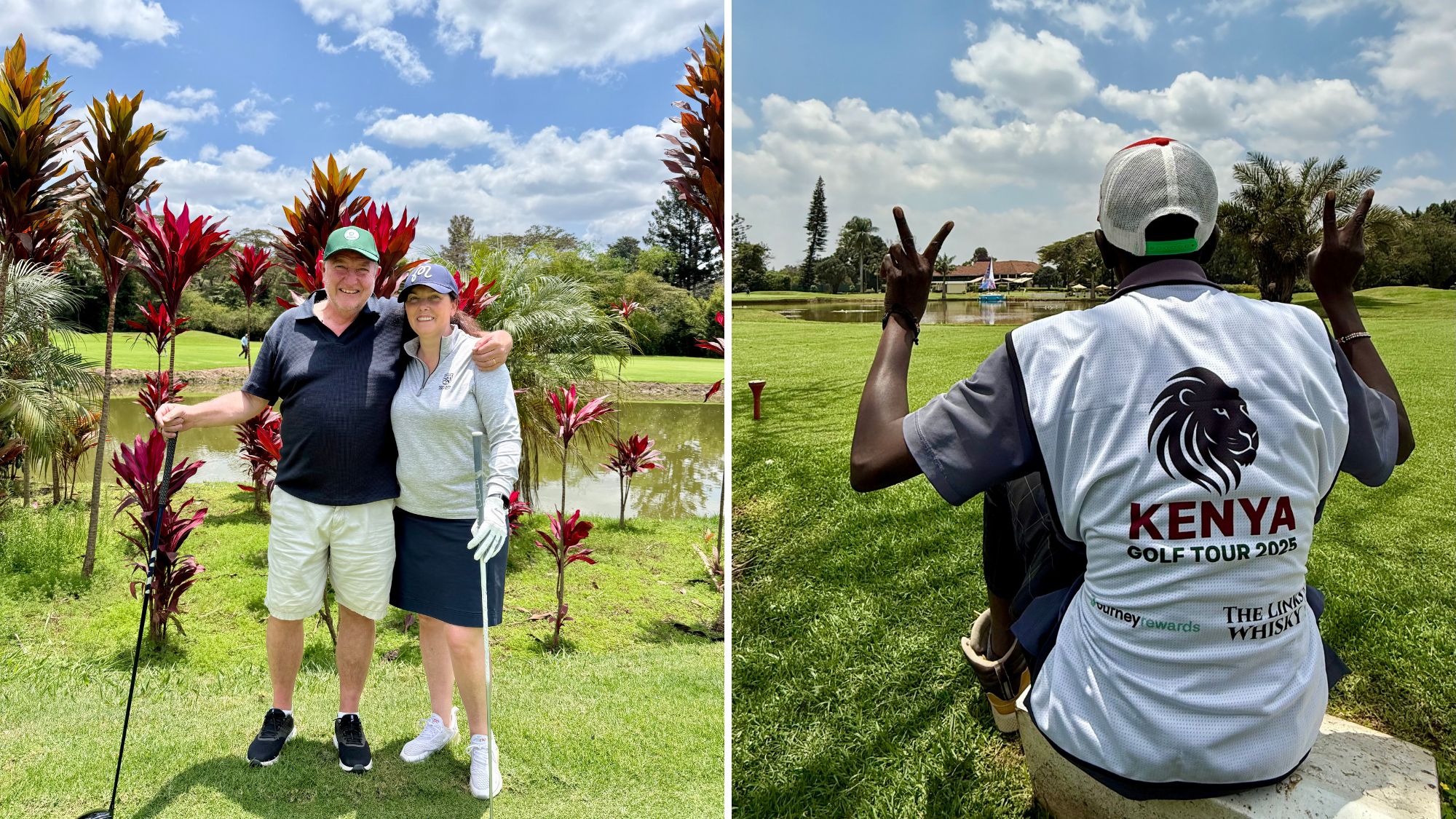
Often referred to as the "Home of Golf" in Kenya, Muthaiga lives up to its prestigious reputation and elite membership. In true fashion, we were bumped from our original tee time to accommodate a group of politicians eager to play — a fitting reminder of the course’s high-profile allure.
Every hole on the course is picture-perfect, offering a scenic and memorable round from start to finish.
The pro shop was just as impressive. Before we even teed off, several of us had already indulged in some retail therapy — stocking up on hats, pins, and their signature green-and-white striped logo umbrella. At just $30 Australian dollars, it was a stylish bargain we couldn’t resist.
Sigona Golf Course

This was golf on another level — challenging, strategic, and unforgettable. The signature 3rd hole, a dramatic par 3, truly stole the show. It demands precision from the tee: a carry over water, followed by a steep ascent onto a narrow platform ringed with bunkers — and that's just the beginning. From there, you're faced with one final climb to reach the green, guarded yet again by more bunkers.
It’s no wonder this hole draws a peanut gallery — it’s a test of nerves and skill and thrilling to watch unfold.
Vipingo Ridge
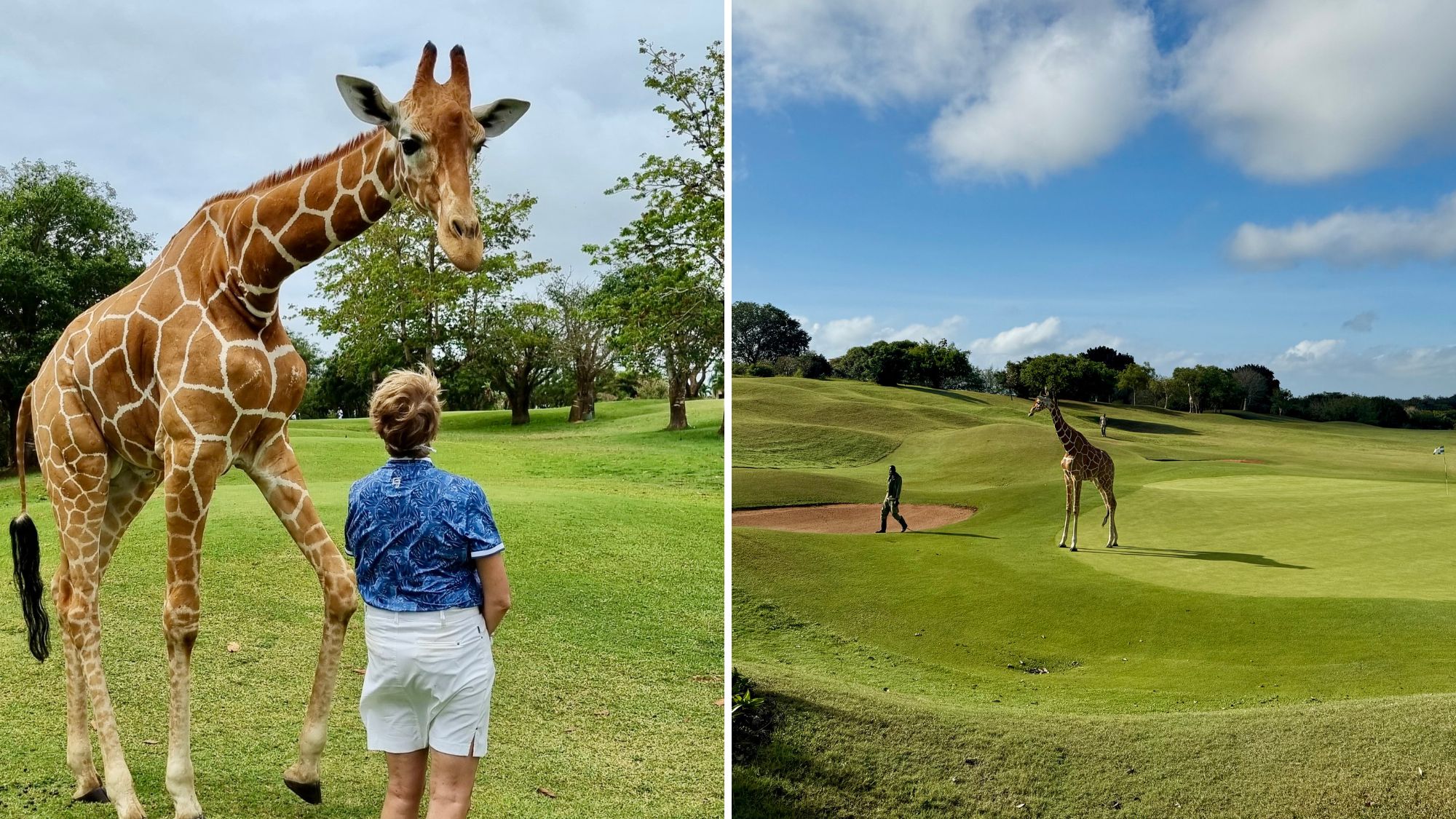
This was hands-down the crew’s favourite course — and for good reason. From start to finish, it delivered a one-of-a-kind experience that went far beyond golf. Wildlife seemed to be on speed dial, with animals appearing around nearly every corner, adding a surreal charm to the game.
The course itself is no walk in the park — challenging yet rewarding, with each hole offering something distinct. I posted a photo of a giraffe strolling across the 9th green, and so many people assumed it was AI-generated. WRONG. It was 100% real — and that’s the magic of Vipingo Ridge. You truly must see it to believe it.
Highlight: Caddies That Coach

One standout feature across all the courses was the inclusion of caddies — and not just bag carriers, but genuinely skilled players and on-course coaches. It was some of the best guidance I’ve ever received during a round. Three out of my four caddies played off handicaps under 15, and their insights were game-changing.
At Vipingo, my caddy Fatima was especially memorable. She was completely invested in helping me improve, offering tips and encouragement every step of the way. I lost count of how many times she passionately reminded me, “Macho quanpira!” — which, as she explained with a smile (and a little exasperation), means eyes on the ball.
On a few too many occasions I also heard her giggle, “Napata Sheeda” which also means terrible shot.
TWO: Finding The "Big 5"... and The Ugly 5
Everyone talks about spotting the Big 5 — lion, leopard, elephant, rhinoceros, and buffalo — and yes, we found them all. But we took just as much delight in hunting down what we called the Ugly 5.

- Wildebeest – Despite their looks, they’re smart, with an excellent sense of smell. Zebras often follow them, trusting them to find the freshest grass.
- Warthogs – Always entertaining, especially as they have poor memory. They can be chased by a lion, and within 15 seconds forget why they are running.
- Marabou Stork – Nicknamed “the undertakers” for their hunched posture and bald heads — and because they feed on carrion.
- Vultures – Not winning any beauty contests either, and usually found loitering around a kill, waiting their turn.
- Hyenas – The cleanup crew of the savannah, always ready to finish off what others leave behind.
Each day, we held a friendly competition for the best wildlife photo. The animals were incredible, and the sheer abundance was something else — but nothing compared to the sight of a Kenyan sunset, silhouetting the iconic Balanite trees.
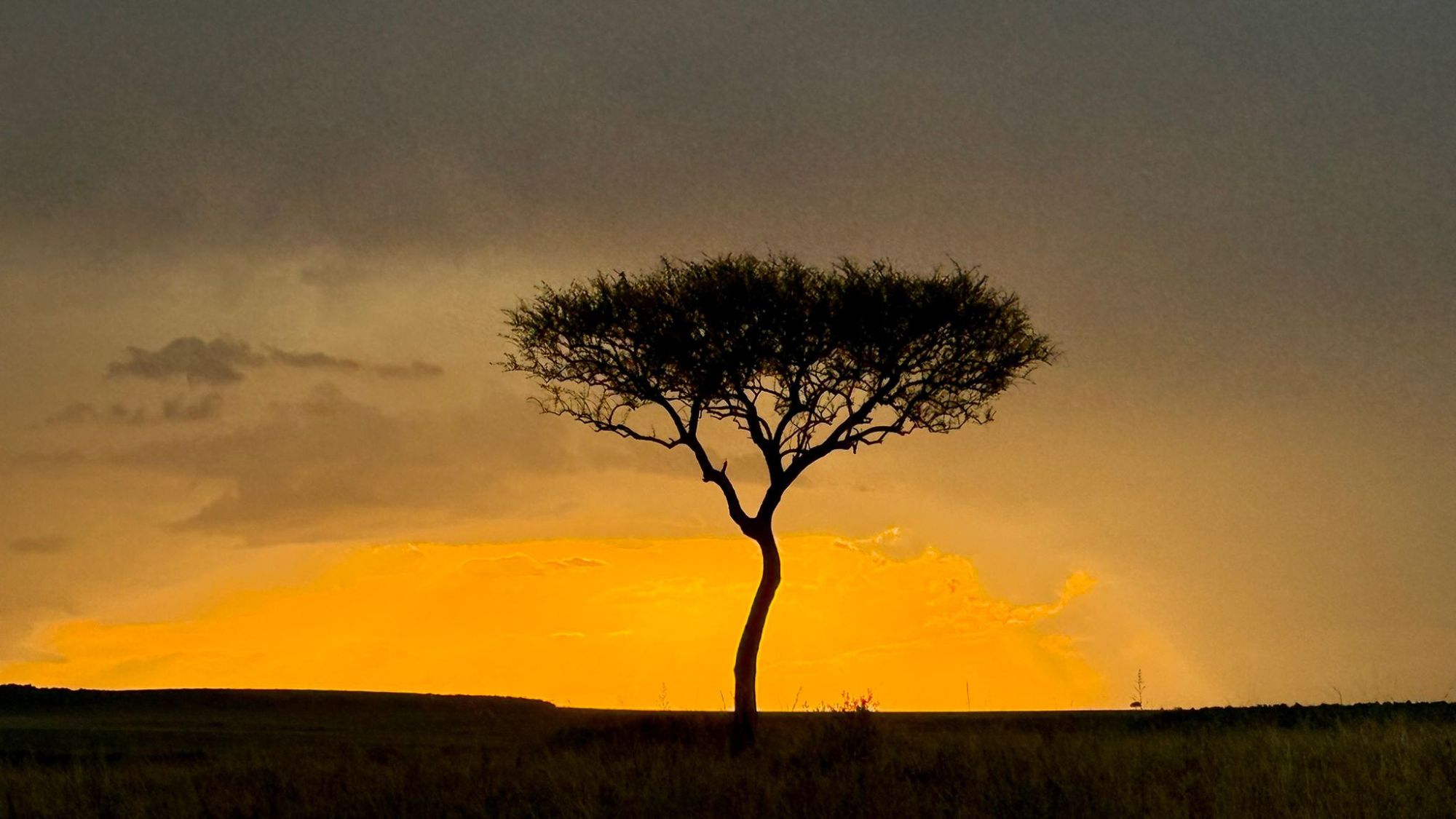
One of our guides, Tony Yegon, was a driving encyclopaedia, we flooded him with questions, and we devoured his answers.
There were countless highlights, but one of the most memorable came on our second day: a baby boom on the plains. We spotted young elephants, playful lion cubs, and tiny zebras taking their first, wobbly steps. It was pure magic — a heartwarming reminder of the wild’s raw beauty and new beginnings.
Just when we thought we’d seen it all, Day 4 delivered what we dubbed “The Day of the Kills.”

It began with a leopard stealthily taking down an impala, then effortlessly dragging its prize up a tree to feast in peace. Not long after, we witnessed two male lions ambush a baby hippo along the riverbank — a rare and powerful display of strength and strategy. And then came the grand finale: a cheetah, moving with breathtaking speed, took down a gazelle right before our eyes.
Three of Africa’s iconic big cats — leopard, lion, and cheetah — each delivering a live-action spectacle we’ll never forget.
Highlight: Finding The Elusive Leopard
One of the Big 5 — and arguably the hardest to spot — the leopard is the true master of camouflage. But our guides didn’t disappoint.
Word came through of a leopard resting beneath an acacia bush, and the excitement was instant. What followed was nothing short of hilarious: a full-blown safari-wide game of “Where’s the Leopard?” Each jeep had its own strategy, with voices crackling across the open plains. From our vehicle, we used the clock method, “Look at 12 o’clock — Now go a metre to the left — see the really green bush, it’s hiding in there!”
And sure enough, there it was — draped in the shade, perfectly still, and utterly magnificent. Its eyes, golden and piercing.

For a moment there we had to remind ourselves we were actually on a golf tour.
THREE: Making a Difference
One of the most humbling experiences for our group was visiting Kibera, Africa’s second-largest slum, home to over one million people. Through a powerful cultural immersion organised by The Mirror of Hope — an incredible charity dedicated to creating opportunities through education — we gained a deeply moving perspective on life here.
Accompanied by my wonderful guide, Purity, we purchased food and helped prepare a meal for a family of six. I also donated some children’s books and had the joy of reading to young Magesh, a bright-eyed seven-year-old. His excitement as he learned about kangaroos and the kookaburra’s famous laugh was unforgettable — a beautiful reminder of the power of education and connection.

We shared a meal of Ugali, a traditional local dish, accompanied by scrambled eggs, sautéed kale, fresh chopped salad, and fried fish — all delicious and made with care. Purity, who grew up in the slums herself, now teaches Fashion and Design to teenage single mothers. In her own words, “Here in the slums, there is talent, there is hope — we just need the platform to be seen.”
The Mirror of Hope began its mission in 2010 and has since sponsored over 500 children. Remarkably, it costs just $1,000 to provide a child with a full education — the equivalent of skipping four coffees a week. A small investment that changes lives.
FOUR: Forging Friendships Far Beyond The Fairways
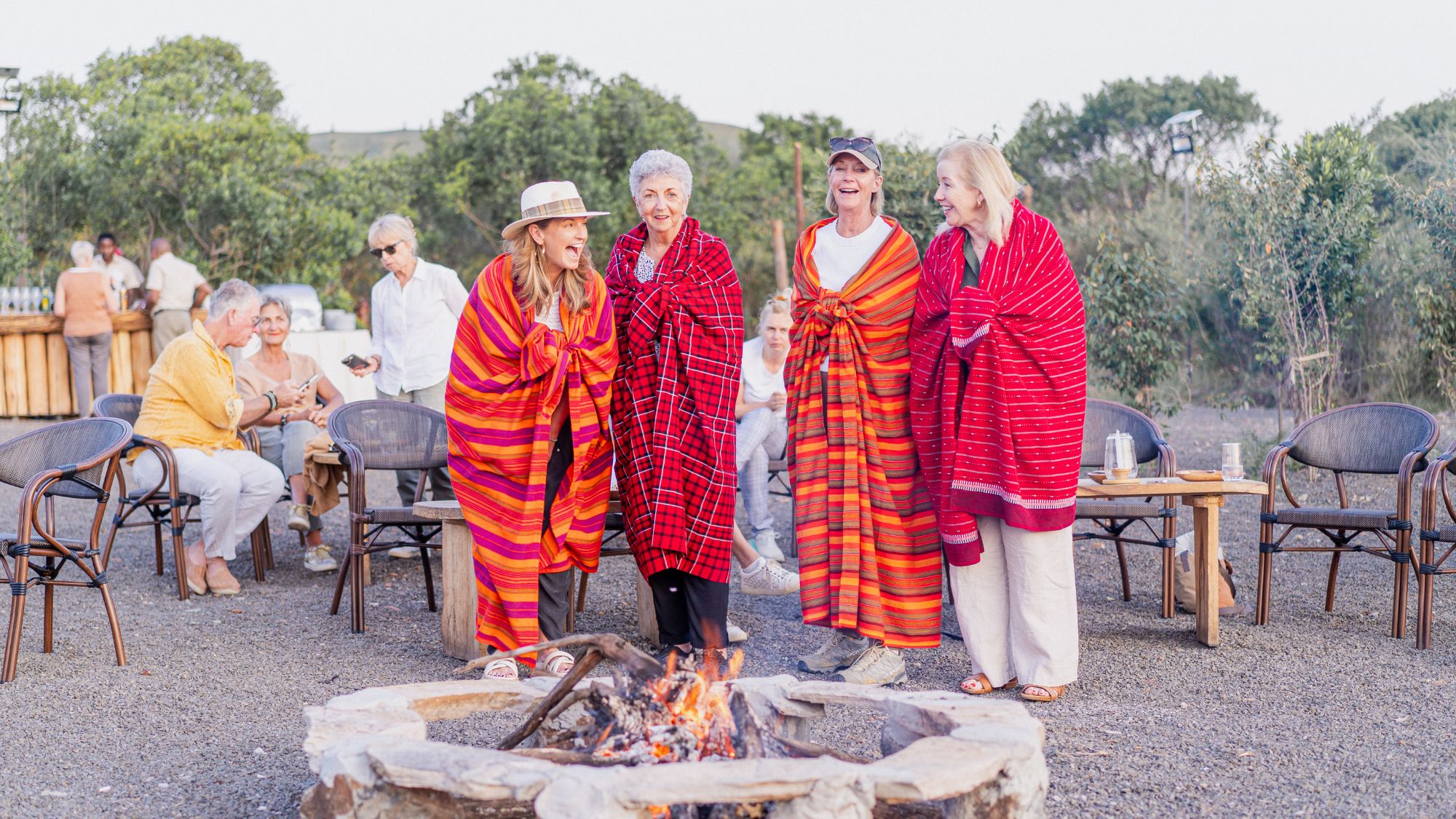
It wasn’t only the golf or animals that has made this a truly unforgettable experience, it was the warmth of the African people. While service can move at a leisurely pace, and the occasional order is misunderstood, it’s always delivered with a beautiful Kenyan smile.
One of my favourite parts of the trip was creating a personal Swahili phrasebook. Each day, a staff member or one of our guides would teach me a new word or phrase. Here are a few of my favourites:
- "Asante Sana” — Thank you very much. I found that making the effort to speak their language made us feel even more welcome.
- “Pole, Pole” — Slowly, slowly. This perfectly sums up the rhythm of African time. Here, life moves to its own beat, and we could all benefit from slowing down, soaking it all in, and truly enjoying the experience.
Our group hailed from all parts of Australia. A big shout out to the following. Thanks to Rose Matulin, those safari outfits were outstanding. Erica Lamming for her entertaining commentary on the greens after making several 3 putts, John Cheeseman, we’ve stolen all your photos and claimed them as our own. Thanks for the laughs, Regina Beliavskiene, now affectionately known as the penguin lady. On safari she had the jeep in stitches after confusing the Marabou Stalks for penguins.
Then there’s Jacob Hastings, one of tour leaders, his infectious laugh could be heard for miles across the Mara. The 32-year-old was also sponsored by Adventure Out Loud, after being orphaned at the age of 11. He too grew up in Kibera and was abandoned and left to care for his 3 year old sister and 7 year old brother on his own.

He’s exceptional gratefully for his sponsorship, which helped him finish school, attain a degree in Economics, care for his siblings, and raise his own family. Jacob named his 6 year old son after Nate Taiaroa, founder of Adventure Out Loud.
Highlight: A Conga Line Like No Other
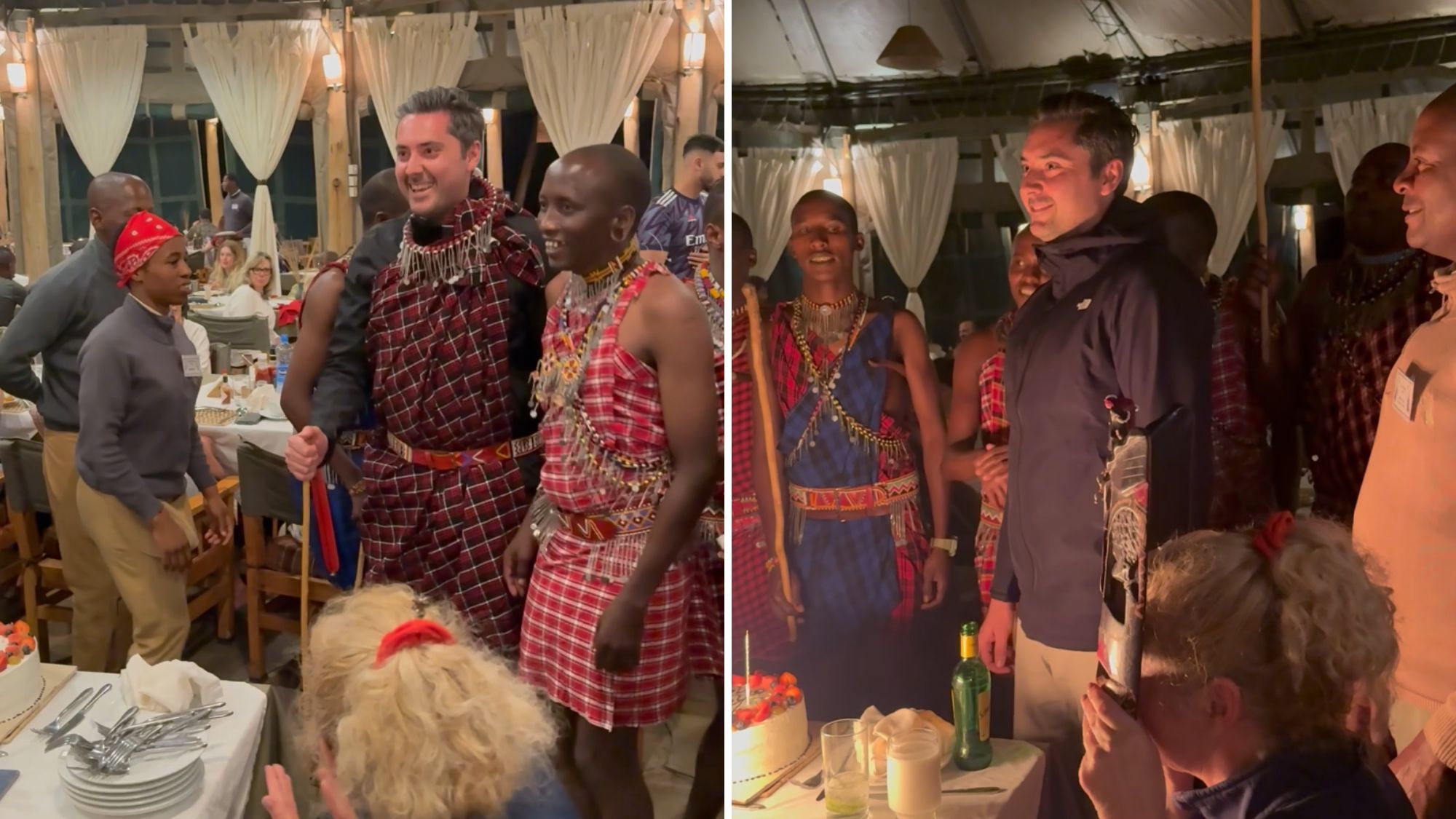
One of the most enjoyable moments came during a surprise birthday celebration for our tour leader and Golf Journeys founder, Mark Hawley. The evening was capped off by a conga line that no one saw coming!
Mark was honoured with his own Swahili name: Kamoa, meaning Quiet Warrior. It couldn’t have been more fitting for someone so kind, generous, and quietly inspiring. An incredible leader who brought us all together for a journey we’ll never forget.
This experience will stay with us long after the final roar of the lions in the Maasai Mara… and long after the cheers from those who successfully cleared the water on Hole 3 at Sigona.

If you think Kenya is calling you, then click on this >> link << and join me next September where we’ll relive it all over again.

In late August, nearly 80 ladies from golf clubs throughout the region gathered at Queenscliff Golf Club, on Victoria’s Bellarine Peninsula for the 45th annual Golden Putter tournament. Golf Journeys provided a special prize pack for one of the lucky participants.
The four-ball stableford format had pairs buzzing with excitement, particularly knowing this year marked a special milestone with a refreshed prize structure. For over four decades, the Golden Putter has been one of the club's signature ladies' events, originally conceived to bring together female golfers from across the local area for a day of competition and camaraderie.

The tournament's namesake prize, a brass putter dipped in gold plating, is somewhat legendary, though modern metallurgy has meant the traditional gold-plated putters can no longer be created as they once were.
"We can't plate the modern putters like we used to," explained General Manager Robert Aulich. "This year, our winning pair will each receive brand new putters instead, a fitting upgrade for our 45th anniversary."
The Queenscliff course itself provides a stunning backdrop, its unique position on an island built by drifting sand offering ever-changing vistas as you work your way around the course. The course's membership has grown from 300 to over 400 in recent years, drawn by word-of-mouth about the improved conditions.
Despite challenges from king tides flooding fairways and the ever-present kangaroo population that emerge each evening, the course has maintained its reputation as a hidden gem.
As players completed their rounds at the 45th Golden Putter, the winning team from Clifton Springs Golf Club celebrated their victory, embodying the tournament's enduring spirit of friendly competition and regional golf camaraderie.
The Golf Journeys prize pack, which included a $500 gift voucher, was won by local resident, Maree Greg. “It’s an awesome prize and I’m just delighted to have received it.”
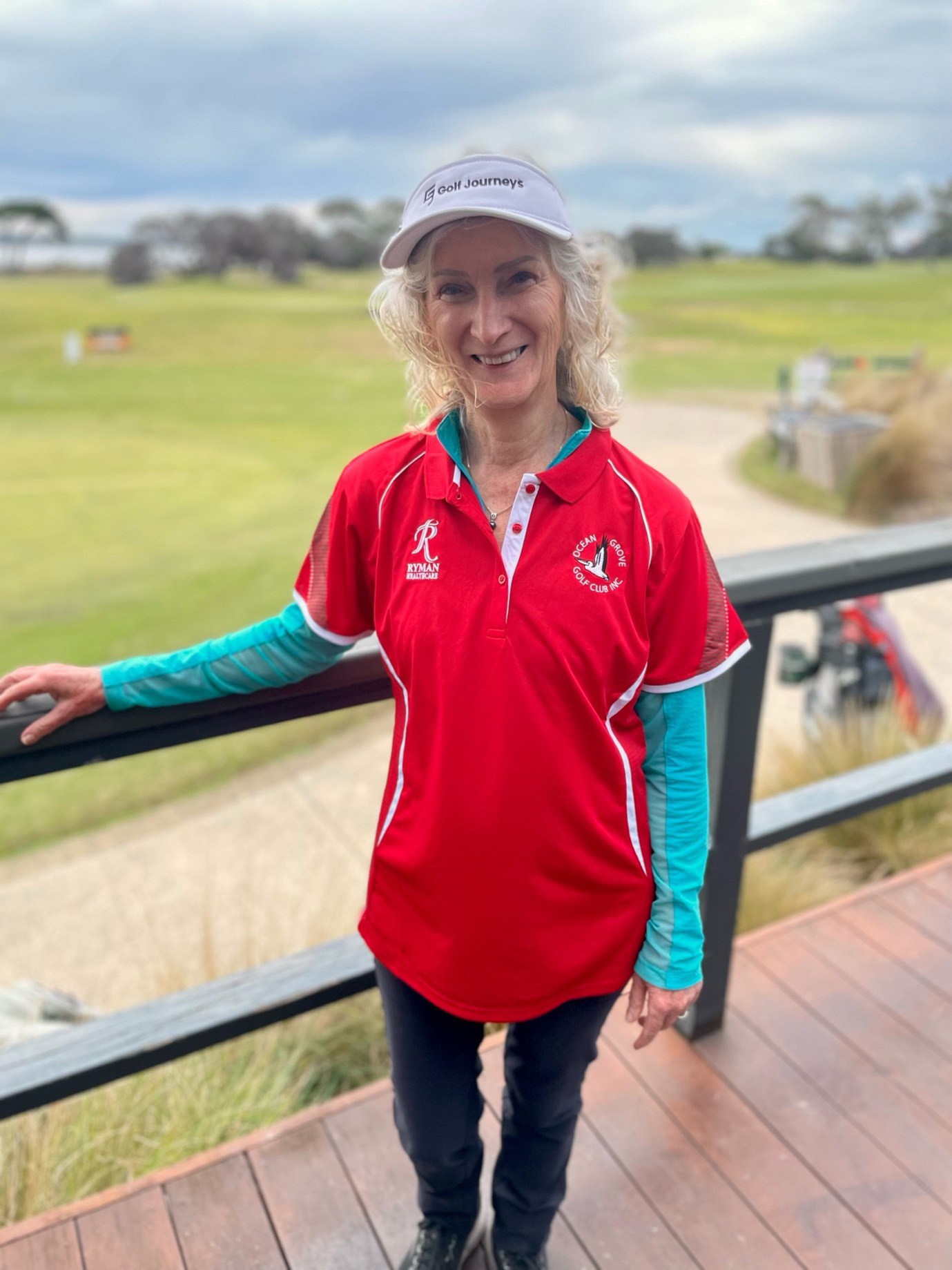
Maree is looking forward to booking her first overseas golf trip.
Golf Journeys is all about supporting community and this great game that we all love to play.
.jpg)
South Africa evokes some very special memories for me, as I was lucky enough to marry there over 25 years ago. Returning there will fill my heart with happiness. I am sure, you too, will be mesmerised by this magnificent country, affectionately known as the "Rainbow Nation.” A term coined by Archbishop Desmund Tutu to describe post-apartheid South Africa.
It is a land of breathtaking contrasts, where dramatic natural beauty coexists with a rich and complex cultural tapestry. From the iconic flat-topped Table Mountain overlooking the vibrant city of Cape Town to the sweeping fairways which hug the coastline. Its country’s landscapes are as diverse as its people.
Cape Town
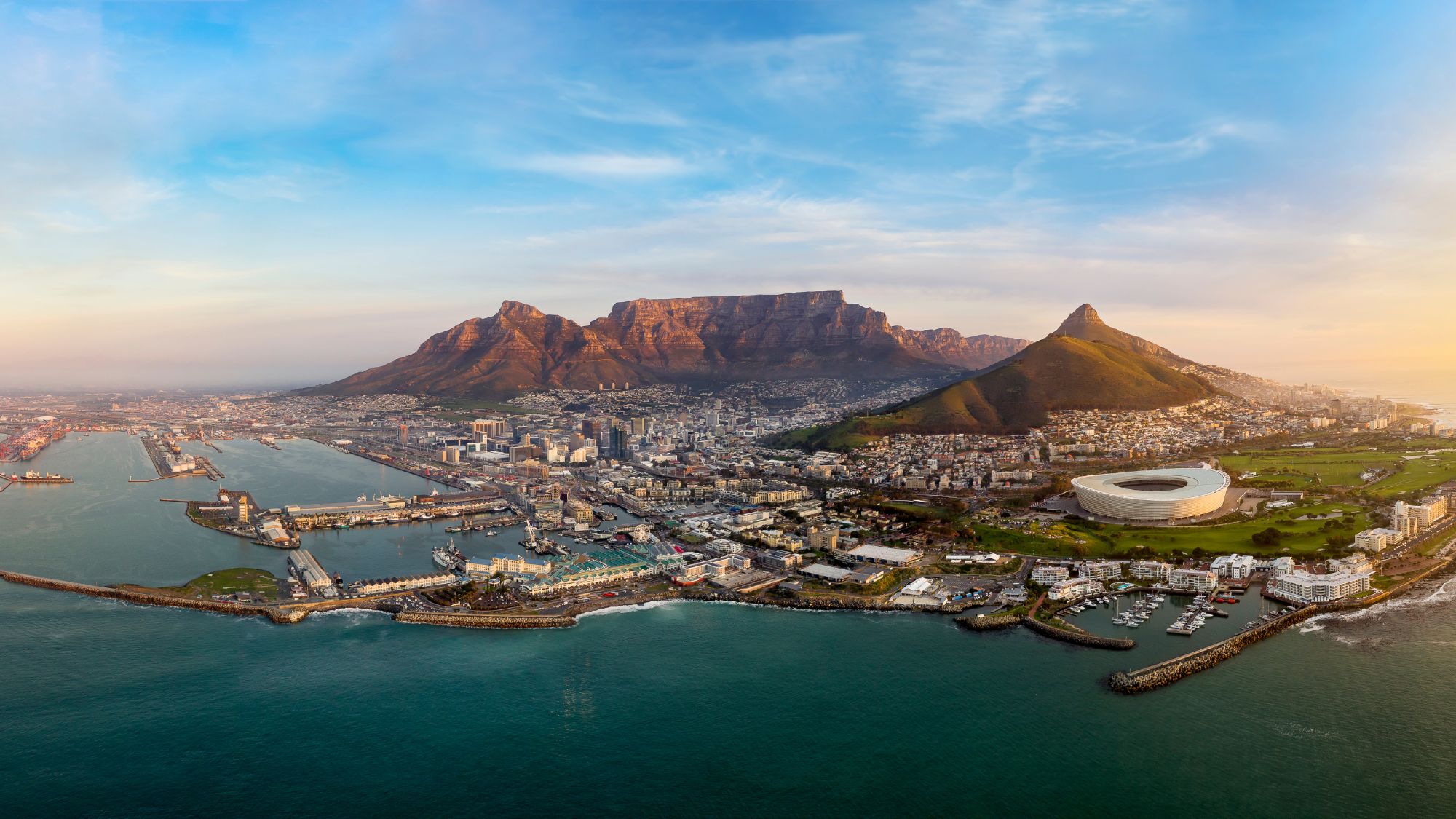
If cities were romances, then Cape Town would be the love at first sight kind.
Named the best city in the world by Time Out in 2025. It’s combination of stunning natural beauty and vibrant culture make it a showstopping destination to visit. Cape Town was originally developed as a supply station for Dutch ships sailing to East Africa, India, and the Far East. It reflects a diverse blend of Dutch, British, Malay, and African influences.
Views and Atmosphere: There's a strong sense of art and creativity, with numerous art galleries, street art, and live music venues.
What to do when we’re not on the golf course?
Relax at Clifton 4th beach
Take the cable car up to Table Mountain
Afternoon Tea at Mount Nelson
Tour of Robben Island – where Nelson Mandela was imprisoned for 18 years.
Hike Signal Hill and Lions Head
Explore Oranjezicht Market
Visit the penguin colony at Boulders Beach
Where to eat?
The Waterside – exotic tasting menu with iconic bay views
Tang – Refined Cantonese cuisine inspired by Japanese izakaya dining
Club Kloof – funky brunch spot with views of Table Mountain
The Red Room – James Bond vibes at this swanky Mount Nelson hideaway
Salsify – Award winning restaurant with sweeping views of the Atlantic Ocean
Hacienda – Spirit of Baja California brought to the tables of Cape Town
Don’t miss these culinary experiences, make sure you book ahead.
Stellenbosch and Franschhoek
Cape Winelands Capital
These unique towns combine historical roots with picturesque mountain scenery. Stellenbosch, the second oldest town in South Africa is famed for its old wine route and award-winning Bordeaux style red wines. Franschhoek is recognised as the country’s food and wine capital.
What to do?
Visit the Dylan Lewis Sculpture garden at the base of the Stellenbosch mountains
Ride the wine tram at Franschhoek
Enjoy local shopping at Franschhoek
Explore the historic Dutch village of Stellenbosch
Stroll Lanzerac Estate – steeped in history dating back to 1692
Unwind and rejuvenate at the Lanzerac Spa – a relaxation hideaway
George

The Garden Route’s Scenic Heart
Nestled between the Outeniqua Mountains and Indian Ocean, George is a captivating gem on South Africa’s renowned Garden Route. It blends historical heritage with breathtaking landscapes.
What to do?
Enjoy the spa retreat at Fancourt – inspired by the harmony of air, water, fire and earth.
Transport Museum – a fascinating collection of steam locomotives, carriages and vintage cars.
Redberry Farm – a stunning location to pick strawberries and navigating the Southern Hemisphere’s largest hedge maze.
Old Toll House – Step back in time and enjoy some pancakes at this preserved gem nestled in the mountains of the Outeniqua Mountains.
South Africa - When to visit?
South Africa shines from November to April, think sunny days, magical sunsets, long vineyard lunches and exceptional golf weather.
What to pack?
To make the most of your adventure, pack versatile clothing suitable for both the activities and the climate. Essentials include golf clubs, comfortable shoes, and sun protection for golf, along with neutral-coloured clothing, a hat, and binoculars for game drives. Don’t forget personal items such as medications, a camera, and adapters for your electronics. Power adapters in South Africa include types D, M, and N. Type D (three large round pins) is the most common, but it’s best to bring a universal adapter to avoid any issues.
Weather in South Africa – What to Expect
South Africa is a year-round destination, but from November to April, you’ll enjoy long sunny days, balmy evenings, and ideal conditions for both golf and sightseeing. Thanks to its diverse geography, weather patterns vary between regions — here’s what you can expect across your itinerary:
Top Tip: While the days are warm and sunny, evenings — especially inland or near the mountains — can cool off, so a light jacket is a smart addition to your packing list.
Tips for a Smooth Trip
- Tipping: Tipping is customary. A 10-15% tip is standard for good service at restaurants. Caddies and luggage porters also appreciate a tip.
- Passport: Carry a photocopy of your passport and relevant travel documents.
- Safety: Be aware of your surroundings, especially in crowded areas. Secure your valuables and avoid carrying expensive items.
With this comprehensive guide, you'll be well-prepared to enjoy the perfect balance of challenging golf, spectacular scenery, and rich cultural experiences that South Africa has to offer.
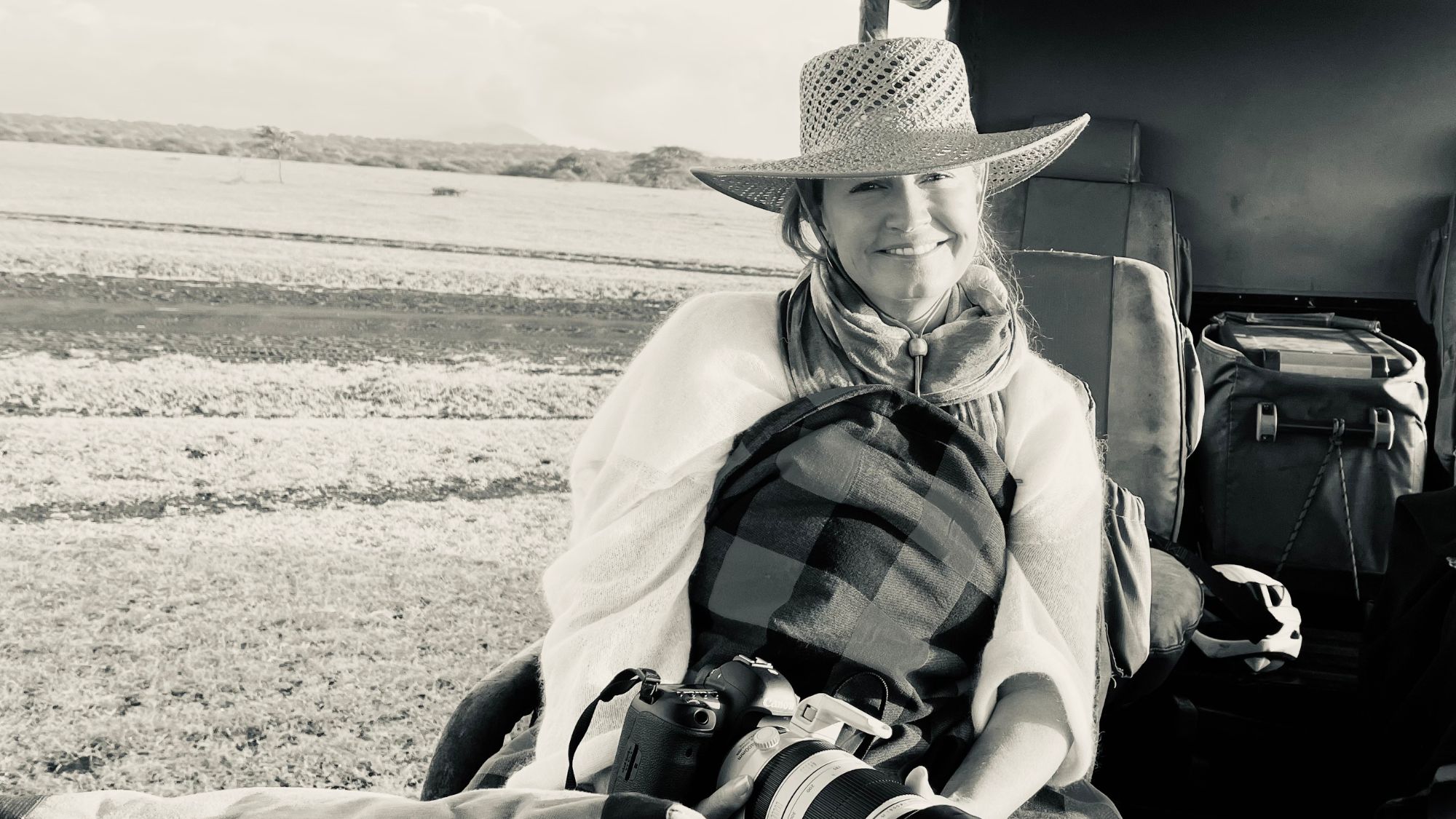
This journey will have you coming back to this spellbinding country for more. I promise. Enjoy your tour!

Jakarta is a vibrant megacity brimming with history, diversity and modern-day energy. But beyond the skyscrapers and street food lies a culture built on respect, tradition and warm hospitality. Whether you're visiting for a few days or settling in for longer, understanding how to navigate both the streets and social customs will enrich your experience tenfold.
This guide covers exactly what you need: where to go and how to fit in.
How to Fit In: Cultural Etiquette in Jakarta
Respect Is Everything
Hierarchy matters in Indonesian culture. Always show deference to elders or anyone in a senior position—whether it’s a boss, hotel staff, or a local you’ve just met. A soft greeting, a smile, and a slight nod go a long way. Handshakes are common but should be gentle and always done with the right hand.
Avoid loud or confrontational behaviour—calmness is seen as a sign of self-control and respect.
Right Hand Rule
This one’s non-negotiable: use your right hand only when passing items, handing over money, giving gifts, or eating. The left hand is considered impolite.
Dress Modestly
Light, breathable fabrics are perfect for Jakarta’s humidity, but be mindful to cover your shoulders and knees, especially when visiting religious sites. For business or more formal outings, stick with conservative, neat attire.
Mind Your Shoes
When entering a home, mosque, temple or even some small businesses, remove your shoes. Just follow the host’s lead—if there’s a shoe rack by the door, it’s your cue.
Smile Often, Speak Softly
Indonesians are known for their warmth and friendliness. Greeting others with a genuine smile and soft tone sets the right tone for any interaction.
Useful Phrases:
- Halo – Hello
- Selamat pagi – Good morning
- Selamat siang – Good afternoon
- Selamat malam – Good evening
- Apa kabar? – How are you?
- Baik, terima kasih – I’m fine, thank you
Polite terms:
- Bapak (Sir/Mr.)
- Ibu (Ma’am/Mrs.)
Example:
“Selamat pagi, Bapak!” (Good morning, Sir)
“Terima kasih, Ibu.” (Thank you, Ma’am)
Before eating:
Say Selamat makan (Enjoy your meal) or Mari makan (Let’s eat) if inviting someone to join.
What to Do: 10 Must‑See Places in Jakarta
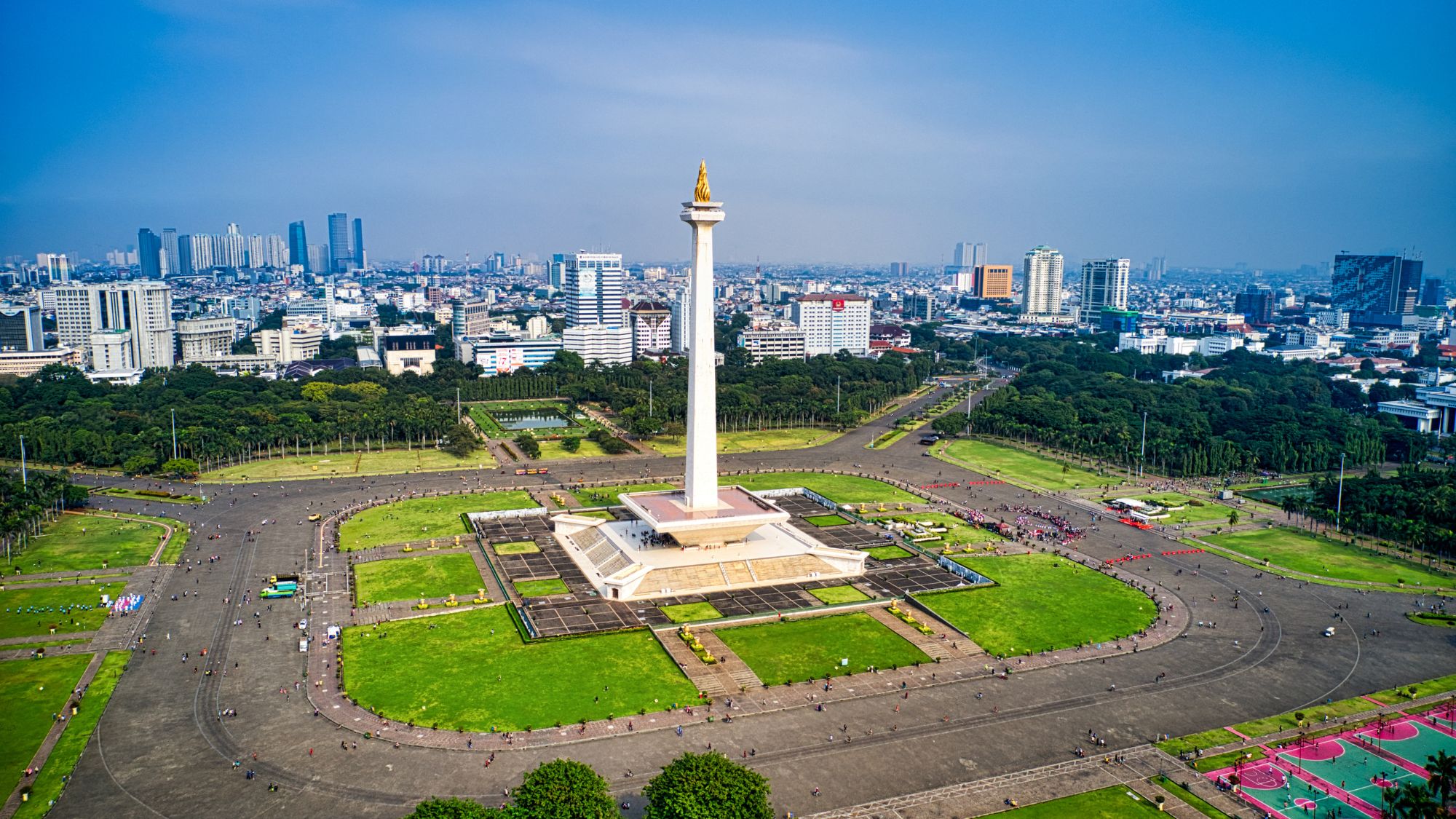
Now that you’ve got the etiquette down, it’s time to explore. These ten places offer a well-rounded taste of Jakarta’s past, present and natural beauty.
1. National Monument (MONAS)
A towering icon of Indonesian independence, complete with a viewing deck offering panoramic city views.
2. Jakarta History Museum (Fatahillah Museum)
Step inside the colonial-era heart of Jakarta and trace its transformation from Batavia to bustling capital.
3. Kota Tua (Old Town)
Dutch colonial architecture, cobbled streets and cool cafés make this a favourite spot for both history buffs and Instagrammers.
4. Istiqlal Mosque
The largest mosque in Southeast Asia, symbolising religious unity and national pride—open to all respectful visitors.
5. Taman Mini Indonesia Indah
Get a snapshot of Indonesia’s cultural diversity in this huge park featuring traditional houses, museums and performances from across the archipelago.
6. Ancol Dreamland & Beach
Jakarta’s coastal escape: theme parks, an oceanarium, live shows and breezy beach spots make this a family favourite.
7. National Museum of Indonesia
Perfect for understanding the archipelago’s deep history, from prehistoric artefacts to cultural treasures.
8. Chinatown (Glodok)
Wander through markets, sample local Chinese-Indonesian dishes, and discover temples tucked between shops and alleys.
9. Thousand Islands (Kepulauan Seribu)
Take a boat north of Jakarta for turquoise waters, palm-fringed shores and a slice of island serenity—perfect for a weekend getaway.
10. Thamrin 10 Food & Creative Park
A modern food court in central Jakarta that’s packed with stalls, live music and buzzing social energy. Great for dinner or casual meet-ups.
What Things Cost in Jakarta
Here’s a quick look at typical local prices so you can budget like a pro:
Tip: Tipping isn’t mandatory but always appreciated—especially for drivers, guides and hospitality staff.
Final Thoughts
Jakarta is so much more than just a stopover or a business hub—it’s a city pulsing with culture, contrasts and community. From its grand monuments and historic streets to island escapes and vibrant local life, Jakarta offers something memorable at every turn.

By embracing local etiquette—whether it’s offering a smile, using your right hand, or dressing respectfully—you’ll not only show cultural sensitivity but also open doors to genuine connections. And with these top attractions in your itinerary, you’ll experience the capital in all its complexity and charm.
So take it slow, stay curious, and enjoy Jakarta not just as a visitor—but as someone who truly fits in.
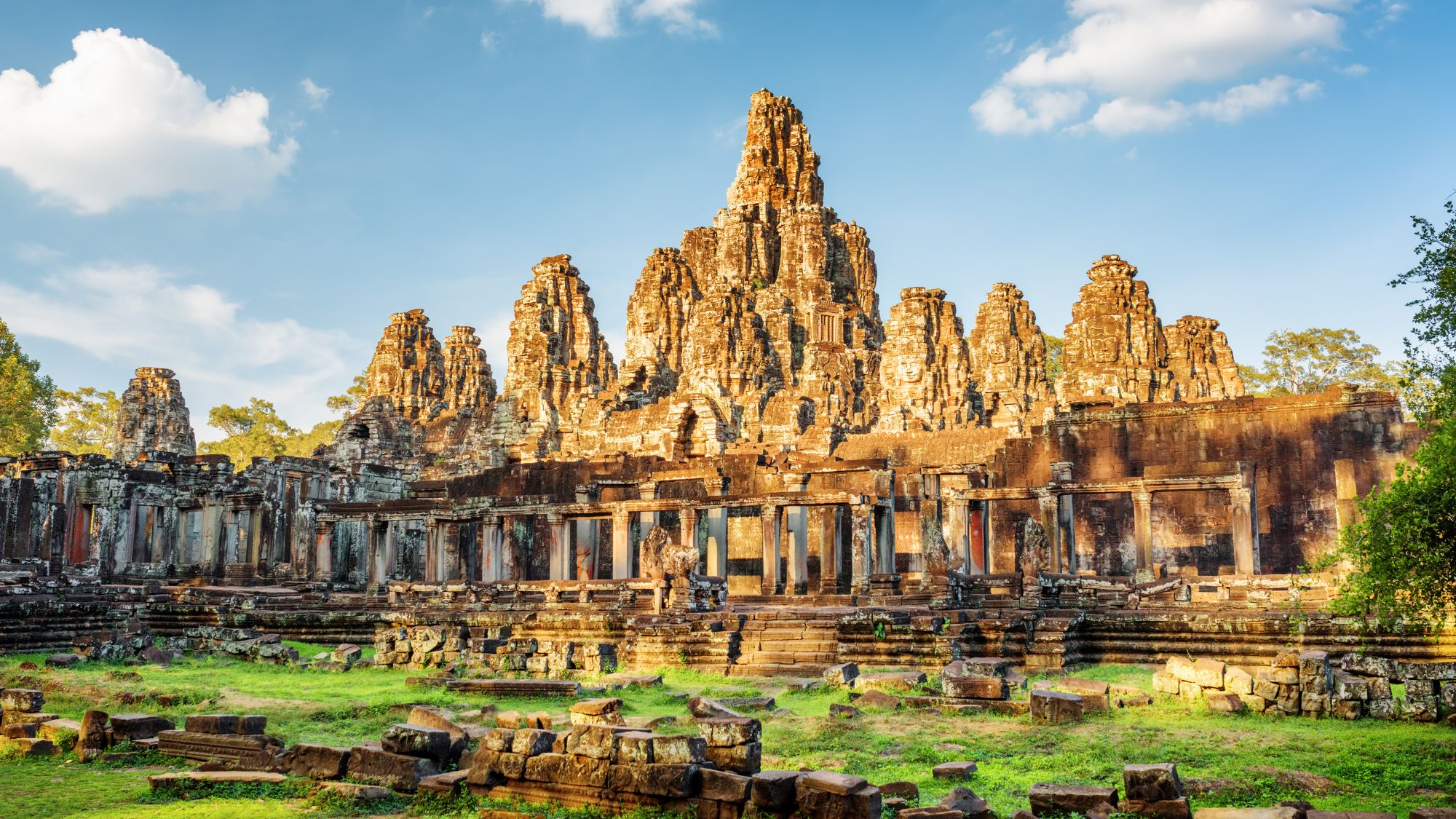
Cambodia is a land of contrast — ancient temples and modern cities, bustling street markets and quiet rice paddies, all wrapped in warm hospitality and layered history. For travellers, it offers something truly special: a destination that feels both adventurous and deeply personal.
Whether you're drawn by the majesty of Angkor Wat, the vibrant culture of Phnom Penh, or simply the promise of a perfect bowl of fish amok, there’s plenty to discover. But before you board your flight, it’s worth getting to know the rhythms, customs and flavours that make Cambodia such a unique place to visit.
Before You Go: What to Pack and Know
Cambodia’s tropical climate is warm year-round, so pack light, breathable clothing — but also be mindful of modesty, especially when visiting temples. Shoulders and knees should be covered in sacred places, and a light scarf can double as sun protection and cultural respect.
A few essentials will go a long way: sunscreen, insect repellent, a basic first aid kit, and a universal power adaptor (the country uses Type C and G outlets). Cash is king here, particularly in markets or rural areas, and while US dollars are widely accepted, make sure your notes are clean — torn or damaged bills often won’t be accepted.
Tuk-tuks are everywhere, especially in Siem Reap and Phnom Penh, and while it’s common to negotiate the fare, you can also use the Grab app for fixed-rate rides. It’s one of the easiest ways to get around if you’re not keen on haggling.
Cultural Etiquette: Small Gestures, Big Respect
Cambodians are warm and kind — and they appreciate visitors who show the same in return. A traditional greeting, known as the sampeah, involves placing your palms together at chest level with a slight bow. It’s simple, sincere and always appreciated.
When visiting temples, walk slowly, speak quietly, and never stand over or touch a monk. Women should avoid handing items directly to monks and always seek permission before taking photos. Respect for sacred spaces is deeply important here — not just as a traveller’s courtesy, but as a way of honouring Cambodia’s spiritual heritage.
When to Visit Cambodia
Cambodia’s dry season, from November to April, is a popular time to visit, offering warm, sunny days that are ideal for exploring temples and enjoying outdoor adventures. March sits comfortably within this season, making it a great time for travel. From May to October, the landscape becomes lush and green, with occasional afternoon showers adding to the region’s natural beauty. Each season offers a unique perspective — from golden light and cooler mornings to rich foliage and peaceful surrounds.
A Taste of Cambodia: What to Eat and Where
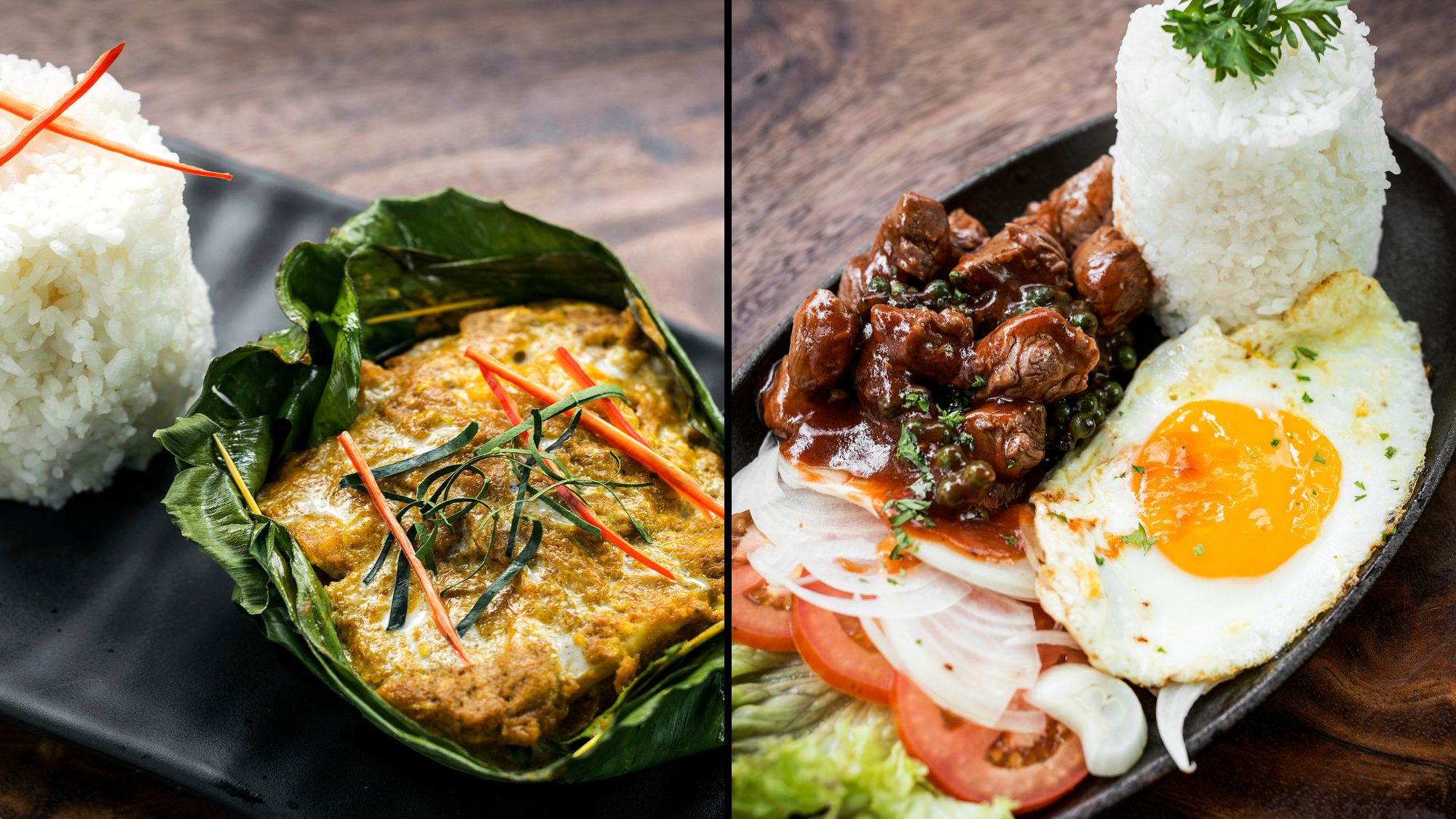
One of the best ways to connect with Cambodia is through its cuisine. Rooted in simplicity and soul, Khmer food is all about balance — fresh herbs, aromatic spices, rice, coconut, and palm sugar come together in dishes that are both comforting and deeply flavourful.
Some must-try Cambodian dishes include:
- Fish Amok – A creamy freshwater fish curry steamed in banana leaves with coconut milk and lemongrass.
- Lok Lak – Marinated beef stir-fried with onions, served with rice and a zesty lime-pepper dip.
- Nom Banh Chok – A beloved breakfast of rice noodles topped with fish gravy and fresh herbs.
Where to Eat in Siem Reap
- Malis – Upscale Cambodian cuisine in a refined setting.
- MAHOB – Garden restaurant offering traditional Khmer flavours.
- Butterfly Pea – Cosy, home-style cooking in a colourful space.
- Olive Cuisine de Saison – French bistro vibes with seasonal produce.
- Fellini – Authentic Italian dishes in a relaxed setting.
- HASHI – Japanese sushi and sashimi served with style.
- Mouhot Dreams (Sofitel) & The Dining Room (Park Hyatt) – Elegant hotel dining with curated menus.
Where to Eat in Phnom Penh
- Malis (Phnom Penh) – Sister restaurant to Siem Reap’s Malis, offering fine Khmer cuisine.
- Bopha Titanic – Riverside restaurant with 24-hour service and local favourites.
- Ngon – Vibrant mix of Cambodian and Vietnamese cuisine.
- Topaz – French fine dining in a sophisticated setting.
- Metro Hassakan – Western cuisine with city views.
- Bornga – Popular for Korean BBQ and banchan spreads.
- Dim Sum Emperor & Little Sheep Hotpot – Great for Chinese dumplings and hotpot.
- IZA (Vattanac Tower) – Modern Japanese fare with panoramic views.
- Dakshin’s & Namaste India – North Indian classics and spice-rich curries.
- Warung Bali – Authentic Indonesian halal dishes near the National Museum.
Wherever you choose to eat, you’ll find that Cambodian hospitality is just as satisfying as the food — generous, warm, and always served with a smile.
What to Do: From Ancient Temples to Rooftop Views
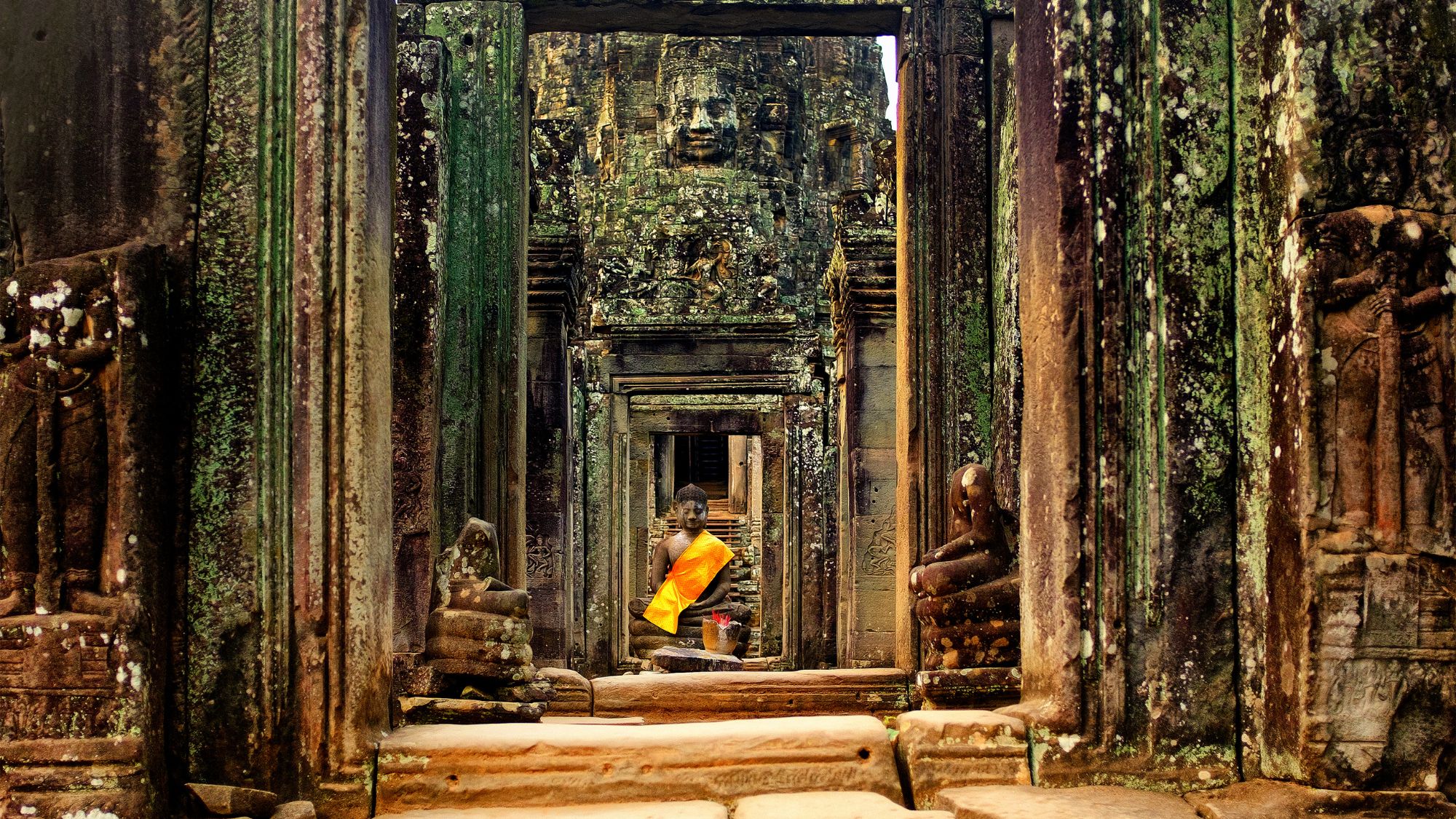
In Siem Reap, the temples of Angkor are the main draw — and for good reason. Angkor Wat, Bayon and Ta Prohm are awe-inspiring at any time of day, but sunrise or sunset adds a magical touch. Beyond the ruins, explore Tonle Sap Lake and its floating villages, take a quad bike into the countryside, or seek a blessing from a Buddhist monk. The night market, Pub Street and Artisans d’Angkor offer the perfect end to a temple-packed day.
Phnom Penh, Cambodia’s bustling capital, mixes charm and complexity. Marvel at the Royal Palace and Silver Pagoda, take a sobering walk through the Tuol Sleng Genocide Museum and the Killing Fields, then lift your spirits with a cocktail at SORA Sky Bar, perched above the city skyline. Shopping is best at Central Market or Russian Market, both packed with crafts, textiles, and local treasures.
Final Thoughts: Travel with Curiosity, Leave with Heart
Cambodia may not always be the first stop on a traveller’s Southeast Asian itinerary — but for those who make the journey, it’s often the most memorable. It’s in the quiet smile of a tuk-tuk driver, the steam rising from a street food cart, and the orange glow of monks crossing a stone temple at dawn.
This is a country that asks you to slow down, to listen, to taste — and to respect the beauty that lies in both the grand and the everyday. And if you’re lucky, you won’t just leave Cambodia with photos — but with a deeper sense of connection, and a hunger to return.
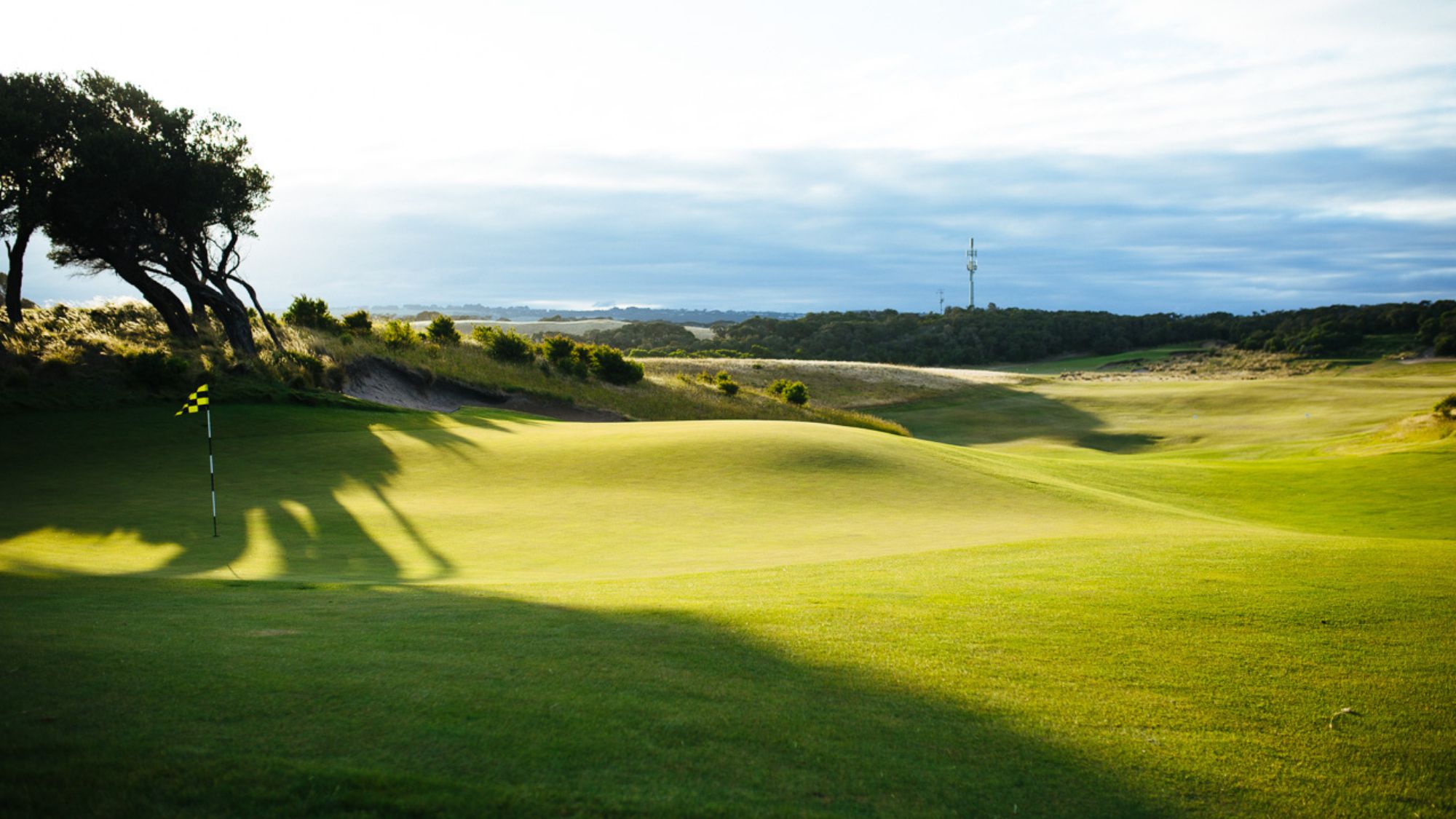
July has been a month that truly reminds us why we do what we do.
First, I’m beyond thrilled to welcome Raquel Stevens to the team! Raquel spent more than a decade as a Senior Crime Reporter for Channel 10 News. These days, she's swapped headlines for fairways—and she’s hooked. Like so many of us, Raquel has found something in golf that’s hard to explain but easy to feel: the joy, the challenge, the community. She’ll be leading the way in nurturing our partnerships, growing our presence, and bringing our community together in new and exciting ways (keep an eye out for our new podcast launching soon). We’re lucky to have her—and I know you’re going to love her too.
This month also brought a moment that I’m still letting sink in—we’ve been nominated (again!) for the Entrepreneur of the Year Awards. As the founder—and still aged under 40—it’s honestly hard to put into words what this means. Because this didn’t start with a business plan. It started with a deep love for golf—not just as a sport, but as a connector. Of people. Of memories. Of places. And to have not only a nomination for the world’s best operator last month and to be recognized nationally this month for something built from that kind of heart? That’s something I’ll never take for granted.
July also saw a beautiful group of women come through our Gold Coast Golf Schools—every month these sell out, and this time was no different. Except... there’s still space in September. So if you’ve been thinking about it, this might be your sign. >> Click here << to learn more.

We also launched something very close to my heart: the Mornington Peninsula Golf Tour. Imagine: pristine fairways by the sea, boutique local wines, unforgettable meals, luxury accommodations, and the kind of company that makes you laugh until your face hurts. It’s not just a tour. It’s a celebration of everything this game and this country has to offer. >> Click here << to discover this incredible tour before all spots sell out.
And here’s a number that gives me chills—over 300 golfers joined us across the globe this month. That’s 1,000+ golf balls lost & 300+ memories and stories made. One of those stories? Marcus Allen sinking a hole-in-one on Pineapple Valley’s legendary Hole 4. Congratulations Marcus, we know your dad Craig, who witnessed it, is very proud of you.

So as July wraps up, I just want to say thank you. Whether you’re just watching from afar, or you’ve traveled the world with us—you’re part of this. And we can’t wait to see where the next chapter takes us.
Imagine this.
You’ve just found your dream golf tour. Gorgeous courses, a great group, luxury hotels… and you’re in!
You’re picturing sunsets, swing tips, and maybe even a cheeky gin after the 18th.
But then you see it.
“Single Supplement: $XXX”
Wait. What?
Am I being charged extra just because I’m coming on my own?
We get this question a lot. And on the surface, it can feel a bit unfair. But let’s pull back the curtain and explain what’s actually going on.
It’s Not a Penalty — It’s Just the Way Rooms Work
Hotels price rooms per room, not per person.
Let’s say a hotel room costs $300 a night. If two people are sharing, they each effectively pay $150. But if you’re staying solo, that full $300 is still the room rate. You're not being overcharged — you're just not splitting it.
You wouldn’t walk into a hotel, book a double room for yourself, and expect to only pay half, right? That’s all the single supplement is doing — covering the real cost of your private room on the tour.
So Why Not Include It in the Tour Price?
Great question. If we bundled the single supplement into the base price, couples or friends sharing a room would end up subsidizing those who want their own space — which wouldn’t be fair either.
Instead, the supplement keeps pricing transparent and fair across the board. You’re only paying for what you use.
You’re Not Being Stung. You’re Being Supported.
We don’t mark up single supplements. In fact, we negotiate hard with our hotel partners to keep them as low as possible. Sometimes we even absorb a portion of it ourselves.
But at the end of the day, it’s about giving you your own space, while still making sure everything adds up.
And if you’re happy to share? Many of our tours offer roommate matching options — which means no supplement at all.
So Why Travel Solo?
Because it’s incredible.
You get to meet like-minded people, enjoy your independence, and still have the comfort of your own room to relax in at the end of the day.
You’re not paying more to be alone — you’re paying to have freedom, privacy, and peace of mind.
And when you’re standing on that tee box, surrounded by stunning views and new friends, that extra cost will feel like the best investment you ever made.
Or perhaps you want to share your room but just don’t have a buddy to do so with? That’s ok to, and you are not alone! Sign into the clubhouse so you can be added to our solo register, doing so allows you to connect with others who are looking for a share/room mate.

While the Thailand Invitational Tour showcased athletic prowess, its most impactful moment came from the heartfelt joy it brought to a Hua Hin orphanage.
The excitement teed off with a "Beat the Pro" challenge at Pineapple Valley’s picturesque 15th hole. Local golf sensation, Valencia Chang, graciously volunteered her time, adding a spark of star power to the event.
Golfers eagerly lined up to test their skills against her, and while Chang often emerged victorious, everyone enjoyed the friendly rivalry.
The competition also raised more than 46,000 baht, which will have a life changing impact on the Sunshine Children’s Home in Hua Hin.
Ms Chang said people’s generosity combined with athrilling challenge showed how the game of golf can generate amazing goodwill.
"It was fun seeing everyone take on the 15thhole at Pineapple Valley, and amazing that we managed to raise over 46,000 baht together. Visiting the orphanage to deliver the donation was incredibly meaningful — my heart felt so heavy walking in, I was so happy to be able to help.”
The Sunshine Children’s Home provides 46 beds to children who were living in deprived or dangerous situations. The orphanage wants to change the lives of children forever and help them flourish safe from neglect.

Valencia Chang presents the ‘life changing’ donation to the children and staff at the Sunshine Children’s Home in Hua Hin.
Valencia said the money raised could support one child for an entire year, “I found that so amazing. Just knowing the impact, we made together was really heartwarming and it reminded me that golf can bring people together and create real change."
Barb Slater: A Legend of Generosity
The generosity continued beyond the green with an impromptu auction raising more money for the orphanage. The event honoured not just the winners but also the "second last" finisher. This year, Barb Slater from Roma became a legend in her own right, achieving the unprecedented feat of finishing second last three times in a row across different formats.

After receiving her prizes, Barb's generosity shone through. She spontaneously offered them back, suggesting they be raffled or auctioned for the cause. This selfless act ignited an incredible wave of giving.
During the live auction Barb’s hat fetched anastounding 12,000 baht! Other donated items also drew generous bids,making it truly a night to remember.
The funds raised support the Hua Hin Orphanage's vision to provide a safe and nurturing home for children. The goal is to offer children the best possible environment, allowing them to grow up and reach their full potential.

The event beautifully demonstrated how the camaraderie of golf can translate into tangible support and create real change in the lives of those who need it most.
If you would like to know more about the next Invitational week in Jakarta, October 5th-11th. https://www.golfjourneys.com.au/tour/jakarta-invitational

It started, as these things often do, with a conversation over dinner.
We were in Sydney, catching up with an old friend when introductions were made—and the usual back-and-forth about golf courses, business, and travel began to flow. Somewhere between the wine being poured and the main course arriving, a name was mentioned. A familiar one.
As it turned out, we shared a mutual connection with the newly appointed Director Of Golf at what is widely regarded as China’s most exclusive golf club. A place so private, even well-connected locals struggle to secure a tee time. We hadn’t gone into the evening expecting anything of the sort—but the conversation meandered, as good ones do, and by the time dessert was served, we were discussing tee times.
There was, of course, one condition: keep it small. A maximum of a dozen guests, carefully chosen. No marketing. No public fanfare. Just a quiet nod of approval, and access to a world very few ever see.
Because in a country known for discretion and grandeur, China’s most elite golf clubs are not just private—they’re virtually invisible. These are not venues you’ll find in glossy travel brochures or listed on booking platforms. In fact, even some of China’s most well-connected citizens find the gates closed.
These courses were never meant for the public. Built as sanctuaries for business elites, political dignitaries, and high-ranking insiders, they reflect a philosophy where golf is more than sport—it’s a statement of status, culture, and exclusivity.
Access is guarded not just by membership fees, but by relationships, tradition, and national pride. They operate with quiet distinction, rarely opening their doors to overseas guests, and are known within inner circles as some of the finest designs in all of Asia.
Shanghai Links — Wind-Shaped and Unseen

Positioned along the windswept coast, Shanghai Links is a course few have seen and even fewer have played. Built as a pure links layout, it draws its character from the sea breeze and rugged topography, reminiscent of Scotland but rendered in China’s own coastal vernacular.
Once briefly known to the public, it has since retreated into near-total seclusion. Today, its reputation is kept alive only by whispers within the global golf elite. Among collectors of rare rounds, a tee time here is a trophy of status. The course is consistently ranked among China’s finest—though good luck finding those rankings published anywhere official.
An Ying Links — China’s Crown Jewel

Formerly known as Langhai International (Yangtze Dunes), An Ying Links is the undisputed crown jewel of Chinese golf. Built with architectural precision and artistic flair, it is a modern links course that rivals the likes of Kingsbarns or Bandon Dunes.
Yet, its global anonymity is not due to lack of merit—it’s by design. Reserved for those with deep connections and cultural currency, An Ying Links rarely, if ever, welcomes international visitors. Even golf course raters and ranking committees have struggled to access it.
Insiders know the truth: this is China’s #1 golf course, and among the most impressive anywhere in Asia. To play here is not simply to enjoy a round—it is to be initiated into a sacred tradition.
Lake Malaren — Shanghai’s Grand Stage of Golf
Tucked into Shanghai’s northern Baoshan district, Lake Malaren Golf Club is a dazzling fusion of world-class design and old-world charm. The fairways here unfold like a classical symphony: broad and sweeping, yet intricate in challenge. Serene lakes mirror the sky, while ancient-style pavilions and manicured gardens provide a tranquil contrast to the competitive edge of the course. Every hole reveals a touch of grandeur, rooted in both the game's traditions and China’s cultural elegance.
More than a golf course, Lake Malaren is a statement—of ambition, prestige, and possibility. It’s the kind of place where golf feels elevated to an art form. For those lucky enough to tee it up here, it’s a rare experience: refined, resplendent, and unforgettable.
Fuchun Resort — Golf Among Tea Fields and Mountains
A few miles away lies Fuchun Resort, a course unlike any other. Built on an ancient tea plantation, its fairways meander through terraced hills and misty mountains, evoking the poetic spirit of classical Chinese landscape paintings.
The experience here is as much about the setting as the sport. Each hole offers panoramic views, birdsong echoes through the valley, and the scent of tea leaves drifts across the breeze. For those fortunate enough to play here, it’s a meditative journey—a tranquil conclusion to a tour defined by rarity and reverence.
Why These Courses Remain Hidden
The privacy surrounding these clubs is not incidental—it’s part of their identity. In China, golf at this level is deeply intertwined with business, protocol, and prestige. Access is based not on price, but on position.
This makes them some of the hardest tee times to secure anywhere in the world—and part of what makes playing them such an extraordinary experience.
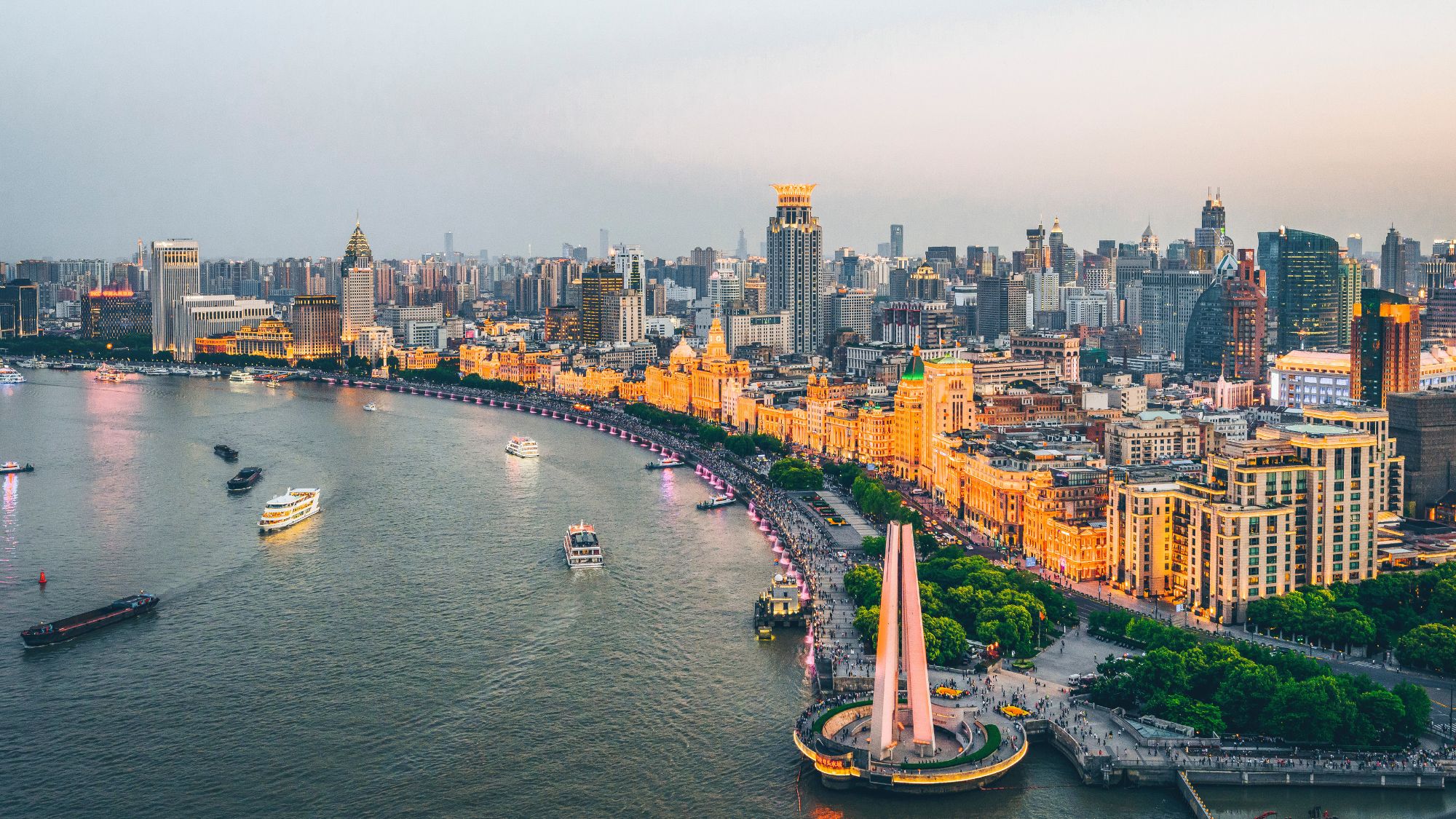
Traveling to China is like stepping into a world where ancient temples whisper stories of dynasties past, futuristic skylines glisten over historic rivers, and every meal feels like a cultural celebration. For golf enthusiasts, history buffs, and curious wanderers alike, Shanghai and Hangzhou offer a perfect dual-city getaway—especially in October, when the autumn air is crisp, and fairways glow gold under changing leaves.
Whether it’s your first time to China or your tenth, understanding the nuances of travel in this vast and vibrant country can transform your trip from good to unforgettable. Here’s everything you need to know before you pack your clubs and set out for adventure.
Preparing for Your Journey
Start with your documents—your passport should be valid for at least six months. Thanks to recent policy updates, Australians and New Zealanders can now enter China visa-free for 30 days until the end of 2025. This is an exciting opportunity, especially for those planning short-term travel.
Once you arrive, you’ll notice quickly: English isn’t widely spoken outside major tourist zones. Download a good translation app (we recommend google translate - it’s free) and be ready to embrace the universal language of gestures and smiles. The cities themselves are welcoming, safe, and full of surprises.
Navigating a Cashless Culture
In today’s China, cash is quickly becoming a relic of the past. From taxis to teahouses, just about everyone pays with their smartphone. While major hotels may still accept foreign credit cards, smaller shops and restaurants might not always.
The two dominant platforms—WeChat Pay and Alipay—are widely used for everything from splitting a bill to buying street snacks. While it’s now possible to link international cards to these apps, doing so isn’t strictly necessary. However, if you want a truly seamless experience, especially in more local neighborhoods or markets, setting this up in advance can make day-to-day transactions a breeze.
ATMs are also easy to find, and having a debit card with international withdrawal capabilities gives you a reliable backup.
Getting Around: Smooth, Fast, and Surprisingly Simple

Transportation in China is impressively efficient. In Shanghai, the metro system rivals any in the world—fast, clean, cheap, and clearly labeled in English. Hangzhou’s system is newer but equally convenient. For more flexibility, apps like DiDi (China’s Uber equivalent) offer a comfortable way to navigate the cities, complete with English interfaces and translation features.
One of the trip’s highlights will likely be the high-speed train between Shanghai and Hangzhou. It’s a sleek, hour-long journey that zips you through lush countryside and futuristic cityscapes.
Staying Connected in a Digitally Divided World
First thing’s first: many Western apps and websites are blocked in China, including Google, Facebook, WhatsApp, and Instagram. To stay connected, install a trusted VPN such as ExpressVPN or NordVPN before you arrive. It’s your digital passport to staying in touch with the outside world.
Consider picking up a local SIM or eSIM from China Unicom, which offers excellent coverage and affordable tourist packages. As for apps, WeChat is a great choice—not just for messaging but for payments, directions, and more.
Food Is Culture—And It’s Delicious
If your taste buds had a bucket list, China would be on it. In Shanghai, be sure to try xiaolongbao—tiny steamed buns that explode with rich, savory broth. In Hangzhou, indulge in Dongpo pork, a slow-braised delicacy that melts in your mouth.
Street food here isn’t just safe—it’s sensational. Look for stalls that are busy with locals, which usually means freshness and quality. Vegetarians might find choices limited, so it’s wise to carry a card with dietary translations or use apps to help communicate specific needs.
Interestingly, tipping isn’t customary in China, though appreciated in more Westernized or tourist-heavy settings.
The Art of Fitting In: Culture, Customs, and Everyday Etiquette

Social customs in China are rooted in harmony, humility, and respect. When greeting someone, a simple nod or a gentle handshake will do—there’s no need for elaborate gestures. Formality matters: use titles like “Mr. Wang” or “Manager Li” when addressing someone.
Always be mindful of elders—offering your seat on public transport or serving them first at a meal is a mark of respect. You might notice that silence in conversations isn’t awkward here—it’s thoughtful.
In temples or religious sites, dress modestly, speak quietly, and avoid touching sacred objects. The rule of thumb? When in doubt, observe others.
Dining etiquette also follows a few unique but important norms. Don’t stick chopsticks upright in a bowl of rice—it resembles incense offerings at funerals. If you are invited to dinner always wait for the host to begin the meal, and feel free to slurp your noodles—that’s not bad manners here; it’s a compliment to the chef.
Shopping, Bargaining, and Knowing When Not To
Local markets in China are a sensory delight—think fragrant spices, hand-stitched fabrics, and quirky souvenirs. Haggling is expected here, and can even be fun once you get the hang of it. Just don’t try it in department stores or supermarkets, where prices are fixed.
Safety and Health: Staying Smart and Secure
Shanghai and Hangzhou are considered two of the safest cities in China, and you’ll likely feel comfortable walking around even at night. That said, it’s a good idea to remember hygiene by using hand sanitizer and stick to bottled water, as tap water isn’t safe for drinking.
International clinics are available, but always travel with comprehensive medical insurance—especially if you're planning to hit the golf course or take on some active sightseeing.
Highlights You’ll Remember Forever
In Shanghai, stand along The Bund at sunset and watch the skyline come alive. Explore the delicate beauty of Yu Garden, rise above the city in Shanghai Tower, and stroll through the European-flavored streets of the French Concession.
Hangzhou, on the other hand, is poetry in motion. Take a boat ride on West Lake, breathe in the serenity of Lingyin Temple, and sip fresh brew in the Longjing tea plantations. End your day at Hefang Street, where local snacks and trinkets make for the perfect souvenirs.
Final Thoughts
China is a land of paradoxes—ultramodern cities wrapped around thousand-year-old traditions, and bustling crowds hiding moments of serene beauty. With a little preparation, a spirit of curiosity, and this guide in hand, you’ll be more than ready to explore it all.
At Golf Journeys, we handle the logistics so you can focus on the experience—from fairways to food stalls, temples to towers. Let China surprise you, charm you, and change you.

As the African sun peeks over the savanna, casting golden hues across dew-laced grass, you step onto the first tee. Birds call overhead, the scent of the wild mingles with fresh-cut fairways, and your caddy offers a knowing smile. This isn’t your everyday round of golf—this is golf in Kenya, where each course offers not just a game, but an unforgettable journey through history, culture, and untamed natural beauty.
Karen Country Club – A Step Back in Time

Just outside Nairobi lies the iconic Karen Country Club, steeped in history and echoing with the legacy of Karen Blixen, the Danish author made famous by Out of Africa. This parkland-style course weaves through lush indigenous forest, alive with the chatter of vervet monkeys and the flit of exotic birdlife.
Walking here is not merely encouraged—it’s the heartbeat of the experience. As your caddy shares stories of the course and local lore, the rhythmic crunch of your steps connects you to the land. Fast, undulating greens challenge your finesse, but with every well-placed shot comes a deeper appreciation for the game—and the setting.
Muthaiga Golf Club – The Home of Champions

Known as the "Home of the Kenya Open", Muthaiga Golf Club is a championship course that pushes golfers to the edge of their abilities. Towering acacia trees line the pristine fairways, their shifting shadows offering fleeting relief from the midday sun.
But it’s not just the layout that demands your best—it’s the caddy culture. More than just carriers, these seasoned locals double as strategists, historians, and friendly motivators. As you navigate tricky pin placements and deceptive breaks, your caddy’s quiet confidence and insightful reads can make all the difference. Victory here isn’t just about the score—it’s about the shared journey.
Sigona Golf Club – Serenity in the Highlands

Perched in the highlands a short drive from Nairobi, Sigona Golf Club offers cool, crisp air and an invigorating escape from the bustle below. Flowering jacarandas frame each hole like a work of art, while the rolling terrain keeps your game—and senses—engaged.
Walking the fairways here is a sensory delight. You feel the altitude in your lungs, hear the distant rustle of wildlife, and experience golf as it was meant to be played: slowly, thoughtfully, and in harmony with nature.
Vipingo Ridge – Where Golf Meets the Ocean

Travel south to Kenya’s coast and you’ll discover Vipingo Ridge, the country’s premier golfing destination. Situated on a bluff overlooking the Indian Ocean, it combines coastal elegance with rugged wildlife charm.
Lush fairways framed by baobab trees host a curious array of spectators—zebras, giraffes, and the occasional warthog. Sea breezes carry a touch of salt and unpredictability, making club selection a skill in itself. But with a savvy caddy at your side, you quickly adapt, rising to the challenge with each hole.
As the sun sinks low, casting fiery hues across the sky, you walk the final stretch in awe. Here, golf becomes a meditation—on nature, on culture, and on the sheer wonder of Kenya.
The Soul of Kenyan Golf – Caddies and Connection
In Kenya, walking the course is more than tradition—it’s a sacred part of the experience. Golf carts are rare, and the relationship between golfer and caddy is treasured. These men and women aren’t just support staff—they’re storytellers, tacticians, and often lifelong friends.
Each round becomes a shared adventure, where your caddy not only carries your clubs but lifts your game and your spirit. It’s this human connection—along with Kenya’s jaw-dropping landscapes—that transforms a game into something far greater.
Plan Your Kenyan Golf Adventure
Whether you're a seasoned golfer or an adventurous traveller, Kenya offers a golfing experience like no other. From championship layouts to oceanfront masterpieces, each course invites you to slow down, take it all in, and walk with wildlife through some of the most mesmerising fairways on Earth.
So, pack your golf shoes, trust in your caddy, and let Kenya’s natural beauty guide your next great round.

Queenstown has long been celebrated as ‘the adventure capital of the world.’ Now this Southern Island gem can add a new title to its accolades: ‘Epic Golfing Destination.’
I delved into the statistics about how many golf courses are in this region and the results are impressive. 48 in fact, ranging from rugged community tracks to world-class championship courses. We had the privilege of playing at the Big 5: The Remarkables, Coronet, Queenstown, Arrowtown and Jack’s Point. Golf Journeys had all bases covered, they even organised a revenge round at Jack’s Point.
Queenstown, with its snow-capped mountains towering in the background, offers a stunning backdrop that transform each golf course into a breathtaking canvas for an unforgettable golfing experience.
Golf Journeys Managing Director, Mark Hawley says this is one of his most popular trips. It sells out almost immediately, “New Zealand is stunning, and this golf tour ticks all the boxes,’ Mark said. “I think the one word that sums it up is probably epic. One of the hardest parts is actually focusing on your game, because you keep getting carried away with the views, stepping onto the tee and going wow.”
This tour has a lot more appeal than people realise. It’s a short distance from Australia, the courses are all in close proximity, the accommodation is luxurious, and the favourable New Zealand exchange rate makes it exceptional value.
Did you know: Queenstown has four internationally renowned championship courses.

Day 1: Millbrook Resort
Arriving at Millbrook Resort in its story book setting, this award-winning resort was our home away from home for the next four days.

We were treated to a sumptuous degustation dinner at The Millhouse restaurant, which was paired with Valli Wines, a small boutique winery in the Central Otago region. A standout dish was the plum glazed Canter Valley duck, which had been meticulously prepared for 3 weeks. It was superb and sweet.
The dinner was an opportunity for us to mingle and meet our new golfing family for the next nine days. I sat next to Wayne and Victoria Hill from Brisbane, both aged in their 80’s and still playing golf regularly. As a very high handicapper, I shared my concerns about taking on a championship course. Wayne reassured me and said the golf should be secondary, “It’s about having fun, meeting new people and taking in the beautiful scenery.”

Did you know: Millbrook Resort plays host to the NZ Open.
Day 2: Let the golf begin!
You know you’re in for a serious golfing experience, when you arrive at the Pro Shop and find a dedicated hub with its own golf concierge, a water bottle station and complimentary tees and markers. The golf carts were lined up with Formula One precision, our tee times were set, clubs securely loaded, and we were ready for action. Show time everyone!
Joined by my girl gang from the Albert Park Women’s Golf Club - Ruth Hobson, Jackie Ihle, and Helen Furgeson - we took on The Remarkables course. This stunning 18-hole championship course is set in an alpine amphitheatre at Millbrook Resort. With five different tee positions, this course caters for every skill level, and it certainly didn’t disappoint.

My inexperience became evident as I found every bunker on the first nine holes, only to pass the bunker baton onto Helen Furgeson on the back nine. At this point my game took another turn, and I found myself getting acquainted with the rough. And rough it is. Laugh we did. Back at the clubhouse, others shared their Remarkables experience. “After a while you forget about how you’re hitting the ball and look at the scenery, it was breathtaking from one hole to the next,” said Helen.
Good to know: New Zealand doesn’t have snakes or creepy crawlies, so searching for golf balls in the rough is a stress-free experience.
Day 3: Coronet
Some might say you need the agility of a mountain goat to tackle Coronet as it is nestled in towering mountainous terrain.
I played with experienced couple Pauline Mackenzie and Barry Lennon. Each hole presented its own unique challenges, but navigating the water hazards on the final stretch demanded not only strategic thinking but impeccable execution. On the 15th hole, with one ball lost in the drink and another playing hide and seek in the rough, my wheels were well and truly falling off. Then Pauline gently placed her hands on my shoulders and whispered, “Sweetheart just breathe!”
I finished the round feeling a bit battered, but every lost ball was well worth it. Fellow Coronet convert, Paul Robinson, agreed, “I really loved this course, just for the sheer beauty of it and an incredibly different layout. Elevated and narrow at times and then all that water towards the end.”
Putting for plonk
The golfing theme continued with a lively game on the putting practice green, where wine bottles were set up as target practice. The game was simple, putt and hit your favourite blend, and the bottle was yours to keep. A surprising amount of strategy went into play to secure a premier drop of New Zealand plonk. Scott Wilmer went for gold and scored the top prize, a 25th Anniversary bottle of Pinot Noir Valli wine.

It was the perfect appetizer, before we all set off to historic Arrowtown for a beautiful dinner at our leisure.

Did you know: There are over 80 wineries in Central Otago with 77% of product being devoted to Pinot Noir.
Day 4: Grape grazing in Central Otago
We enjoyed a refreshing break from golf, spending the day savouring some of New Zealand’s finest wines and indulging in farm to table dishes. We had the privilege of a private tour at the renowned Gibbston Valley Winery, which featured its own underground cave.

Following a sumptuous degustation lunch that left us with satisfied appetites and rosy cheeks from the delicious High Garden Winery, it was really time for this New Zealand crew to bond on the tour bus. The playlist was set, and as we made our way to our new accommodation, the bus erupted into a jovial rendition of “Take Me Home Country Road,” by John Denver.
We arrived in Queenstown and the evening was ours to explore this picturesque lakeside town.
Good to know: Don’t miss the Cheesery at Gibbston Valley Winery, a charming shop offering a selection of artisanal cheeses and homewares that are perfect for sneaking in your suitcase.
Day 5: Dancing on the clouds
Today our small Albert Park crew took a break from golf and decided to embark on another adventure: ride the long white cloud highway by helicopter into Milford Sound. This stunning fiord is often referred to as the ‘Eighth Wonder of the World.’
Soaring metres above sheer rock faces and towering cliffs we suddenly noticed the weather was closing in. We needed to hotfoot it back to Queenstown, otherwise it was going to be a windy four-hour bus ride home.
Our resourceful pilot, Luke, suggested we abort our scheduled lake cruise, and instead he would treat us to some innovative pitstops along the way. The added bonus of our collective ‘light’ weight meant we could land almost anywhere. And that we did!
With expert precision Luke skilfully piloted the flying beast onto a rocky outcrop overlooking the Tasman Sea. Then on another occasion, he manoeuvred an adrenaline fuelled landing on a razor-sharp ridge overlooking spectacular Lake Te Anau. It was a pinch yourself moment.

Verdict: Breathtaking and unforgettable.
Day 6: Jewel in the Crown: Jack’s Point
Jack’s Point Golf Course is situated on Lake Wakatipu and sits beneath The Remarkables. Rated as one of the hardest courses on the South Island, I was also told it’s the most beautiful. Designed by John Darby, the stunning vistas have been meticulously preserved with ecological integrity.
It also comes with a big reputation. My fellow golfers didn’t hold back with their descriptions of the course. Brutal, unforgiving, scary, greens as fast as Augusta. Suddenly I was wondering whether I needed to book a therapy session post Jack.
Pray you hit the fairway because the rough is rough! To help with pace of play, we adopted the Irish rule. If you can’t find your ball within 2 minutes, take a drop and add a one stroke penalty.
The most spectacular holes hug a steep ridge overlooking the crystal-clear lake. The 6th hole is an absolute gem, an exquisite par 4 renowned for its challenging approach from the elevated tee.
On this hole, gun golfer Scott Wilmer nearly pulled off a stunning birdie. He launched a powerful 270-metre drive, and then something crazy happened. “It went 100 metres out over the lake, then we all just watched as the wind brought it back to the edge of the green. Unfortunately, it was only a par as the birdie putt lipped out from 10 foot,” Scott said.

Did you know: Jack’s Point is named after Jack Tewa, the first man to find gold in the district.
Day 7: Diamond in the rough: Queenstown
Breathtakingly beautiful Queenstown Golf Course was next on our ‘to do’ list.
A staff member from the Pro Shop kindly gave us a ‘cheat’s guide’ on how to navigate the difficult course with its sloping hills and jaw dropping water which borders three sides of the course. Basically, aim high on the fairways as the ball will always run towards the water.
Once again, I found myself with a fun but focused team. Deb Gardner, my playing partner is a seasoned veteran of Golf Journeys, and this has been one of her favourite trips. The experienced golfer was also kind enough to give me some handy tips. She observed I was not striking the ball as effectively as I could and gently said to me, “Raquel, pretend there is a diamond under the ball, and don’t look away until you see that sparkling diamond.”
Inspired by her words, for the rest of the round I found some shine to my game.
Day 8: Revenge Round: Jack’s Point
Today was our last round of golf, and it was hard to ignore some of the sombre faces at breakfast. We all knew our time together was coming to an end, however there was a shared determination to finish on a high and give Jack’s Point one more crack. “This time I know where to go and where not to go. So, I’m expecting to shoot par off the stick,” with a cheeky grin Josh Cunningham declared.
To my surprise I played my best golf. I hit straight, stayed out of the rough and had a smile on my face looking up at the incredible scenery. Ruth Hobson, who scored a whopping 41 points, summed it up perfectly, “Today I was relaxed, not rushed. What can I say about Jack - it’s tough, it’s daunting but absolutely doable!”

Did you know: Scenes from The Lord of the Rings trilogy were filmed on The Remarkables.
After speaking with many of my fellow tour members, it was agreed that the golf was first class, but the scenery stole the show. This trip was also extraordinary because of the people. I now have invitations to play at Castle Hill in Sydney, Spring Valley in Melbourne and Indooroopilly in Brisbane.
As a fitting farewell, we enjoyed a spectacular dinner with tantalising tastes of the pacific at Blue Kanu restaurant in Queenstown. Then as the sunset over Lake Wakatipu, we raised a toast to these magical nine days, which created special memories for years to come.

Day 9: The long goodbye
Unfortunately, our flight was delayed leaving Queenstown. The price you pay for holidaying in a truly hidden gem of the world.
Stuck in the lounge waiting for our flight to be rescheduled, fellow Golf Journeys guest, Tony Cruise turned to me and said, “Raquel, we could have played another 18 at Jack’s Point.”
Good point Tony. For Queenstown, it’s not goodbye but “see you again soon.” I can’t wait for the next adventure. In fact, I’ve booked to go to Kenya with Golf Journeys in September.

BEST OF EPIC GOLF TOUR:
ACCOMMODATION: Millbrook Resort
COURSE: Jack’s Point
HOLE: 6th – Par 4, Jack’s Point
PRO SHOP: Millbrook Estate
COFFEE: Hole in the wall, Queenstown
LUNCH: White on Wong, Queenstown
DINNER: The Mills, Millbrook Resort
WINE: Pinot Noir, Gibbston Valley
VIEW: From a chopper flying over Milford Sound
QUOTE: “Happiness is best shared” - Mark Hawley
MOMENT: Too many to choose from.
Raquel Stevens is a former Network Ten journalist. Now she’s a true golf addict and divides her time between writing and chasing a small white ball around the world.

When travelling, the last thing you want is to waste money on hidden fees and bad exchange rates. Yet, if you're still using a traditional travel card or your bank’s debit/credit card overseas, that’s exactly what’s happening.
The good news? FinTech solutions are making it easier and cheaper to spend overseas without all the extra costs. Let’s break it down.
The Hidden Costs of Traditional Travel Cards & Bank Cards

1. The Exchange Rate Rip-Off
Most banks claim to offer “great exchange rates,” but what they don’t tell you is they quietly add a markup.
For example, if the real rate is:
✅ 1 AUD = 0.65 EUR
Your bank might offer you:
❌ 1 AUD = 0.62 EUR
That small difference could mean losing $100 AUD or more on a $3,000 AUD exchange—without even realising it.
Better alternative: FinTech platforms like Wise, Revolut, and CurrencyFair give you the real mid-market exchange rate, no hidden markups.
2. Sneaky $2-$3 Fees That Add Up
Using your credit or debit card overseas? Expect to see random “international transaction fees” of $2-$3 per purchase—on top of an inflated exchange rate.
It might seem small, but over a two-week trip, these fees can easily add up to $50-$100 AUD—money better spent on your holiday.
Better alternative: Use a FinTech-based travel card that doesn’t charge international transaction fees.
3. The Hassle of Getting Your Money Back
Ever finished a trip with leftover currency on a travel card? Getting it back to AUD is often:
- Time-consuming (some banks require a phone call or branch visit).
- Expensive (they hit you with another bad exchange rate).
Better alternative: FinTech travel accounts let you transfer funds back instantly at a fair rate, no hassle.
4. What Happens If Your Card Gets Stolen?
Losing a travel or bank card overseas is stressful—especially if you need to call an international customer support line and wait on hold.
Better alternative: With FinTech solutions, you can instantly freeze and unfreeze your card via an app, no phone calls needed.
A Smarter Way to Spend Overseas

Beyond just better exchange rates and lower fees, FinTech travel solutions also prioritise security and convenience.
- Lost your card? Instantly freeze it from your phone, then unfreeze it if you find it—no stress, no international calls.
- Want better control over spending? Load money as you need it, so you’re never carrying more than necessary.
- Concerned about safety? Unlike using your main bank card, a FinTech travel card keeps your primary funds secure, reducing risk if something goes wrong.
- Need to top up? With PayID and instant transfers, you can add funds in seconds, instead of pre-loading large amounts and hoping for the best.
Instead of relying on traditional travel cards or your bank card, many travellers now use FinTech travel solutions like:
✔ Wise
✔ Revolut
✔ CurrencyFair
These options offer:
✅ Real exchange rates (no markups)
✅ No international transaction fees
✅ Instant card control via an app
✅ Quick and easy top-ups
There are plenty of options out there, but if you want a simple, reliable solution, Wise is a great place to start.
👉 Click >> here << to sign up to Wise now and start saving on your next trip!

As we take a moment to reflect on our Vietnam Golf Tour, we are filled with an immense sense of gratitude. What started as a simple golf tour became so much more—a journey through stunning landscapes, world-class courses, rich cultural experiences, and unforgettable moments shared with an incredible group of fellow travelers.
From coastal links to lush fairways, vibrant city streets to tranquil bays, every step of this adventure left its mark. And now, it’s time to relive the highlights of an experience we’ll never forget.
Let’s take a walk through the journey…
Arrival in Hanoi: A Step Into Old-World Elegance
From the moment we stepped off the plane in Hanoi, we knew we were in for something special. The energy of the city was palpable—the hum of scooters, the scent of street food wafting through the air, and the sight of towering French-colonial buildings lining the bustling streets.
But then, we stepped into the Apricot Hotel, and suddenly, the chaos of the city melted away. The lobby was grand, adorned with chandeliers that cast a warm golden glow, polished marble floors that reflected the soft light, and a sense of old-world elegance that made you want to stand a little taller. A piano and violinist played in the background, their melodies floating through the space, adding to the refined atmosphere. The staff, dressed in sharp suits or the traditional Ao Dai for the ladies, greeted us with warmth and grace.
There’s something special about staying in a place like this—a hotel that doesn’t just house guests, but welcomes them into a bygone era of timeless charm.
That evening, we gathered at the rooftop for a welcome dinner, soaking in the Hanoi skyline while toasting to the adventures ahead.
The next morning, the golf portion of our journey began, and Hanoi did not disappoint. The courses here are exclusive, private sanctuaries, where stepping into the grand clubhouses felt like entering a world of luxury—polished mahogany wood, the soft glow of chandeliers, and an atmosphere of pure elegance.

At King’s Island Golf Club, we took a boat ride across the lake to reach the Kings Course, a layout that demanded precision and rewarded patience. The greens were lightning-fast, the fairways pristine, and the caddies—always smiling—offered invaluable reads. Thanh Lanh Golf Resort, tucked away in the lush countryside, was another masterpiece, with fairways that rolled seamlessly into the natural landscape.
For the non-golfers, Hanoi’s treasures awaited—a guided tour through its historic sites, a stroll down the bustling Train Street, and an immersive cultural experience in the heart of the city.
The Magic (and Madness) of Halong Bay

Our next adventure took us to the famed Halong Bay, a UNESCO World Heritage Site, known for its towering limestone cliffs rising from emerald-green waters.
Halong Bay is breathtaking, but it is also busy—very, very busy. Every man and his dog was out that day, with countless boats ferrying tourists through the waters. While most of the group made the sensible decision to relax on the boat, the adventurers at heart—including us—set off to explore.
Our excursions were as lively as the bay itself:
- Bamboo boat rides, weaving through the maze of floating villages.
- Kayaking, dodging boats as we paddled between towering rock formations.
- A hike up Titov Island, where we had to time our steps perfectly among the endless wave of people scrambling up the steep staircase.
- And finally, a cave system far larger than we ever expected, with chambers so vast they felt like underground cathedrals.
But while the adventures were exhilarating, the real luxury of Halong Bay was found back onboard the cruise.

Before dinner, we gathered on the top deck with drinks in hand, watching the sun dip below the limestone cliffs. The golden light reflected off the still waters, casting an almost dreamlike glow over the bay. It was a moment of pure tranquility—good company, good wine, and a view that will stay with us forever.
Danang: Golf, Culture, and a Bit of Fire
Arriving in Danang felt like stepping into paradise. The Pullman Danang Beach Resort, nestled on a pristine white-sand beach, welcomed us with open arms.
Our first round was at Montgomerie Links, a course that demanded precision with its rolling dunes and deep bunkers. After a rewarding round, we headed straight to Hoi An, where a night of indulgence awaited us. Dinner at Mango Mango, one of the best restaurants in town, was an experience in itself. The flavors, the drinks, and the company made for an unforgettable evening—so much so that the fun carried over to the bus ride back, where a little impromptu dancing broke out.

The next day, we played Ba Na Hills Golf Club, a stunning course designed by Luke Donald. Carved into the mountains, the elevation changes made for thrilling tee shots, and the lush jungle backdrop made every hole feel like a postcard.

On the following day, instead of lining up with the crowds, we took the best seat in the house—dining on the waterfront overlooking the Dragon Bridge. At exactly 9 PM, the massive dragon sculpture came to life, breathing fire into the night sky. From our table, we had a perfect view of the spectacle, comfortably away from the masses, enjoying one final feast together.
Then came Legend Danang Golf Club, a Jack Nicklaus design that was as visually stunning as it was challenging. Its signature wooden bulkheads lining the water hazards added a touch of drama, while the fairways demanded nothing short of precision. Once again, our caddies stole the show—friendly, knowledgeable, and always eager to celebrate a good shot with us.
For our final round, we teed it up at Hoiana Shores, and it was nothing short of spectacular. Just weeks ago, this course hosted the prestigious Women’s Amateur Asia-Pacific Championship, meaning we were playing it in absolute tournament condition. It was a fitting finale to our golfing adventure.
Celebrating Our Champions
No golf journey would be complete without a little competition, and this tour was no exception. Over the course of the trip, we witnessed some truly spectacular golf, with clutch putts, booming drives, and incredible up-and-downs that will be talked about for years to come.
At our farewell presentation dinner, we gathered to celebrate those who rose to the challenge and walked away with top honors. Trophies were handed out, laughs were shared, and the room erupted in cheers for our champions.
🏆 Vietnam Golf Tour - Final Leaderboard 🏌️♂️🏌️♀️
Men’s Division
🥇 Mark Anderson
📊 Scores: 40 | 38 | 38 | 32 | 30 | 43
🔢 Total Points: 221
Ladies Division 1
🥇 Carol Netscher
📊 Scores: 27 | 35 | 26 | 32 | 33 | 36
🔢 Total Points: 189
Ladies Division 2
🥇 Belinda Doff
📊 Scores: 36 | 28 | 26 | 25 | 33 | 31
🔢 Total Points: 179
Congratulations to all our winners! Whether you took home a trophy or simply had your best round ever, we all walked away with something far more valuable—unforgettable memories.
.jpg)
As we reflected on the last ten days—memorable shots, near misses, and friendships forged over rounds of golf and glasses of wine—we knew this was more than just a tour.
It was an experience. A collection of moments we’ll carry with us long after the final putt dropped.
Vietnam gave us more than we ever expected—a seamless blend of sport, culture, and adventure. We arrived as travelers, but we left as friends, connected by the memories we made on this incredible journey.

There’s something about the word safari that stirs the soul. It’s a call to the wild, a promise of wide horizons and heart-stopping moments when you lock eyes with a lion or watch elephants amble past your vehicle. If Kenya has been on your travel wish list, it’s time to turn that dream into reality. This is more than a holiday — it’s a front-row seat to nature’s greatest show.
Whether you’re a first-timer or a seasoned traveller, these tips will help you plan smarter, pack better, and truly immerse yourself in the magic of Kenya.
When’s the Best Time to Go?

The truth is, Kenya’s wildlife doesn’t follow a calendar — it’s out there every day, living its wild, unpredictable life. But the experience shifts with the seasons, and your choice of timing can shape your adventure.
July to October – The Drama of the Great Migration
The dry season, spanning from July to October, is widely considered the prime time for a safari in Kenya. During these months, the landscape transforms, with sparse vegetation making it easier to spot wildlife, and animals gathering around the remaining water sources. This period also coincides with the world-famous Great Migration, when over two million wildebeest, zebra, and gazelle move from Tanzania’s Serengeti into Kenya’s Masai Mara, braving predator attacks and dramatic river crossings along the way. While sightings of the Big Five — lion, leopard, elephant, buffalo, and rhino — are never guaranteed, they are significantly more likely during this season thanks to the concentrated wildlife activity. Nature, of course, follows its own unpredictable rhythm, but travelling during the dry months offers the best chance to witness some of Kenya’s most iconic and unforgettable wildlife encounters.
January to March – Sun-Soaked & Crowds Thinned
The grass is shorter, making wildlife easier to spot, and with fewer tourists, you often feel like you’ve got the savannah to yourself. The clear skies make for stunning photography, and you’re more likely to witness newborn animals — a bonus if you love seeing nature’s tender side.
April to June – Green Season Glory
Yes, there’s rain, but with it comes lush, emerald landscapes and spectacular skies. Prices dip, camps feel more intimate, and the birdlife explodes into action. For photographers, this is pure magic — dramatic clouds, rainbows, and animals against a fresh green backdrop.
A Typical Day on Safari – What to Expect

Safari days follow a distinct rhythm, designed to align with animal activity and the cooler temperatures of dawn and dusk:
Early Morning Game Drive
Wildlife is most active during the cooler hours, so mornings typically begin before sunrise with coffee or tea, followed by a 4WD game drive into the reserve. Lions returning from hunts, elephants heading to waterholes, and leopards moving between trees are all common early sightings.
Midday Relaxation
After returning to the lodge for breakfast, there is free time to relax. Many lodges offer pools, spa treatments, and scenic viewpoints. This is also a great time to review photos, enjoy a book, or simply take in the serenity.
Afternoon Game Drive & Sundowners
The second game drive starts in the late afternoon, providing another chance to spot wildlife. As the sun sets, guests often pause for a traditional sundowner — enjoying drinks and snacks while watching the sky transform into stunning shades of orange and pink.
Evenings at the Lodge
Dinner is often served around communal tables, followed by storytelling, cultural performances, or simply enjoying the sounds of the African night.
Packing List – Essentials for Safari Success
Packing smart is key to ensuring a comfortable and stress-free safari experience. For those travelling on light aircraft between parks, luggage is often restricted to 15kg per person in soft-sided bags, so packing light and practical is essential. Safaris also come with varying weather — from cool mornings to hot afternoons — meaning versatility is important. Below is a recommended packing list to help travellers prepare for the adventure ahead:
Clothing – Comfort and Function First
- Neutral-coloured clothes in beige, khaki, olive, or light browns to blend into the natural environment.
- Lightweight long-sleeve shirts and trousers, offering sun protection during the day and defence against insects in the evening.
- A warm jacket or fleece for cool morning game drives and evenings.
- A wide-brimmed hat or cap to protect against the strong African sun.
- Comfortable walking shoes — sneakers or light hiking shoes are ideal for lodge walks and bumpy safari rides.
- Swimwear, as many safari lodges have pools.
Essential Gear – Be Safari Ready
- Binoculars — a game-changer for spotting wildlife at a distance.
- Camera with a good zoom lens, as animals can often be far from the vehicle (smartphones can struggle with this).
- Spare batteries and memory cards, especially if taking lots of photos or videos.
- A lightweight daypack for carrying essentials during game drives.
- Reusable water bottle, as staying hydrated is crucial.
- Travel adapter and charging cables, as plug types may vary.
Toiletries & Health – Stay Protected
- High SPF sunscreen, as the African sun can be intense, even on cloudy days.
- Insect repellent with DEET, essential for keeping mosquitoes and other insects at bay.
- Lip balm with SPF to protect against dry air and sun exposure.
- Personal medications, including any prescription medications, plus essentials like pain relief, anti-diarrhoea tablets, and any recommended anti-malarial medication (consult your travel doctor in advance).
Safari Etiquette: Dos & Don’ts to Know Before You Go

A safari isn’t your typical holiday — you’re a guest in the wild, and following a few key rules will make your experience safer, more enjoyable, and respectful to the environment and wildlife.
✅ DO: Embrace Early Starts
Wildlife is most active early in the morning and at dusk. Set your alarm, grab a coffee, and get out there — the magic happens before the heat of the day kicks in.
✅ DO: Stay Quiet on Game Drives
Whisper if you need to speak, but keep voices low. Loud talking can scare off wildlife or disturb the peaceful setting for others.
✅ DO: Listen to Your Guide
Your guide knows the land, the animals, and how to keep you safe. If they say “Stay in the vehicle,” stay in the vehicle — even if you’re dying to get that perfect photo.
✅ DO: Bring Binoculars & Cameras — But Don’t Forget to Look Up
A great zoom lens and binoculars are essential safari gear, but some of the most magical moments happen when you put the camera down and just soak in the view.
✅ DO: Respect Personal Space — Even for Animals
Wildlife always has the right of way. No sudden movements, no leaning out of vehicles, and absolutely no feeding animals. This is their home — you’re the visitor.
❌ DON’T: Expect Constant Action
Safari is a slow burn, not a highlight reel. Some days you’ll see lions hunting, and other days it’s just elephants peacefully grazing. The magic lies in the unpredictability — embrace the quiet moments, too.
❌ DON’T: Pack Bright Colours or Camouflage
- Avoid bright colours like red, white, or neon — they stand out in the bush.
- Skip camouflage clothing too — it’s often reserved for military use in some countries.
❌ DON’T: Wander Off Alone
Even at camp, you’re in wild territory. Ask a staff member to escort you at night and never walk off during game drives — predators don’t see fences.
❌ DON’T: Use Drones
Most reserves and national parks ban drones — they disturb wildlife and other guests. Leave it at home.
❌ DON’T: Forget You’re a Guest in Someone’s Culture, Too
If you visit a local village (like a Masai village), ask before taking photos, dress respectfully, and embrace the chance to learn — not judge. Safaris are about people as much as wildlife.
Embrace the Unexpected
Safaris rarely go exactly to plan — and that’s the beauty of it. Maybe a lion blocks your path for an hour, or a sudden storm rearranges your itinerary. Some of the best safari stories come from the unscripted moments — stay flexible, stay curious, and trust the journey.

Golfing in Southeast Asia offers a unique experience, not only in terms of the courses but also the caddies who accompany players. Unlike in Europe or the U.S., where caddies are highly trained professionals with years of experience, Southeast Asian caddies provide a mix of service and game assistance. While their level of service is exceptionally high, keeping you comfortable throughout the round, the quality of golf advice can vary—some are highly skilled at reading greens, while others may be less experienced in course management. The tipping culture plays a crucial role in this difference, and understanding it can significantly impact your experience.
The Key Differences Between European/U.S. and Southeast Asian Caddies
Caddies in Europe and the U.S. are typically highly trained professionals, with fees that can exceed $200++ per round. These caddies are often seasoned golfers themselves, offering expert shot advice, club selection recommendations, and local course knowledge. They’re there to help you improve your game and navigate the course strategically.
In contrast, a caddie in Southeast Asia generally costs around $20 for the round, plus an expected $20–$30 tip, bringing the total to $40–$50—a fraction of the cost in Europe or the U.S. However, the lower price comes with different expectations. While some caddies in Southeast Asia are incredibly knowledgeable and can offer excellent course management advice, many are not professional golfers. Instead, they focus more on providing top-notch hospitality and service.
What You Get with a Caddie in Southeast Asia

- Exceptional Service – Expect a high level of attentiveness. Don’t be surprised if your caddie tops up your ice-cold drink, places a cool towel on your neck, holds an umbrella while you putt, or even massages your shoulders if they notice tension. This kind of service is unheard of in Europe or the U.S.
- Perspective & Positivity – Many caddies have a remarkably positive disposition, always smiling and keeping the mood light. As golfers, we can sometimes get too caught up in our score—meanwhile, your caddie, who spends hours under the sun making sure you’re comfortable, still manages to stay cheerful no matter what. It’s a great reminder that, no matter how bad your round is going, you’re still lucky to be out playing golf.
- Hit or Miss Golf Advice – Some caddies will read greens beautifully and give you great shot advice, while others may simply offer basic assistance like carrying clubs and raking bunkers. It’s a gamble, but for the price, it’s a fair trade-off.
The Importance of Tipping

One of the biggest misconceptions about Southeast Asian caddies is where the caddie fee actually goes. Many assume the base fee covers their wages, but in reality, it often goes toward uniforms, training, insurance, and club expenses.
Most caddies depend entirely on tips to make a living. Some clubs do better than others in providing benefits like health insurance and education, but in many cases, caddies rely on tips to support their families.
How Much Should You Tip?
- $20–$30 is the recommended minimum tip, depending on the country and course regardless of performance.
- If your caddie provided exceptional service or great golf advice, tip more.
- Reducing the tip is not an option—they’ve spent 5+ hours with you, and this is their primary income.
By tipping fairly, you’re directly supporting the caddie’s livelihood and ensuring that they continue providing great service to future golfers.
What to Do If You Get a Bad Caddie
Not every caddie will be a perfect fit for your game. If you end up with a caddie who isn’t helpful or lacks experience, here’s what you can do:
- Seek Help from Another Caddie – If there’s another experienced caddie in your group, you can discreetly ask them to assist or guide your caddie.
- Adjust Your Expectations – Remember that you usually play golf without a caddie anyway. If your caddie is simply carrying your bag and keeping you comfortable, you’re still getting a good deal for $40–$50.
- Accept Responsibility – At the end of the day, I’ve never seen a caddie miss a putt or hit a bad shot—you are ultimately responsible for your game!
- Provide a Review – Whether your experience was amazing or just average, submit a review to the club at the end of the round. Clubs use this feedback to train caddies.
Final Thoughts
.jpg)
Golfing in Southeast Asia comes with a different set of expectations when it comes to caddies. While you may not always get professional-grade advice, you’ll experience a level of service and hospitality that is unparalleled in the Western world.
Understanding the tipping culture and managing your expectations will go a long way in ensuring you enjoy your round. And who knows? You might just meet a caddie who makes your golfing experience unforgettable. I’ve certainly accounted a few that would be perfectly suitable caddying on the PGA Tour.

There’s something thrilling about preparing for a trip to Kenya — it’s not your average holiday, after all. You’re not just packing for golf days on world-class courses, but also for wildlife encounters in the legendary Masai Mara. From teeing off to tracking lions, your suitcase needs to work just as hard as you will!
To help, I’ve pulled together my personal packing tips and preparation advice, based on what’s really useful when you’re heading off on a golf and safari tour. Consider this your friendly pre-trip pep talk!
Dressing for Safari Adventures

Switching from golf mode to safari mode means swapping out the polos for practical layers. The days start cool and crisp, especially if you’re heading out for sunrise game drives, but they warm up quickly once the sun rises.
What works best on safari:
- Neutral colours — think khaki, beige, olive. Bright colours can actually spook wildlife, and darker colours (like black and navy) attract tsetse flies. Not the kind of attention you want.
- Comfortable closed shoes — even though you’ll mostly be in vehicles, you might want to explore a village or lodge surroundings.
- A light scarf or bandana — handy for dust protection, warmth, or just adding a bit of flair.
- A warm jacket or fleece for the chilly mornings.
- Binoculars — they’ll make you the most popular person in the safari vehicle.
- Sunscreen & insect repellent — ideally with DEET for the mozzies.
- A small backpack — for your camera, water bottle, and anything else you want to keep handy.
PRO TIP: Less is more. Safari lodges offer laundry services, so you don’t need a whole new outfit every day. Plus, internal flights from Nairobi to Maasai Mara have a strict 15kg luggage limit per person, so packing light is essential. Soft-sided bags are recommended as they fit more easily into small aircraft storage compartments. However, golf kits are excluded from this 15kg limit, so you won’t need to squeeze everything into your main baggage allowance.
Packing for Golf Days in Kenya

Picture this: you’re standing on the tee box with the sun rising over lush fairways, maybe a giraffe casually munching on a tree in the distance. It’s magical — but also hot, sunny, and (depending on the course) a little unpredictable underfoot.
What you’ll want in your golf bag:
- Breathable, light shirts and shorts — technical fabrics are your friend here.
- A proper wide-brim hat (trust me, the African sun isn’t messing around).
- Soft spike golf shoes — some courses are a touch rustic, so comfy shoes are key.
- A refillable water bottle — hydration is crucial, and cutting back on single-use plastic is a bonus.
- Electrolytes — especially for those longer, hotter rounds.
- A rain jacket — it’s rare, but Kenya’s weather likes to surprise you sometimes.
Weather in Kenya – What to Expect in September
September is one of the best months to visit Kenya. It’s dry season, with comfortable daytime temperatures and cooler nights — perfect for both golf and safari. Kenya’s position straddling the equator means mild, consistent weather year-round, but each location on your itinerary offers its own twist.
Health First – Essential Vaccinations
Okay, let’s talk about the less exciting (but super important) stuff: vaccinations and health forms. Visiting a proper travel doctor (not just your regular GP) is a must because Kenya has specific health requirements — including:
- Yellow Fever vaccination (you’ll need proof to enter Kenya)
Before you go, there are also a few forms to complete for Golf Journeys — think of these as your backstage pass to the trip:
- Medical Form — Just a quick overview of any relevant health details.
- Doctor’s Sign-Off — A quick tick from your GP to say you’re ready for the adventure.
- Waiver Form — A standard form confirming you understand the nature of the trip.
Cash is King (and Queen)
This part often catches people off guard — cash, especially USD, is essential in Kenya. ATMs can be unreliable, and in more remote safari lodges, credit cards aren’t always accepted. Plus, tipping is a big part of showing appreciation for the amazing service you’ll receive.
What to bring:
- USD notes printed after 2009 — older ones may be refused.
- Large denominations (USD$50 or $100) for exchanging.
- Smaller notes for tipping and quick purchases.
Tipping isn’t just polite — it’s expected, and a great way to show gratitude. As a rough guide:
- For your golf caddie, USD$10-20 per round is standard.
- Safari guides work incredibly hard, so USD$30-50 per day (pooled by the group) is fair.
- Lodge staff usually share tips, with about USD$5-10 per night being the norm.
- In restaurants, about 10% is typical.
Your Electronic Travel Authorisation (ETA)
No visa needed — but Australians must apply for an ETA before departure.
👉 Apply here: https://www.etakenya.go.ke
Apply at least 2 weeks before departure and have these ready:
- Passport with 6 months validity
- Passport photo
- Flight itinerary
- Accommodation details (we’ll provide these)
Expect Bumpy Roads

Some of the best safari lodges are tucked deep into the wilderness, meaning you’ll travel on unpaved roads. It’s part of the charm — but if you’re prone to motion sickness, pack medication just in case.
Learn Some Swahili – Locals Love It
Even though English is widely spoken, dropping a “Jambo!” or “Asante sana” (thank you very much) always brings a smile. It’s a small gesture that goes a long way.
Here’s a quick cheat sheet to get you started:
Travel Insurance – Don’t Risk It
This isn’t just any trip — it’s golf, safari, and international flights rolled into one. Travel insurance is non-negotiable.
Golf Journeys is now partnered with Cover-More to make finding the right cover easy.
Tip: Buy insurance as soon as you book — that way you’re covered if plans change unexpectedly.
Kenya is breathtaking, unpredictable, and unforgettable. No matter how much you prepare, there’ll be moments that surprise you — a sudden elephant roadblock, a lion sighting when you least expect it, or a spontaneous dance with Maasai villagers.
That’s the real beauty of this tour. It’s not just about ticking off lists; it’s about embracing the unexpected magic Africa loves to serve up.
So pack smart, stay flexible, and get ready to write your own once-in-a-lifetime story in Kenya.
.jpg)
I still remember the first time I traveled with my golf clubs in my teen years to play a tournament. It was supposed to be the ultimate golf getaway—sunshine, great courses, and a much-needed break from away from the everyday. But before I even stepped onto the first tee, I was already exhausted.
Why? Because no one warned me that traveling with golf clubs is a logistical nightmare if you don’t know what you’re doing.
From airline baggage policies that make zero sense to taxis that couldn’t fit my clubs, it felt like I spent more time fighting with my luggage than actually enjoying my trip. But after learning the hard way, I’ve picked up a few tricks that make golf travel so much easier.
Step 1: Airline Baggage: The Fine Print Can Make or Break Your Trip
.jpg)
The first time I flew with clubs, I thought, “No big deal, I’ll just check them in like any other bag.” Rookie mistake.
What I didn’t realize is that every airline treats golf clubs differently. Some don’t charge extra for oversized items—great! But guess what? Many of them don’t count golf clubs as oversized items. Instead, they’re under “special baggage,” which means surprise fees.
Here’s how it can play out:
Jetstar vs. Virgin Australia: A Perfect Example
I once booked a flight with Jetstar, thinking I could just pick my baggage later. Good call. Jetstar lets you choose a total weight allowance, which means I could bring multiple bags as long as they stayed within my limit. But here’s the catch—golf clubs are oversized baggage, so I had to pay an extra $25 handling fee. Not ideal, but at least I knew in advance.
Then there’s Virgin Australia. No oversized baggage handling fee—sounds great, right? Wrong. Virgin is a per piece airline, meaning that if I selected just one checked bag, I could only bring one bag—not two bags adding up to the same weight. So even if my suitcase and golf clubs together were under 23kg, I still had to pay for another bag.
Lesson learned:
- Check your airline’s baggage policy before booking—some charge per piece, some by weight.
- Check for an oversized baggage fee if your airline treats golf clubs as special luggage.
- If you have both a suitcase and clubs, make sure you’re not restricted to one checked bag.
Step 2: Getting from the Airport (Without Playing Tetris in a Taxi)
.jpg)
After the check-in ordeal, I figured the worst was over. Wrong again.
I landed, grabbed my bags, and called a taxi. The driver pulled up, popped the trunk, took one look at my golf bag and suitcase, and just shook his head. “Yeah mate, that’s not gonna fit.”
Cue me standing at the curb, watching my ride drive off while I scrambled to find a maxi taxi or van. Instead of I booked a transfer in advance— I’d be relaxing at the hotel.
Lesson learned:
- Pre-book a transfer that can fit golf clubs—regular taxis won’t cut it.
- If you’re traveling with others, consider a private van—it’s often cheaper than multiple cabs.
Step 3: The Hotel Storage Struggle
.jpg)
By the time I got to the hotel, all I wanted to do was drop my bags and relax. But then came another problem—where do I put my clubs?
The room was barely big enough for my suitcase, let alone a full-sized golf bag. I tried shoving it in the closet. Nope. Against the wall? Still in the way. Finally, I had no choice but to leave it blocking half the bathroom door.
I thought about leaving it with the concierge, but after watching how carelessly they were leaving luggage just by the door open to anyone to take, I wasn’t about to hand over my custom-fitted irons.
Lesson learned:
- Call ahead and ask about golf club storage—not all hotels have the space.
- If your room is small, be prepared to trip over your clubs at 2 AM.
Skip the Hassle: Let a Golf Tour Operator handle it.
.jpg)
We at Golf Journeys understand golf travel because we are golfers ourselves. Instead of worrying about baggage fees, transport logistics, and hotel storage, here’s what you can expect from us or any reputable golf tour operator:
🎯 Free Airline Baggage Advice – We help you select the best baggage option for your flight.
🎯 Golf Club Valet Service – Check in your clubs on Day 1, and we handle the rest!
🎯 Seamless Transfers – No scrambling for the right taxi—our transport ensures enough space for clubs and suitcases.
🎯 Stress-Free Mornings – No more dragging your golf bag through the hotel. Your clubs will be waiting for you at the course, every single day.
With Golf Journeys or a reputable golf tour operator, you can focus on your game, not your luggage.

Some golf tours are about the game. Others are about the finer things in life. Our Grapes & Greens Tasmania Golf Tour? It was about both—where the best courses in Tasmania met world-class food and wine, and every moment was shared with an incredible group of people.
We began our journey in Launceston, checking into the Verge Hotel, the city’s newest and finest stay. Spacious rooms, exceptional food, and a prime location set the stage for an unforgettable week.
A Taste of Royalty at Josef Chromy

Our first evening was one to remember as we dined at Josef Chromy Wines, a winery so good that even King Charles and Camilla had recently paid a visit. And while they may have had a royal experience, we took it a step further—pairing six different wines with each course, savoring each sip and bite like seasoned connoisseurs. Wine is like a great book; you don’t have to love every page, but the journey through flavors is what makes it special.
Instead of heading straight to Barnbougle, we took a scenic detour through Tamar Valley, soaking in premium wine, gin, cheese, and incredible food. First stop: Tamar Ridge, the region’s largest producer, where we indulged in expertly paired cheese and wine—because some things in life are just meant to go together.
Next door, the group made their way to Turner Stillhouse, home to Australia’s best gin for the past three years. Unsurprisingly, the ladies were first to the bar, taking front-row seats for a tasting session led by the owner himself. The atmosphere here was warm and inviting, the kind of place where you sit down as a customer and leave feeling like part of the family.
We then made our way to Velo Wines, where we met the legendary Rod, a former Barnbougle caddy turned winemaker. At nearly 80 years old, he still works seven days a week, battling against industry giants and winning national awards. The group loved his story, and safe to say, we did our part in supporting his cellar door.
Lunch was at Timbre Kitchen, where Chef Matt Adams built his restaurant on a wild idea—instead of sourcing from big distributors, he invited local farmers and fishermen to bring their best produce each week, bartering for what would be on the menu. The result? Hyper-local, seasonal dishes that tasted like Tasmania itself.
Golf Begins: Bougle Run & A Sunset BBQ

Arriving at Barnbougle, the bus erupted with excitement as the rolling dunes came into view. Few courses in the world have an entrance that sets the heart racing quite like this, for the next few days we would call Barnbougle home.
Our first round at Bougle Run was the perfect introduction to links golf—short but strategic, where high shots get punished and precision is key. Every missed approach was met with groans, every heroic recovery with cheers and high fives.
🏆 Bougle Run Winners:
- Ladies Division
- Gross Winner: Julia Campbell (Everglades) – 57
- Nett Winner: Ann Kolln (Everglades) – Nett 43
- Men’s Division 1
- Gross Winner: Wayne Allen (Kiama) – 54
- Nett Winner: Paul Kerins (GJH) – Nett 43
- Men’s Division 2
- Gross Winner: Graham Kolln (Everglades) – 54
- Nett Winner: Denis Simpson (Everglades) – Nett 43
- Mystery Pairs Winners: Julia Campbell & Jim Cooper – Nett 84
The evening was as relaxed as the golf was intense, with a classic BBQ feast featuring premium Tasmanian steaks, fresh local produce, and ice-cold drinks. After days of fine dining, this was the perfect change of pace—simple, delicious food, shared under a glorious sunset.
A Hole-in-One at Barnbougle Dunes!

The next day, we teed off at Barnbougle Dunes, a course that lures you in with gentle opening holes before delivering a brutal reality check. The undulating fairways demand precision, and the bunkers? Let’s just say a few players got very well acquainted with them.
And then—history was made.
🏌️♂️ Wayne Allen from Kiama stepped up on the 13th hole and delivered a HOLE-IN-ONE! As he walked into the clubhouse afterward, his grin said it all. Drinks were immediately poured, a certificate and prizes were arranged, and hugs and high-fives flew around the room. A moment he’ll never forget—and neither will we.
🏆 Barnbougle Dunes Winners:
- Men’s Division 1: Wayne Allen (Kiama) – 30 points
- Men’s Division 2: Stephen Brooks (Everglades) – 39 points
- Ladies Division: Julia Campbell (Everglades) – 35 points
- Mystery Pairs: Clayton Wilkie & Julia Campbell – 63 points
Rest, Relaxation & A Putting Competition Like No Other

After two gruelling rounds, it was time to rest—with more wine, of course. We spent the day indulging in Brookeden Wines and an exquisite meal at Pipers Brook, where Chef Nadine stole the show with dishes that were as artful as they were delicious.
That evening, we hosted our infamous putting competition—with a twist. Instead of playing for pride, players putted for bottles of wine, including a rare ZDAR vintage from Josef Chromy. The tension was high, the competition fierce, but in the end, Rodney Blake claimed the grand prize, sinking a perfect putt to take home the bottle everyone wanted.
Final Round: Lost Farm & A Farewell to Remember
On our last day, we played Lost Farm, a stunning test of true links golf. If you ever plan a trip, here’s a pro tip—book in February-March for glorious weather and calm conditions, but plan a year ahead, because the secret is out.
🏆 Barnbougle Lost Farm Winners:
- Men’s Division 1: Ian Jeffery (Everglades) - 27 points
- Men’s Division 2: Michael Nielsen (Mackay) - 39 points
- Ladies Division: Julia Campbell (Everglades) - 30 points
- Mystery Pairs: Michael Nielsen & Peter Eaton - 68 points
That evening, we gathered at Lost Farm Restaurant for a final meal, final drinks, and final stories. As the sun dipped below the dunes, we watched slideshow highlights of the tour, reminiscing about great shots, terrible putts, and everything in between.
A Tour for the Ages
.jpg)
Golf is about more than just the game—it’s about the people, the experiences, and the moments in between. This tour was special not just because of the golf and the wine, but because of everyone who made it an unforgettable journey.
As a final surprise, in addition to some great daily prizes, our tour winners walked away with an exclusive Links Whisky, crafted by Heidi Weitjens, with support from John Ibrahim & Bill Lark—only 40 bottles exist, a perfect way to commemorate a truly special week - with a piece of Tasmanian History.
🏆 Overall Winners:
- Men’s Division 1: Nigel Tarr (Everglades) – 52 points
- Men’s Division 2: Michael Nielsen (Mackay) – 74 points
- Ladies Division: Julia Campbell (Everglades) – 65 points
- Mystery Pairs: Jim Cooper & Michael Nielsen – 120 points
Until next time, cheers to great golf, fine wine, and unforgettable memories! 🍷⛳✨

As you pack your golf clubs and prepare for an unforgettable adventure to Vietnam, it's crucial to acquaint yourself with the local customs and essential travel tips to ensure a seamless and respectful experience. Here’s a comprehensive guide to help you navigate the cultural nuances and prepare for your journey.
Understanding Vietnam Customs
Vietnam's culture is steeped in traditions of humility, restraint, and modesty, with a deep-seated respect for the elderly. When engaging with locals, always show deference to the oldest member present, as this is a sign of respect deeply valued in Vietnamese culture.
Religious Etiquette: Vietnam is home to sacred sites belonging to both Buddhist and Hindu traditions. Places like Mỹ Sơn demand decorum and respect. Observing silence and dressing modestly can go a long way in showing your respect.
Dining Etiquette: When at the dining table, remember not to place your chopsticks vertically in your bowl as it resembles incense sticks at a funeral, which is considered offensive. It's acceptable to hold your bowl close to your mouth to avoid spilling, especially when eating noodles.
Language Tips
Say hello by saying “Xin Chao” (sin jow).
You can also say the appropriate form of “you” with Chao based on the age and gender of the person. Pronouns in Vietnam can be tricky because they are based both on the person speaking and who is listening. A basic guide to pronoun use is shown below:
Female: Word
em (ehm) Same age
chị (cha-he) Slightly older than you female
bà (ba ha) Female that is 70 years old or older
Male:
em (ehm) Young male
anh (ahh-n) Slightly older than you male
ông (ohm) Male that is 70 years old and older
How Are You?
When asking, “How are you?” it is important to use the correct form of “you,” dependent on the gender and age of the person you are speaking to. “How are you?” is said “Khỏe không?” To say, “how are you?” to a female that is younger than you, you would say “Em khỏe không?
Other Greetings
Good morning: Chào buổi sang (Chow Bo Sang)
Good evening: Chào buổi tối (Chow Bo)
Before eating, say “Chúc mọi người ăn ngon miệng” (choo-k ma new-ey ang nong min). This means the same thing as “Enjoy,” but also shows your excitement for the Meal.
Essential Travel Tips
Health and Safety: The change in environment and cuisine in Southeast Asia can affect your health. To avoid common issues like traveler’s diarrhea, opt for freshly cooked meals and drink bottled or filtered water. Always practice good hygiene, such as washing your hands regularly.
Travel Insurance: Ensure you have adequate travel insurance. Keep your policy number handy and leave a copy with someone back home.
Visa Requirements: For Australian passport holders, a visa is necessary for entry into Vietnam. Make arrangements in advance to avoid any last-minute hassles.
Special Requirements: If you have any special needs, such as dietary restrictions or mobility issues, inform your tour operator well in advance. This will allow them to make necessary arrangements to accommodate your needs during the golf tours.
Tipping Culture: While tipping is not mandatory in restaurants, it is mandatory for guides and caddies. Leaving a small tip for other good service is also appreciated. For golf caddies, a tip of around VND 400,000 (approximately AUD 22) per round is recommended. For Vietnamese tour guides it’s approximately AUD 10 per day.
Embarking on your Vietnam golf tour with an understanding of these customs and travel tips will not only enhance your experience but also demonstrate your respect for the local culture. Enjoy your journey, the lush greens, and the rich cultural tapestry that Vietnam has to offer!
Currency Information
USD & VND - which is better? In Vietnam, most vendors will allow you to pay in USD or in Dong, but it's always better to pay in VND. Prices in shops are often given in the local currency only. If you pay in USD, the exchange rate the vendors are using to convert the price to USD is always to their advantage, making it more expensive than paying in Dong.
How much should I bring?
We are always hesitant to recommend a daily budget to travellers, as everybody spends a different amount when they visit. Instead here is a rough guide on what things cost:
Fine Dining - Expect to pay slightly more than what you would in Australia, especially if you are purchasing imported wine and luxury goods - the import tax is higher in Vietnam.
Caddy Tip Each Round: 400,000 VND
Soft drink or coffee: 10,000 VND
500ml local beer: 20,000 VND
Taxi (per 1km): 15,000 VND
Simple local restaurant: 100,000 VND
Upmarket restaurant: 300,000 VND

The Vietnam Golf Tour is a perfect blend of world-class golfing, stunning landscapes, and vibrant cultural experiences. Whether you’re teeing off at premier golf courses or exploring the rich heritage of Vietnam, being well-prepared will enhance your comfort and enjoyment. This guide will help you pack thoughtfully for your time in Vietnam, ensuring a seamless and unforgettable tour.
Understanding Vietnam’s Climate
Vietnam has a tropical climate, with warm and humid conditions in most regions year-round. Depending on your tour dates, expect temperatures ranging from 25°C to 35°C. The northern regions experience cooler winters, while the central and southern areas remain warm and humid throughout the year. It’s essential to dress appropriately for varying conditions and stay prepared for occasional rain showers.
Here’s an overview of Vietnam’s climate:
While Vietnam’s climate offers ideal golfing conditions, being prepared for occasional humidity, sun exposure, and rain showers will enhance your experience.
Weather Preparedness
Vietnam’s warm and humid conditions require lightweight, moisture-wicking clothing. Be sure to pack:
- A breathable rain jacket for sudden showers.
- A hat or cap for sun protection.
- Sunscreen (SPF 50+) to shield against high UV levels.
- Polarised sunglasses to reduce glare on the course.
- A cooling towel to stay refreshed in the heat.
A compact umbrella or a small towel will also come in handy, ensuring you stay comfortable regardless of the weather.
Golf Course & Dress Attire
Vietnam’s golf courses maintain a refined yet relaxed dress code. Smart, breathable attire will keep you comfortable both on and off the course.
On the Course
- Collared polo shirts made from moisture-wicking fabric.
- Lightweight golf trousers or tailored shorts.
- Spikeless or soft-spike golf shoes
All golf courses enforce a dress code that prohibits ripped jeans, t-shirts, tracksuit pants, or open-toed footwear.Evening & Off-Course AttireFor dinners and cultural excursions, smart-casual attire is recommended. Suggested outfits include:
- Lightweight dress shirts or blouses with trousers.
- Smart-casual dresses or skirts.
- Comfortable walking shoes for sightseeing tours.
Additional Essentials
Golf Essentials
- A well-stocked golf bag with extra balls, tees, and markers.
- A divot tool and ball retriever.
- Golf gloves for a secure grip in humid conditions.
Travel & Comfort Items
- A lightweight backpack for carrying essentials between rounds.
- Travel-size toiletries and insect repellent for outdoor rounds.
- A small first-aid kit with plasters, blister pads, and pain relief.
Technology & Connectivity
- A portable power bank for charging devices on the go.
- A universal travel adapter for charging electronic devices.
- Mobile SIM card or eSIM for reliable connectivity in Vietnam.
Currency & Insurance
- Vietnamese Dong (VND) for small purchases and tipping.
- International debit/credit card for larger transactions.
- Travel insurance that covers golf equipment and unforeseen travel disruptions.
Final Tips for a Smooth Golf Trip
- Check Golf Club Dress Codes: Some courses have specific requirements, so confirm before departure.
- Pack Smartly: A travel golf bag will protect your clubs during transit.
- Hydration & Sun Protection: Keep a reusable water bottle handy to stay hydrated.
- Cultural Awareness: Vietnam is rich in history—respect local customs and etiquette when exploring beyond the golf course.
By preparing with the right gear and attire, your Vietnam golf tour will be a seamless and enjoyable experience. Get ready to tee off at some of Asia’s finest courses and explore Vietnam in style!

Let me take you back to the '90s. Picture a mischievous 4-year-old me, halfway up a tree, while Mum and Dad shout at me to get down—people are waiting on the tee. Yes, this blog is a little different, but stick with me it will make sense.

There I was, causing trouble with a 7-iron. Golf has been in my blood for as long as I can remember. If it were up to me, every kid would play this game because it taught me more than just how to swing a club. It taught me how to control your emotions (throwing a club doesn’t fix anything), how to handle disappointment (like hitting the perfect drive only to land in an unfilled divot), and the biggest life lesson of all: it doesn’t matter where you’ve come from or what’s behind you—you play the ball as it lies and all that matters is how you play your next shot.
Fast forward to 2009—I’ve now graduated high school, playing some of the best golf of my life. Then it happens: I get picked as one out of thousands for a fully paid scholarship from none other than Adam Scott. And this wasn’t just any scholarship—it covered my university fees at Griffith, a full diploma from the PGA Institute, and all my coaching tuition, completely paid for.

Here’s the kicker: up until then, I’d never relied on coaching to get my handicap down. I spent my time pounding golf balls at the range, picking them back up again into my bucket, only to do it all over again. I’d play 45 holes in a day, carrying my clubs on my back—probably not the smartest move, considering the back issues I have now. To some, that might sound like overdoing it, but for me, it was my happy place. Golf wasn’t just a game; it was an escape, a teacher, and a passion.
But even with all that time and love for the game, at a certain level to get better you need the right coach. As part of the scholarship, I got to meet and work with four of the top coaches on the Gold Coast, all brilliant in their own way. But there was one who stood out and got my pick — Loic Truet.
It wasn’t just what Loic said—it was what he didn’t say. Most pros I find overwhelm you with swing changes, drills, and endless advice that leaves your head spinning. But Loic? He could spot 99 problems with your swing and focus on one or two simple changes that would make the biggest difference. His approach was simple but transformative. And what really set him apart? He taught on the course, not just at the range. Because let’s face it—anyone can stripe balls at the range when there’s no pressure, no water hazards, and no crowd watching from the tee. But on the course? That’s where the real game happens. And that’s where Loic transformed mine.
Now in my mid-30s, I’ve been lucky to turn my love for golf into a career, hosting golfers at some of the world’s most stunning courses. But I’ve seen too many players get down on themselves when their game isn’t where they want it to be. It took me back to the important life lessons I learned through golf and my time training at an elite level with fellow PGA students—where the right tools, guidance, and support helped us improve and made the game more enjoyable. That’s exactly how our Golf Schools were born: to show that lowering your handicap and reigniting your love for the sport can happen in tandem.
Sure, we also include incredible food, top-notch accommodation, and incredible service. But the heart of the experience? It’s access to Loic’s unique coaching style.
.jpg)
This isn’t your typical PGA lesson—no endless hours just hitting balls and getting swing analysed. Loic brings the same elite-level coaching I experienced, tailored to you. Lessons happen on the course, where it counts, with personalised feedback that cuts through the noise and delivers real results.
We also split the schools by ability, not to change the coaching style (since Loic’s feedback is one-on-one), but to create that special environment I once had when I was with the PGA —surrounded by like-minded golfers, all pushing to be better. There’s an energy in that kind of group that’s hard to explain, but once you’ve felt it, you’ll agree it’s the best way to improve.
If this sort of experience sounds like it's going to help you but maybe a trip to the Gold Coast isn’t in the cards for you right now. That’s okay. There are incredible PGA professionals all over the country who can help you improve your game (here's a handy link you can use to find them). Whilst Loic's teaching style is 1 in a million, there's nothing stopping you from grabbing a few friends together who are all in the same boat and doing part of what we do on the Gold Coast.
Discover Our Last Remaining Golf Schools For 2025 - 👉 Click Here
At the end of the day, golf has given me more than I ever imagined—a career, lifelong friendships, and lessons that reach far beyond the course. Our Golf Schools aren’t just about lowering handicaps or hitting the perfect shot; they’re about rediscovering why we fell in love with this game in the first place.
Wherever your golf game is currently, I hope you keep chasing that feeling. The one you get when you pure a 7-iron, sink that impossible putt, or simply share a round with friends who love the game as much as you do.
And if you ever need advice on where to start, what to work on, or even a book recommendation to reignite your passion—I’m just a phone call away. After all, golf is a journey we’re all on together.
.jpg)
We’re looking back at one of our most unforgettable golf journeys—our 2024 Japan Golf Tour. Just a few months ago, a group of golfers set out on an adventure through Japan, playing some of the country’s most prestigious private courses, indulging in world-class cuisine, and immersing themselves in a culture that treats golf as an art form.
Now, as we prepare for our 2025 Japan Golf Tour, we’re reliving the moments that made last year’s trip so special. If you’ve ever considered joining us, now is the time—with only 4 spots left, this could be your last chance to experience Japan in 2025 - click here to view tour details.
Let’s take a walk through the journey…
Kobe – Where It All Began
The journey started with an unforgettable welcome dinner in Kobe, home to the world’s most sought-after beef. In a private dining room, we watched a master chef—who had honed his craft for decades—slice and sear the finest cuts of Kobe beef to perfection. Each bite melted in our mouths, complemented by a selection of local sake, beer, and whisky. As we enjoyed our meal, we introduced ourselves, swapped golf stories, and shared our excitement for the days ahead.

The next morning, we teed off at Rokko Kokusai Golf Club, starting with the West Course—a perfect introduction to Japanese golf traditions. From the moment we arrived, it was clear that this was unlike anywhere we had played before.
Here, golf is not just a sport; it’s an experience.
Gents donned blazers, ladies dressed the part, and we formally checked in at the clubhouse before being escorted to private locker rooms to change. It felt less like checking into a golf course and more like stepping into a five-star luxury hotel.

From the clubhouse, the fairways stretched out like emerald-green carpets, perfectly manicured. As we met our caddies, their level of dedication stood out—bowing, greeting us with warm smiles, and preparing for the round with absolute professionalism. Someone asked, “Do we tip them like in Southeast Asia?” The answer: No. In Japan, caddies take immense pride in their work. Their reward is delivering the best possible experience, the best way to thank them isn’t a tip (as they’ll most likely refuse) but a small, thoughtful gift will be very appreciated.
The West Course was challenging but fair, rewarding good shot-making without punishing mistakes too harshly—the perfect warm-up for what was to come.
The next day, we stepped onto the East Course - a true championship test, a course that had hosted the Japan Open, where legends of the game had walked these very fairways. Precision was everything.

Later that evening we stepped aboard our Kobe Dinner Cruise which was the perfect way to unwind. Sailing past the twinkling city skyline, we enjoyed an interactive teppanyaki dining experience, reminiscing about our best shots of the day.
For our final round in Kobe, we played Golden Valley Golf Club, saving the best for last.
As our bus wound through the mountains, anticipation grew with every turn. Then, suddenly, it appeared—lush greens standing out in the valley below, framed by towering peaks. A wave of excitement swept through the bus as we took in the breathtaking scene.
We stepped off the bus, taking in the pristine fairways, the clubhouse perched atop a rise, and the breathtaking 18th hole, modeled after Pebble Beach’s own finishing hole. Below, the lake shimmered in the afternoon sun, a perfect contrast to the lush green of the course.
From the opening tee shot to the final putt, Golden Valley was unforgettable. It was the kind of course that etches itself into your memory forever.
Kyoto – Tradition and Tranquility

Golf may have been the focus, but as we left Kobe behind, we journeyed to Kyoto, where we stepped back in time. We wandered through the golden elegance of Kinkakuji, stood beneath the endless torii gates of Fushimi Inari Shrine, and experienced Kyoto’s rich culinary scene, savoring the depth of local flavors.
The day ended in Nishiki Market, where we tasted Kyoto’s finest sake and sampled local delicacies before returning to the hotel, our minds still soaking in the magic of Japan’s cultural heart.
Tokyo – A City of Contrasts

A bullet train ride later, we arrived in Tokyo, a city that pulses with energy. One moment, we stood in the middle of Shibuya Crossing, watching thousands move in perfect chaos. The next, we sipped cocktails on a rooftop bar, gazing over the glowing skyline.
From the neon-lit streets of Shinjuku to the quiet serenity of the Meiji Shrine, Tokyo was a city of contrasts—modern and traditional, fast-paced yet deeply refined.
But the best golf of the trip was still to come.
Hakone – Golf With a View of Mt. Fuji

After a few days of sightseeing and rest, Hakone welcomed us back to golf with breathtaking mountain landscapes.
The first course we played was Gotemba West, renowned for its spectacular views of Mt. Fuji. There’s something surreal about standing on the tee, the legendary peak towering in the distance, taking a deep breath before launching your drive into the fairway.
Then came Daihakone Country Club, regarded as Hakone’s finest course. Every hole presented a challenge, but the highlight was the legendary “Lotus Flower” hole, its green seemingly floating above the landscape. The mountains enveloping Daihakone made it feel as if we were playing golf inside a painting, where every shot was framed by breathtaking, picture-perfect scenery.
On our final night, we gathered for a farewell dinner, reflecting on the friendships formed, the shots we’d never forget, and the memories we’d take home. The drinks flowed, the celebrations stretched into the early hours—this was a journey that would stay with us forever.
For many, this wasn’t goodbye—it was simply, "see you next time."
Will You Be With Us This Year?
The 2025 Japan Golf Tour is set to be just as spectacular, and with only 4 spots left, this is your chance to experience it for yourself.
Join us for a journey that blends world-class golf, seamless luxury, and the magic of Japan. We’ll handle every detail—you just show up and enjoy the experience.

The Grapes & Greens Tasmania Golf Tour is a delightful blend of exceptional golf, stunning scenery, and indulgent food and wine experiences. Whether you’re teeing off at top golf courses or enjoying a serene cruise along the Tamar River, being prepared is key to ensuring comfort and enjoyment throughout your journey. This guide will help you pack thoughtfully for your time in Tasmania, setting you up for an unforgettable tour.
Understanding Tasmania’s Climate
Tasmania’s summer season, from December to February, offers some of the most pleasant weather conditions for a golf tour. During your trip in February and March, temperatures typically range between 14°C and 26°C. Days are generally warm and sunny, but it’s not uncommon to encounter a cool morning breeze or an unexpected light shower.
While February and March are considered Tasmania’s driest months, it’s wise to prepare for unpredictable weather. Dressing in layers will help you stay comfortable as temperatures shift throughout the day.
Here’s an overview of Tasmania’s summer weather:
Tasmania’s climate enhances the charm of your outdoor experiences but also calls for strategic packing to ensure you’re ready for all conditions.
Weather Preparedness
Tasmania’s dynamic weather calls for thoughtful packing to ensure you’re prepared for all conditions. Rain gear, such as a lightweight waterproof jacket or a compact umbrella, is essential for staying dry without adding bulk to your luggage. Cooler mornings and evenings make layering a must—consider packing a sweater, vest, or fleece pullover that can easily be removed as temperatures rise during the day. Sun protection is equally important, as Tasmania’s UV levels can be high even on cloudy days. Be sure to bring sunscreen with SPF 50+, a wide-brimmed hat, and polarized sunglasses to protect yourself from the sun’s harsh rays. Additionally, some coastal golf courses can be quite breezy, so a windproof jacket and a snug-fitting cap are valuable additions to your packing list. With these essentials, you’ll be ready to enjoy your Tasmanian adventure in comfort and style.
Golf Course & Dress Attire
Tasmania’s relaxed yet refined atmosphere makes it easy to pack for your Grapes & Greens Golf Tour. With a focus on comfort and practicality, golf attire is suitable for most activities, allowing you to travel light and enjoy the experience without overpacking. A few versatile pieces of golf clothing can easily double for casual outings, as the locals often favour a neat, understated style. A collared shirt paired with tailored pants or shorts is all you’ll need for dining, playing, and exploring the stunning Tasmanian landscapes.
All golf courses on the tour adhere to a neat dress code, requiring a collared shirt and tailored shorts or pants. Items like ripped jeans, tracksuit pants, singlets, t-shirts, thongs, or shoes that could damage the greens are not permitted, so be sure to pack appropriately.
For the Winemaker Welcome Dinner and Presentation Dinner, the dress code is slightly more polished, but still comfortable. Men are encouraged to wear trousers with a collared or dress shirt, with the option to add a sports coat or blazer for a more elevated look, paired with leather loafers or similar shoes. Women can opt for dress pants, skirts, silk trousers, or an elegant yet simple dress, avoiding denim and sneakers.
Day tours, including the Tamar River cruise and winery visits, are all about casual comfort. Breathable clothing and comfortable shoes suitable for walking on varied terrain are essential, especially when navigating wineries or exploring outdoor attractions. By embracing Tasmania’s casual yet polished vibe and packing thoughtfully, you’ll be ready to enjoy every aspect of this incredible tour with ease and style.
Additional Essentials
When preparing for your Grapes & Greens Golf Tour, a few additional essentials can make your trip more comfortable and stress-free. Mobile reception can be limited in some locations, such as Barnbougle, where only Telstra provides reliable coverage. If you use a different provider, it’s worth planning for limited or no signal. If you’re bringing electronic devices, remember that Australia uses Type I power outlets, so pack an adaptor if necessary.
A small daypack will be invaluable for carrying sunscreen, water, snacks, and extra layers during day tours or rounds of golf. Travel insurance is another must-have for peace of mind—ensure your policy covers golf equipment and any other activities planned for the trip. Additionally, if you take regular medications, pack enough to last the duration of your tour and include a doctor’s note if required for international travel.
For those bringing their own golf clubs, invest in a sturdy travel golf bag to protect them during flights. If you’d prefer to travel light, rental clubs are available at most courses. Pro shops at the golf courses are also well-stocked with essentials such as golf balls, tees, and gloves, so you don’t need to overpack these items. With these preparations, you’ll be ready to enjoy every aspect of your Tasmanian adventure.
Enjoying the Grapes & Greens Experience
With thoughtful packing and preparation, you’ll be ready to embrace all that Tasmania has to offer—from world-class golf to scenic vineyards and charming coastal towns. By dressing appropriately for the weather, following course dress codes, and including a few extra essentials, you’ll be set for a memorable journey.
Whether you’re navigating pristine fairways or toasting a glass of wine overlooking the Tamar Valley, your Grapes & Greens Golf Tour promises a unique and rewarding experience.

King Island, nestled between Tasmania and mainland Australia, is a golfer’s paradise waiting to be discovered. With its dramatic coastal landscapes, world-class golf courses, and unique local culture, this island offers a once-in-a-lifetime experience for golf enthusiasts. Whether you’re visiting for a weekend or an extended stay, here’s how to maximise every moment of your King Island golf adventure.
Plan Your Golf Itinerary Thoughtfully
To make the most of your time on King Island, start with a well-planned itinerary. The island boasts three standout golf experiences: Cape Wickham Golf Links, Ocean Dunes Golf Course, and the historic King Island Golf & Bowling Club.
Cape Wickham Golf Links is consistently ranked among the top golf courses in the world. Its breathtaking coastal location, perched on the island’s northern tip, combines panoramic ocean views with challenging coastal winds. Every hole offers a different perspective of the surrounding waters, creating a golfing experience that’s as visually stunning as it is technically demanding.
Ocean Dunes Golf Course lies along the rugged west coast and offers a true links-style experience reminiscent of Scotland. Its rolling dunes, strategically placed bunkers, and ocean-facing fairways provide a test of skill and strategy. The course’s natural beauty is complemented by its commitment to preserving the island’s pristine environment.
For a touch of charm and history, the King Island Golf & Bowling Club is a must-visit. Established in 1932, this scenic nine-hole course in Currie is celebrated as one of the world’s top nine-hole courses. It offers a more relaxed atmosphere while still challenging golfers with its clever design and stunning views of Bass Strait.
Timing Your Visit
When planning your visit, it’s crucial to consider King Island’s famously unpredictable weather. The island’s coastal climate means that sunny mornings can quickly give way to brisk winds or sudden rain showers. The best time to visit King Island to have the best chance at forgiving weather is anytime from January till end of April. By going earlier you increase the chances of “perfect” weather, in that the high temps in the low 20’s ideal for golf. The further into April that you plan your visit, make sure you pack your beanie and warm clothing as the temps can drop below 12 °C.
Packing appropriately is also essential. Waterproof shoes, windproof jackets, and layers are must-haves to adapt to the island’s changeable conditions. Don’t forget to pack sunscreen and a hat, as even on overcast days, UV levels can be high.
Choosing the Right Accommodation
King Island offers a range of boutique lodgings tailored to golfers. Many accommodations are designed with convenience in mind, often located near the island’s major courses. Opt for a stay-and-play package if possible, as these typically include accommodation, green fees, and even meals, simplifying your travel logistics.
For a touch of luxury, consider staying at one of the island’s upscale lodges, which offer stunning views, personalised service, and gourmet dining experiences featuring King Island’s renowned produce. These lodgings provide a perfect retreat after a day on the greens, allowing you to relax and recharge for the next round.
As there are very limited accommodation options, don’t make the mistake of booking your flights before securing accommodation. Most accommodation providers offer flexible booking rates so we recommend booking first the accommodation to secure it, followed by your airfares at the same day.

Savour King Island’s Culinary Delights
While the golf courses are the main attraction, King Island’s culinary offerings are an equally unforgettable part of the experience. The island is famous for its fresh seafood, particularly its succulent crayfish, which can be savoured at local restaurants or purchased fresh from the dock. Pair this with a glass of Tasmanian wine for a meal that captures the essence of the region.
King Island’s dairy products are another highlight. The island is home to award-winning cheesemakers who produce a range of delicious cheeses, from creamy bries to sharp cheddars. Many of these producers welcome visitors, offering tastings and tours that provide insight into their artisanal processes. And don’t forget to try the beef, it will melt in your mouth!
For those with a sweet tooth, local cafes serve up delectable pastries and desserts made with fresh, local ingredients - a famous menu item at the local bakery is the crayfish pie. Whether you’re enjoying a quick bite between rounds or indulging in a leisurely meal, the island’s food scene is sure to impress.
Explore Beyond the Fairways
While King Island’s golf courses are second to none, the island offers plenty of opportunities to explore its natural beauty. The coastline is a haven for photographers, with its dramatic cliffs, pristine beaches, and crystal-clear waters providing endless inspiration.
Hiking trails wind through the island’s rugged terrain, offering a chance to immerse yourself in the unique flora and fauna. Don’t miss a visit to Seal Rocks State Reserve, where you can witness a colony of fur seals basking on the rocks, or take a stroll along the tranquil shores of Disappointment Bay—ironically named, as it is anything but disappointing.
For history buffs, the island’s rich maritime heritage is worth exploring. Visit the King Island Historical Museum to learn about the shipwrecks that dot the surrounding waters and the island’s early settlers. These stories add a fascinating layer to your visit, connecting you to the island’s past.
Consider a Guided Golf Tour
To simplify your trip and ensure a seamless experience, consider booking a guided golf tour. These packages often handle all the logistics, including flights, transfers, accommodations, and tee times, allowing you to focus entirely on your game and relaxation.
Guided tours also provide insider knowledge, such as the best times to play each course, local dining recommendations, and tips for navigating the island’s weather. Additionally, they often include exclusive experiences, such as private tastings or behind-the-scenes tours, that add a unique touch to your journey.

Make It Memorable
A golf tour on King Island is more than just a chance to play world-class courses—it’s an opportunity to embrace the island’s culture, savour its culinary delights, and immerse yourself in its natural beauty. To make the most of your trip, approach it with an open mind and a spirit of adventure.
Take time to chat with locals, who are often more than willing to share their favourite spots or stories about the island. Capture the stunning scenery in photos but also take a moment to simply enjoy the view without a camera in hand. Whether it’s the satisfaction of a perfect round, the taste of a freshly caught crayfish, or the feeling of standing on a windswept cliff overlooking the ocean, these are the moments that make a King Island golf tour truly unforgettable.
With thoughtful planning, a willingness to explore, and an appreciation for the island’s many offerings, your King Island golf adventure can be a once-in-a-lifetime experience that you’ll treasure forever.

A golf tour to King Island, Tasmania, is an adventure that combines stunning coastal landscapes with some of the most prestigious golf courses in the world. To make the most of your experience, careful preparation is essential. Whether you are teeing off at Cape Wickham, Ocean Dunes, or King Island Golf and Bowling Club, knowing what to wear and bring is the key to comfort, performance, and enjoyment. This guide will help you pack thoughtfully for your journey to this idyllic destination.
Understanding King Island's Climate
King Island experiences a temperate maritime climate, meaning the weather is mild year-round but subject to frequent changes. It's not unusual for a day to start with clear skies, transition to overcast conditions, and end with a cool breeze or even strong winds and rain. Dressing in layers is a must to adjust to these fluctuations.
Temperatures across the year typically range from highs of 21°C in summer to 13°C in winter, with cooler evenings and mornings. While summers are pleasant and warm, winters can feel chilly, especially when winds pick up along the coast. Rain is also distributed throughout the year, so waterproof gear is recommended regardless of the season.
Here’s a look at the average temperatures for King Island across the year:
No matter when you visit, be ready for a mix of sun, clouds, and potential rain. This dynamic weather adds to the charm of King Island but also necessitates careful packing.
Weather Preparedness
The unpredictable weather on King Island means it’s vital to be prepared for all conditions. Rain gear is a must-pack item. A lightweight, waterproof jacket or rain suit will keep you dry without restricting movement. Look for options that are easy to fold and store in your golf bag for convenience.
Cooler mornings and evenings mean you should bring layers. Sweaters, fleece pullovers, or vests are perfect for staying warm without adding bulk. These layers can easily be removed as the day warms up.
Sun protection is equally important. Even on cloudy days, King Island’s UV levels can be high, making sunscreen with SPF 50+ a daily necessity. A wide-brimmed hat provides additional protection for your face and neck, and polarized sunglasses can reduce glare, especially when playing on courses near the water.
Wind can also be a factor, particularly on coastal courses like Cape Wickham and Ocean Dunes. Windproof jackets and snug-fitting caps can help keep you comfortable in breezy conditions.
Golf Course & Dress Attire
As King Island is considered a regional destination, you will have to limit how many clothes you can pack to ensure you keep under the strict weight allowance. We recommend packing golf attire for your trip, you’ll find most of the locals also dress in either golf or casual attire, meaning you can keep the blazer and dresses at home, come dressed to enjoy the experience and in most instances a collared shirt and tailored pants or shorts is all you’ll need to dine, play and discover all that this island has to offer.
Additional Essentials
Beyond clothing, several practical items will enhance your King Island experience.
Australia uses Type I power outlets, so bring an adapter if your devices require one. To stay connected, consider a portable power bank, as some of the island’s more remote locations may lack easy access to charging points.
Travel insurance is a must for peace of mind during your trip. Have your policy details on hand, along with a list of emergency contacts. If you take regular medications, ensure you bring enough to last your trip, accompanied by a doctor’s note if necessary.
A small daypack is useful for carrying items like sunscreen, a water bottle, snacks, and any layers you might need to remove during the day. A reusable water bottle is particularly important, as staying hydrated is essential whether you’re on the greens or exploring the island.
Lastly, don’t forget your golf equipment. Most courses allow you to hire clubs, but bringing your own ensures familiarity and consistency in your game. Pack enough golf balls, tees, and gloves to last multiple rounds, as the island’s courses can be challenging, and replacements may be needed. To save on weight, all of these items are also available at the golf course pro shops so feel free to purchase during your trip.
Enjoying the King Island Experience
Packing thoughtfully for your King Island golf tour will ensure you are prepared for every aspect of your trip, from playing on world-class courses to exploring the island’s natural wonders. By dressing appropriately for the weather, adhering to golf course etiquette, and including essential extras, you’ll be ready to make the most of your time on this incredible island. Whether you’re navigating the challenging terrain of Cape Wickham or savoring a leisurely stroll along the coastline, King Island promises a unique and memorable golfing adventure.

Packing for a New Zealand Golf Tour requires careful preparation, especially considering the country’s diverse weather and terrain. To ensure you’re comfortable and well-prepared, here’s a helpful guide that will cover everything you need for the trip, whether you’re on the course or exploring the stunning surroundings.
Weather Considerations in New Zealand South Island
The weather in New Zealand can vary, you might experience all four seasons in one day. You’ll need to be ready for anything, from warm sunshine to cool winds. Spring, which spans September to November, usually brings cooler mornings and evenings, with mild temperatures during the day. Dressing in layers will help you adapt as the day’s weather fluctuates.
Average temperatures by month in New Zealand South Island
Golf Course Attire
Be sure to check the specific requirements for each course before you travel, but typically, collared shirts, tailored pants/shirts, that are tucked in with a belt is the standard you can expect at all courses. It’s best to pack breathable, moisture-wicking fabrics that will keep you cool and comfortable throughout your round. You’ll also want to bring golf pants, capris, or tailored shorts. Look for options that are light, flexible, and allow for a full range of movement. Comfortable, waterproof golf shoes with soft spikes are a good choice since you’ll be walking across a variety of terrains, from smooth greens to more rugged fairways.
Given New Zealand’s unpredictable weather, a high-quality waterproof jacket is recommended. Opt for one that’s lightweight and easy to pack, as you’ll want to have it on hand in case of sudden rain. It’s also a good idea to dress in layers. A lightweight sweater or vest will come in handy on cooler mornings or breezy afternoons. Finally, don’t forget sun protection. Even on overcast days, New Zealand’s UV index can be high. Pack a wide-brimmed hat and SPF 50+ sunscreen to keep your skin protected from the sun’s rays.
Non-Golf Attire
When you’re off the course, New Zealand’s relaxed and laid-back style makes it easy to pack. Comfortable, casual clothing is the way to go for sightseeing, dining, or simply relaxing. You’ll want to bring jeans or trousers, t-shirts, and a light jumper or jacket for evenings when temperatures may drop. A versatile jacket is also recommended for cooler nights or windy conditions. Since you’ll likely be exploring city streets or going on scenic walks, pack sturdy, comfortable walking shoes to ensure your feet stay comfortable throughout the day.
Other Important Items to Pack
In addition to your clothing and gear, there are a few other essentials you’ll need for your New Zealand Golf Tour. It’s also a good idea to have your travel insurance details with you. Golf Journeys has partnered with Covermore to provide you with your travel insurance needs, so make sure you have your policy handy in case of any emergencies. If you take regular medication, be sure to bring enough for the duration of your trip, along with a doctor’s note if needed.

The Invitational a concept brought to you by Golf Journeys, started out as a vision to create a truly unique tournament experience and has now wrapped up its latest chapter in Phuket, and wow, what an event it was! Looking back, I remember those early days in 2021—hours spent meeting with sponsors in Sydney, negotiating details, and crafting a format that felt fresh and exclusive. I wanted something that wasn’t about filling seats but about building community, where our 100 competitors could truly connect, play hard, and have a blast without the overwhelm of a massive crowd. Fast forward to now, and that dream is a living, breathing reality.
The atmosphere on even day 1 was electric, here is what some of our competitors had to say during their first round...
The Phuket Invitational’s itinerary is designed to ease everyone in, starting with warm welcomes, personalized transfers, and the next day competitors got to look forward to a two-ball better ball format for the practice round. It’s more than a practice round; it’s a great way to get familiar with the course and shake off any first-day jitters. For singles, we paired them up with a teammate, while couples get to tee off together, setting the stage for the friendly, laid-back vibe we wanted right from the start.

The Lineup of Events: Fun, Fair, and Full of Surprises
Every day offered something special. From personalised transfers (no waiting around at the airport, or after golf, we do things in style with VIP luxury vans) to dedicated club valets and handpicked accommodations at Four Points by Sheraton Phuket, we made sure each detail added a layer of ease and enjoyment to the experience. The welcome ceremony brought everyone together, dressed in team colors, where old friends and new faces met under the Phuket sunset with drinks, a Thai buffet, and live entertainment. By the time the first tee times rolled around, the camaraderie was already in full swing.

Each tournament day was designed with variety and inclusion at its heart. A and B grade golfers had their unique formats, from stableford to stroke play, all geared toward a balanced mix of skill and fun. We even threw in some fun extras, like a novelty award for “second-last” place because, hey, coming in last is easy, but second-last takes a special kind of skill!
Memorable Courses and 19th Hole Celebrations
From Blue Canyon Lakes, Loch Palm to Red Mountain, every course brought its own flavor. Blue Canyon, is always a favourite, with manicured fairways and a fair test of golf. Red Mountain —it’s challenging, scenic, and undulating fairways impressed our players as always. Then, there’s Loch Palm, where rows of towering palms line the fairways, adding a tropical touch to the challenge. And each evening, our 19th Hole was more than a post-game tradition; it was a nightly celebration. From canapés and cocktails to team presentations, the 19th Hole made every win, every laugh, and every new friendship that much sweeter.

Non-Golfers and Unique Experiences
We didn’t forget about our non-golfers, either. Each day had something unique for them, like a Best of Phuket tour, a Thai cooking class, and a visit to the Elephant Sanctuary, where they could immerse themselves in local culture. By the time everyone met back up at night, there was always a new story to share and laughter all around.
The event wrapped up with our Farewell Presentation Dinner at the Akara Grand Ballroom, a night filled with laughs, cheers, awards, and new friendships. It was the perfect send-off, a celebration of not just the sport but the spirit of coming together. As we said our goodbyes, there were smiles all around, not just because of the competition but because of the memories we created together.
And if you’re curious to hear firsthand how our players felt, check out the video testimonials we’ve uploaded. The laughter, camaraderie, and pure joy of the Phuket Invitational are right there in their voices.
Until Next Time…
Thank you to everyone who joined, played, and made this event an unforgettable chapter in our journey. Here’s to new friends, unforgettable rounds, and the newest chapter of the invitational golf week - Jakarta! Whether you’re a single, a couple, or a team, you’ve found your golfing family here, and I can’t wait to welcome you back next year.
To view the results from this years event please head on over to our second website: https://www.theinvitationalgolfweek.com/leaderboard/live

New Zealand is a destination that captivates travelers with its breathtaking landscapes, rich cultural heritage, and world-class golf courses. Whether you’re a golfer eager to tee off on some of the world’s most scenic courses or a non-golfer looking to explore the stunning natural beauty, New Zealand offers something for everyone. With Golf Journeys, you can experience the best of New Zealand while enjoying the perfect balance of golf and leisure activities. Here’s everything you need to know to make the most of your trip.
Best Time to Visit New Zealand
New Zealand’s climate is generally mild, but it varies by region. The best time to visit for a Golf Journeys tour is during the spring (September to November) and autumn (March to May) months. These seasons offer pleasant temperatures, less crowded attractions, and ideal conditions for golfing. Spring is particularly beautiful, as the countryside bursts into bloom, while autumn brings vibrant foliage to the landscape.
The summer months (December to February) are also popular for travel, but be prepared for larger crowds and higher prices. The weather during this time is warm and ideal for outdoor activities, although it can occasionally be quite windy. Winter (June to August) is the off-season, but it’s perfect for those who want to combine golfing with skiing or snowboarding in the South Island’s stunning alpine regions.

Getting to New Zealand
New Zealand is located in the South Pacific, and international travelers will typically arrive via Auckland, Wellington, or Christchurch airports. Major airlines offer direct flights from Australia, Asia, the U.S., and Europe. Auckland is the largest hub and likely the arrival point for most Golf Journeys travelers. From there, domestic flights can connect you to other regions.
Once in New Zealand, getting around is relatively straightforward. Domestic flights are the quickest way to cover long distances between the North and South Islands. However, for travelers who want to explore at their own pace, renting a car is an excellent option. The country’s roads are well-maintained, and the scenery makes driving an enjoyable part of the adventure.
What to Expect in New Zealand
New Zealand is known for its stunning natural beauty, which ranges from lush green forests and rolling farmlands to rugged mountains and pristine beaches. As a visitor, you’ll find plenty to explore, whether you’re an adventurer at heart or prefer a more laid-back experience. The locals, known as Kiwis, are warm and welcoming, making it easy to feel at home during your stay.
One of the highlights of traveling in New Zealand with Golf Journeys is the chance to experience some of the country’s top golf courses. You’ll tee off on courses set against backdrops of snow-capped mountains, dramatic coastlines, and tranquil lakes. Some of the must-play courses include Kauri Cliffs, Cape Kidnappers, and Jack’s Point. These courses are not only challenging but also offer jaw-dropping views that make every round memorable.
If you’re traveling with a non-golfer, New Zealand is a haven for outdoor enthusiasts and those seeking relaxation. From hiking in national parks and taking scenic cruises through fjords to indulging in world-class food and wine, there’s no shortage of activities to keep everyone entertained. Non-golfers can also enjoy spa days, guided cultural tours, or wine tasting in regions such as Marlborough and Central Otago.

Local Customs & Phrases
New Zealand has a relaxed and friendly culture, and visitors are usually welcomed with open arms. However, understanding a few local customs and phrases will help you connect even more with Kiwis and feel more comfortable during your visit.
Customs to Keep in Mind:
- Greetings: A warm smile and a casual “hello” or “kia ora” (a common Maori greeting meaning “be well”) go a long way in New Zealand. You’ll find Kiwis very approachable, and politeness is valued.
- Tipping: Tipping is not a standard practice in New Zealand, and it’s entirely optional. You can tip in restaurants or for services if you feel the service was exceptional, but it’s not expected.
- Respect for Nature: New Zealanders have a deep respect for their natural environment, so follow the "leave no trace" principle when hiking, visiting national parks, or golfing. Always stick to marked paths and take your rubbish with you.
Kiwis, are generally regarded as some of the most laid back people you’ll meet. You May Hear Some Of These Phrases:
- “Sweet as” – This popular phrase means “great” or “no problem.” You’ll hear it a lot and it’s a friendly, positive way to acknowledge something.
- “Chur” – A slang term for “thank you” or “cheers.” It’s casual and often used in friendly conversation.
- “Eh” – Kiwis often add “eh” to the end of sentences as a friendly way of seeking agreement, similar to “right?” or “isn’t it?”
- “Togs” – Refers to swimwear. If you’re headed to the beach or pool, don’t forget your togs!
Currency & Costs
New Zealand’s currency is the New Zealand dollar (NZD). You’ll find that credit and debit cards are widely accepted across the country, but it’s always a good idea to have some cash on hand for smaller purchases or rural areas. ATMs are readily available in most towns and cities. Tipping is not a common practice in New Zealand, but you may choose to leave a tip for excellent service in restaurants or hotels.
In terms of costs, New Zealand is relatively affordable for international travelers, although prices can be higher in more tourist-heavy regions. A cup of coffee typically costs between NZD 4 to 5, while a meal at a mid-range restaurant can cost around NZD 30. Golfers should budget for green fees, which can range from NZD 150 to 500 at premium courses.
Travel Insurance & Health
Before embarking on your trip, it’s essential to secure comprehensive travel insurance. Golf Journeys has partnered with Covermore to provide you with your travel insurance needs. Make sure your policy covers any golfing activities, as well as non-golfing adventures such as hiking, biking, or skiing. Health services in New Zealand are of a high standard, but international visitors are expected to pay for any medical treatment unless they have appropriate insurance.
New Zealand is a safe destination with very low crime rates. However, it’s always a good idea to take standard travel precautions, such as keeping an eye on your belongings and avoiding isolated areas late at night.

As a relative newcomer to golf, I have taken lessons, watched countless useless feeds on Instagram and stalked the pros on tv in total bamboozlement. Then there’s my bestie, who constantly says, ‘keep your head down.’ I just want to cry.
So, I decided to hone my skills and booked a week away at Ladies’ Golf School on the Gold Coast with Golf Journeys.
It did raise some eyebrows from family and friends, fascinated that I wanted to spend a week learning golf rather than sit on a beach with a good book.

Joining me were nine other women of varying ages, from different parts of the country coming together for one purpose, to learn more about this addictive sport that has us all under its spell.
We were under the excellent guidance of AAA accredited PGA Professional Coach Loic Truet. Each day we undertook different coaching classes to improve our swing and technique.

A highlight of the trip was one on one tuition on the course. Ditch the relentless drills on social media, the personalised tuition with Loic is guaranteed to improve your handicap.
Not only did it assist with my mental game, a week away with these wonderful ladies also helped me forge some new and lifelong friendships.

Before I boarded my flight back to Melbourne, Loic kindly shared his own personal golfing journey with me. It truly is the game of life, and we are all the better for having it in our lives.
Loic, how did your love affair with golf start?
My parents and my sister were living in New Caledonia, an area where it was quite remote, and we only had the golf course next to our house.
My dad was a mad tennis man and he injured himself on the tennis court and couldn't run anymore. Just walking. So, he switched from tennis and decided to play golf.
He loved it so much that we had to play golf to spend time with him. We played every day on the golf course because that's the only place that was nearby.
I think I was 11 when I first started and never stopped.
When did you know it was going to be a profession for you?
Pretty much at about 14 or 15. A big tournament came to that golf course, because that was the only golf course at the time on the island. I saw all the pros and what they were doing and then I knew straight away.
At 16, I said to Dad and Mum, ‘that's what I want todo.’
However, I needed to be elsewhere to do that. I left New Caledonia and went to New Zealand just to play golf.
You coach a lot of youngsters, do you know when you have someone special?
You do. Again, it's just the love of it. It's not really talent. It's the kid that only thinks about it, talks about it, mobile phones don't matter, video games don't matter, school, unfortunately, doesn't matter. And they're just obsessed.
And that's when you go, ‘yeah, there's something there.’
You obviously love what you do. What part brings you joy?
People.
Like us golf crazy women, you had us for a week, it's like wrangling cats, isn't it?
(laughs) I love people. People and just making a difference.
I know how hard it can be to learn a new sport, let alone golf, but just seeing the joy and the satisfaction on their face when they hit even one good shot, like that three wood you just hit.
And it's only one good shot at a time that you want todo, but if it's one in ten, then it starts that way, then you practice, and it's one in seven, one in five, and eventually it gets a lot more consistent, and you really enjoy it.
If you could give your 18-year-old self some advice, what would it be?
Everything's going to work out in the end. Don’t stress too much about the small stuff. Also, trust yourself and your judgement, and you'll be all right.
What is your favourite club?
I love my Driver. Putter is a very close second.
Describe your game in one sentence.
My game in one sentence would be steady, looks great, but probably needs to be better under pressure.
What about golf in one sentence?
It’s the most beautiful sport in the world.
It's the game of life, it has its up and downs. You also get to meet people. You can play with anyone, young or old. It's very much a social sport, so it's quite fitting for me.
What is the worst golf cliché?
You lifted your head! It’s the posture that comes up, not the head. Keep your eye on the ball is a close second.
What’s the best tip for people taking it up later in life?
Get lessons, just to know the basics. Also practice, at the range, but also oncourse. There are trees, there's bunkers, there's water, there's everything.
If you were sent off to an island, it had a golf course of course, what three items would you take?
Golf bag is one of them, and I'll take my family and a private chef.
Apparently, there are 38,864 golf courses in the world. Which is your favourite?
It's got to be Queenstown Golf Club. The scenery, the vibe, and it feels like home.
What’s in your golf bag that might surprise us?
Stretching band. And I've got a special marker that's been there for a long time. It belonged to my sister.
What's the perfect downtime for you?
Watching a movie with my wife.
It's never too late to...
Start playing golf.
On that note, for those thinking about taking up golf, enquire about Golf School. As for me, I’m booking my next holiday to Queenstown with Golf journeys.
Raquel Stevens is a former Network Ten News Journalist. She is a golf fanatic and hopes to combine writing and golf into a full time hobby.

Planning a golf tour can be an exhilarating experience, but with so many options available, it’s essential to choose the right one to ensure your trip is as enjoyable and seamless as possible. From flexible booking policies to thoughtful off-course experiences, there’s much to consider when picking the perfect golf getaway. Here’s a guide to help you make an informed decision on your next golfing adventure.
The Devil’s in the Details
One of the biggest mistakes travelers make when booking a golf tour is overlooking the fine print. For example, an operator might advertise "all-inclusive dinners," but this could range from a simple meal at the clubhouse to an upscale dining experience. Or "airport transfers included" only to find out its a scheduled time of departure meaning you are left waiting for an hour or two at the airport. If the itinerary is vague, you may receive less than anticipated. Always review the details of what's included, and if you're unsure, ask for clarification. Understanding exactly what's covered, from the quality of meals to transfers and extra activities, will help you avoid surprises and ensure a refined, enjoyable experience.
Flexibility: Understand the Terms and Conditions
Terms and conditions are often overlooked but can make a significant difference to your experience. Some destinations are very strict when it comes to group bookings and won't allow a refund, and in some instances it's the operators themselves who impose hefty cancellation fees or offer limited flexibility for date changes. We've seen plenty, and would say the standard cancellation policy often involve losing your deposit or paying admin fees as high as $200 a person to cancel.
It’s essential to check these details upfront, ensuring you understand your options should you need to cancel or reschedule. A company with transparent and flexible policies will offer you peace of mind, especially if your plans change unexpectedly.
The Experience Beyond the Course
Golf tours are about more than just the rounds you play or the hotel you stay in. A truly memorable experience often comes from the extra touches. For instance, high-quality tours may offer golf club valet services, meaning you won’t have to worry about lugging your gear around, or personalised caddy arrangements, where experienced, knowledgeable caddies are hand-picked to enhance your game.
Off-course experiences can elevate your trip as well—private dinners hosted by the head chef with exclusive off-menu options, or room upgrades to provide extra comfort. These thoughtful additions make the difference between a good tour and a great one.
Find out also the size of the group and who is travelling, as it's not just the tour inclusions that make a great tour but also the people you travel with.

Do Some Research: Size and Service Matter
When booking a tour, it’s important to research the company behind it. Larger organisations often provide a polished, professional service, but as they grow, they can lose the personal touch that smaller, family-run businesses are known for. Smaller operators often excel in customer service, offering more personalised experiences and attention to detail. However, It’s important to recognise that many smaller operators struggled during the COVID-19 pandemic, with some not surviving. Supporting these smaller businesses can help keep competition fair and maintain the unique, high-quality service they often provide.
That said, there’s a balance to strike. While a small operator might give you a more intimate experience, it’s still important to weigh up how professional and reliable they are. Have they taken the time to earn relevant accreditations like membership with any external body such as the International Association of Golf Tour Operators (IAGTO)? Do they have good reviews and positive feedback? Checking these details will help you find the right blend of personal service and professionalism.
Be Careful with Reviews: Check Reliable Sources
When researching reviews, it’s crucial to be aware that not all review platforms are equally reliable. Many online reviews can be faked or manipulated, especially on websites where businesses have more control over the feedback displayed. Google Reviews, however, is one of the more trustworthy sources because it’s part of a search engine, not a business platform. Google has strict measures in place to verify reviews, ensuring more honest, transparent feedback. When researching a tour operator, focus on platforms like Google that prioritise freedom of information and provide a more accurate reflection of customer experiences.
Choose the Destination, Fall in Love with the Journey
Choosing the right golf tour is about more than just finding great courses and accommodation. It’s about all the little touch points that add up along the way to create an experience to remember. Remember to also read the fine print so you know what you're signing up for, and researching the tour operator’s reputation. Support smaller operators when possible, but also make sure they are professional and reliable by checking for accreditations, genuine reviews and a community of loyal supporters. Ensure the tour host for the tour has experience but as you'll be spending a lot of time, make sure they are also a pleasure to be around. By doing your homework and paying attention to these details, you’ll set yourself up for a stress-free and memorable golf holiday.

Travelling to Vietnam for a golf tour doesn't mean staying on the course. With some planning, you can turn the trip into a cultural, relaxing adventure. Here’s how to make the most of your time as a non-golfer on this journey.
Embrace the Luxury Accommodations
Vietnam boasts exceptional hotels, particularly in cities like Hanoi and Ho Chi Minh City. The accommodations are top-tier, often featuring luxury spas, rooftop pools, and world-class dining. Treat yourself to a spa day, unwind by the pool, or enjoy a leisurely breakfast with breathtaking views while the golfers are out on the course. Many hotels also offer guided city tours, perfect for exploring Vietnam's rich heritage.
Explore Vietnam’s Rich Culture
Even without golfing, you’re in for an unforgettable cultural experience. Spend time exploring the streets of Hanoi's Old Quarter, where you’ll find unique shops, street food, and even the famous Water Puppet Theatre, showcasing traditional Vietnamese performances. A cruise on Halong Bay is a must for any visitor—the limestone islands and emerald waters offer a serene escape. In Da Nang, visit the Marble Mountains before heading to the lantern-lit streets of Hoi An, a UNESCO World Heritage site filled with riverside cafes and artisanal shops.
In Ho Chi Minh City, dive into the local culture by visiting bustling markets such as Ben Thanh, where you can shop for souvenirs or take a cooking class to learn how to make Vietnam’s iconic dishes.

Indulge in Vietnamese Cuisine
One of the highlights of Vietnam is its cuisine. Sample delicious dishes at every turn, from street food stalls to fine dining restaurants. Street food classics like Pho, Banh Mi, and Goi Cuon are must-tries. Don’t miss out on Vietnam’s vibrant coffee culture—particularly in Hanoi, where you can savour a cup of egg coffee in one of the city's quaint cafes.
Many of the hotels you’ll stay at also offer high-end dining experiences, blending traditional Vietnamese flavours with modern culinary techniques. Treat yourself to a luxurious meal and experience Vietnam’s evolving food scene.
Join Optional Excursions
To ensure non-golfers aren’t left out, we include optional excursions, allowing you to explore while others hit the greens. Highlights include a leisurely Halong Bay cruise, where you can enjoy the spectacular scenery while savouring fresh seafood. For those who enjoy shopping, market tours will take you through vibrant local stalls filled with fresh produce and handmade goods. Cultural tours provide an insightful look into Vietnam's historical sites and traditional temples.

Take Time to Relax
Amid all the excitement, don’t forget to unwind. Whether it's a tranquil morning in your luxurious hotel suite or an afternoon lounging by the pool, take advantage of the slower moments to relax. Many of the hotels offer wellness treatments, so why not book a traditional Vietnamese massage and let yourself be pampered?
Socialise and Make New Friends
One of the unexpected perks of joining a golf tour as a non-golfer is the social opportunities. Group dinners and excursions give you the chance to meet like-minded individuals, many of whom may also not be avid golfers. Don’t hesitate to strike up a conversation—you might find that you leave with lifelong friends and shared memories.
Prepare for Vietnam’s Weather
March in Vietnam brings warm, pleasant weather, with temperatures ranging from 20°C to 30°C. Pack light, breathable clothing for the heat and comfortable shoes for exploring. A good sunhat and sunscreen are essentials, but also pack a light rain jacket as the northern regions can see some unpredictable weather.
Capture the Moments
Vietnam is one of the most photogenic destinations in the world, so don’t forget to document your adventure. From the lantern-lit streets of Hoi An to the stunning landscapes of Halong Bay, there’s no shortage of beautiful moments to capture. Whether you’re into photography or simply snapping shots on your phone, these memories will be ones you’ll want to look back on.
Even as a non-golfer, Vietnam’s cultural riches, stunning landscapes, and culinary delights offer an adventure you won’t soon forget. If you’re considering joining your partner or friends on a golf tour, don’t hesitate—Vietnam has something for everyone. Ready to join the adventure? Sign up for the Vietnam Golf Tour with us and start counting down the days to an unforgettable experience!

Travelling to Thailand for the first time was exhilarating and a bit nerve-wracking, but any worries faded as soon as I landed at Bangkok's Suvarnabhumi Airport in June 2024. The three-hour drive from Bangkok to Hua Hin was well worth it—the town’s beauty and welcoming atmosphere made it the perfect introduction to Thailand.
From the moment I stepped off the plane, I knew I was in for an incredible experience. The vibrant culture, stunning landscapes, and friendly locals all contributed to making Hua Hin an unforgettable destination.

One of the first things that struck me was how safe I felt, even as a solo female traveller. The locals were not only welcoming but also genuinely kind. They were always ready to help with directions, suggest places to visit, or share a bit of local wisdom. Whether I was exploring the bustling markets, relaxing on the beach, enjoying a soothing massage, or attending the golf event, I felt secure and at ease.
If you’re planning your first trip to Hua Hin—or Thailand in general—here are some tips that I found helpful:
Staying at a well-rated accommodation can make all the difference, and the G Hua Hin Resort & Mall was a perfect choice for me. The hotel offers modern amenities with a touch of luxury, and its central location made it easy to explore the town. Everything I needed was just a short walk away, from the beach to the night markets. The staff were incredibly friendly and always willing to help, making my stay even more enjoyable.
Staying connected is crucial, especially when travelling solo. I opted for an AIS SIM card, and it was fantastic. AIS is known for its fast internet and wide coverage, particularly in Hua Hin. Whether I was navigating the streets, sharing photos, or keeping in touch with family back home, the connection was reliable and strong.

No trip to Thailand is complete without savouring its delicious food. In Hua Hin, I couldn’t get enough of the local specialties. Pad Thai was a personal favourite—every bite was bursting with flavour. Don’t miss out on mango sticky rice, a sweet treat that’s as delicious as it is iconic. And on a hot day, a coconut shake is the perfect way to cool down; it’s refreshing and packed with tropical goodness.
One of the unexpected highlights of my trip was a visit to the Elephant Safari at Kui Buri National Park. Just a short drive from Hua Hin, this side trip was an incredible experience. Seeing elephants in their natural habitat was awe-inspiring, and the park’s commitment to conservation made the experience even more meaningful. If you have time, I highly recommend this excursion—it’s a beautiful escape into nature and a chance to see Thailand's wildlife up close.
After a long day of exploring or attending the golf event, a traditional Thai massage was the perfect way to unwind. The therapists in Hua Hin are incredibly skilled, and I left feeling relaxed and rejuvenated. It’s a must-try for anyone visiting Thailand.
Thailand is a country with deep cultural roots, and it’s important to respect local traditions. I made sure to dress modestly, especially when visiting temples or other religious sites. A light scarf or shawl was my go-to accessory, perfect for covering my shoulders or shielding myself from the sun.
Hua Hin is a safe place, but it’s always wise to stay aware of your surroundings. I avoided isolated areas at night and kept my belongings secure.
I embraced every moment of my trip, whether it was my first time bargaining at a market, navigating local transport, or going on a safari. The people in Hua Hin are so friendly that even a small smile or "thank you" in Thai goes a long way.
My time in Hua Hin was nothing short of magical. As a first-time traveller to Thailand, I couldn’t have asked for a better introduction to the country. The blend of rich culture, natural beauty, and the kindness of the people made this trip one I'll cherish forever. For any woman considering a solo trip, Hua Hin is not only amazing but also incredibly safe. I can’t wait to return and explore more of what this beautiful country has to offer.

The appeal of international travel is undeniable, offering the thrill of exploring new cultures, savouring exotic cuisines, and taking a much-needed break from the daily routine. However, amid the excitement of planning a trip, one crucial aspect is often overlooked: travel insurance. This blog will explore why securing travel insurance is an essential step for every traveller, no matter where your journey takes you.
Why Travel Insurance is Essential
1. Coverage for Medical Emergencies
No matter where you're from, once you’re abroad, medical expenses can quickly escalate. Whether it’s a sudden illness or injury, the cost of treatment overseas can be incredibly high. In some countries, even a basic doctor’s visit may cost more than a week’s accommodation. Travel insurance provides critical coverage for medical emergencies, ensuring you receive the care you need without the risk of financial hardship.
In more serious situations, medical evacuation back to your home country may be necessary for proper treatment. These evacuations can be incredibly expensive, sometimes costing tens of thousands of dollars. A comprehensive travel insurance policy will cover these costs, offering peace of mind and potentially saving you from a financial disaster.

2. Protection Against Trip Cancellations or Interruptions
Even the most well-planned trips can be disrupted by unforeseen events such as illness, family emergencies, or natural disasters. If you’re forced to cancel or shorten your trip, travel insurance can reimburse you for non-refundable expenses like flights, hotel bookings, and pre-paid tours.
Weather-related disruptions are another common concern. Adverse weather conditions—such as hurricanes, snowstorms, or typhoons—can significantly disrupt travel plans. With travel insurance, you can recover costs associated with cancellations or delays due to such conditions, ensuring that your trip isn’t a total loss.
3. Protection for Personal Belongings
Losing your luggage or having it stolen can be one of the most frustrating experiences for any traveller. Whether your bags go missing at the airport or your valuables are stolen from your accommodation, the financial impact can be significant. Travel insurance can cover the cost of replacing lost or stolen items, allowing you to continue your trip without unnecessary stress.
Additionally, if your luggage is delayed, travel insurance can cover the cost of purchasing essential items like clothing and toiletries until your bags are returned. This ensures that you can carry on with your trip without major disruption.

4. Liability Coverage
Accidents happen, and if you’re found liable for injuring someone or damaging property while abroad, the legal and compensation costs can be overwhelming. Travel insurance often includes liability coverage, protecting you from these potentially significant expenses and allowing you to enjoy your trip with greater peace of mind.
5. Peace of Mind
Perhaps the most important reason to secure travel insurance is the peace of mind it provides. Knowing that you’re protected against a wide range of potential issues allows you to focus on what really matters—enjoying your holiday. Instead of worrying about what might go wrong, you can relax and fully immerse yourself in the travel experience.
Choosing the Right Travel Insurance
When selecting a travel insurance policy, it’s important to consider the following:
Comprehensive Coverage: Look for a policy that offers broad coverage, including medical emergencies, trip cancellations, lost or stolen belongings, and liability protection.
Understand the Fine Print: Be sure to read the terms and conditions carefully. Know what is and isn’t covered, and pay attention to any exclusions or limitations.
Tailor Your Policy to Your Needs: Depending on your destination and planned activities, you may need specialised coverage. For example, if you’re planning to participate in adventurous activities or sports, make sure your policy covers these.
Recommended Travel Insurance Option
To make your travel planning even easier, we at Golf Journeys have partnered with Covermore to provide comprehensive and reliable travel insurance. Covermore offers policies that cover everything from medical emergencies to trip cancellations, ensuring you’re fully protected no matter where your travels take you.
Secure your travel insurance today by clicking here, and enjoy peace of mind on your next adventure.

Traveling to Japan offers a unique blend of tradition and modernity, and as you prepare for your Japan Golf Tour with Golf Journeys, there are a few essential tips to help you navigate the experience with ease.
Punctuality Matters
In Japan, being on time is more than just courteous; it’s a sign of respect. Whether it’s for your tee time, a meal, or a scheduled tour, arriving early is expected. This punctuality ensures that everything runs smoothly and demonstrates your consideration for others.
Golfing in Japan
Upon arriving at the club for your round, you'll be welcomed at a reception area that functions much like a hotel check-in. Here, you'll be provided with a small card holder and a locker key, each marked with a unique number. Should you wish to make any purchases at the pro shop or a halfway house, simply sign the chits using your assigned number, and all charges will be conveniently added to your card. You’ll settle your account upon departure.
Although most Japanese golf courses operate on a membership basis, visitors are generally granted access to the same facilities as members. This includes the locker rooms and bathing/showering amenities. If you plan to take advantage of these, be sure to pack a change of clothes and adhere to the club's dress code. Towels are usually available upon request.
A unique aspect of golfing in Japan is the mandatory lunch break after nine holes. This tradition, deeply rooted in Japanese culture, emphasizes the importance of taking time to relax and enjoy a meal. Lunch is an integral part of the golfing experience, offering a break that allows you to recharge before continuing your round.
When it comes to caddies, tipping is not customary in Japan. Typically, one caddy is assigned to a group of four, enhancing your golfing experience with their expertise and attentive service. It’s important to treat your caddy with respect, as they will go above and beyond to assist you, always with a smile. Any form of disrespect or abusive behavior towards your caddy is unacceptable and will not be tolerated.
Additionally, in Japan, golf carts remain on the paths at all times and are not your typical 2 seater cart, these carts seat all 4 players on the one cart. This practice is a reflection of Japanese golf culture, which places a strong emphasis on protecting and preserving the pristine condition of the course.

Getting Around Japan
Japan’s public transportation system is incredibly efficient. The Japan Rail Pass is an excellent option for tourists, providing unlimited travel on most JR trains. For navigating cities, the Suica or Pasmo cards are convenient for buses, trains, and even some taxis.
For those who prefer digital solutions, apps like Google Maps work well for planning routes, while HyperDia is fantastic for detailed train schedules. Additionally, the Google Translate app is a game-changer for communication. The app’s audio translation feature allows you to have real-time conversations, making it easier to interact with locals, especially if you’re not fluent in Japanese.
Useful Phrases
Learning a few basic Japanese phrases can go a long way. Phrases like “Arigatou gozaimasu” (Thank you very much), “Sumimasen” (Excuse me/I’m sorry), and “Onegaishimasu” (Please) will help you navigate everyday interactions more smoothly. Even though many Japanese people speak some English, showing an effort to speak their language is always appreciated.
Cultural Etiquette
Japan is a country where tradition and respect are deeply ingrained. Keeping your voice low in public, bowing as a sign of respect, and following local customs, such as removing your shoes when entering certain places, are all important. Understanding these customs will not only enhance your experience but also help you leave a positive impression.
Etiquette for Geisha Experiences in Kyoto
Kyoto is renowned for its traditional geisha culture, and if you have the opportunity to experience a geisha performance or dinner, it’s important to observe proper etiquette. Geisha are highly trained artists, and their performances are to be respected. Always remain quiet and attentive during performances, and avoid taking photos unless permission is explicitly given. If you’re invited to interact with a geisha, be respectful and courteous in your conversation. Dress modestly and appropriately for the occasion, as this is a sign of respect for the cultural significance of the event.

Dining Etiquette
When dining, remember that tipping is not customary in Japan. Instead, excellent service is expected and provided as the norm. If you wish to express gratitude, a small gift from your home country can be a thoughtful gesture.
Exploring Onsens
After a long day of golf, you may want to relax in an onsen (a traditional Japanese hot spring). Remember to shower thoroughly before entering the communal bath and avoid bringing towels into the water. Onsens are a place for relaxation and rejuvenation, so maintaining a peaceful atmosphere is key.
By following these guidelines and embracing the unique aspects of Japanese culture, your journey will be smooth and unforgettable. Enjoy every moment as you explore this beautiful country with Golf Journeys.

When preparing for your Japan Golf Journey, it’s essential to consider the local dress codes and what you’ll need to pack to make the most of your experience, both on and off the course.
Golf Course Attire
Japanese golf clubs are known for their strict adherence to dress codes. One unique aspect of playing golf in Japan is that gentlemen are required to wear a jacket when entering the clubhouse. After checking in at reception, you’ll be shown to your locker, where you can hang your jacket and change into your golf attire.To ensure you’re properly dressed, pack collared shirts or cuffed turtle necks, tailored pants, and appropriate golf shoes. If you decide to wear shorts, ensure they are knee length and please make sure to wear socks that are above the ankle. You should always ensure your shirt is tucked in with a belt. You should avoid wearing cargo-type pants, shorts with large swelling pockets, pants with elastic (eg cropped pants, spats, leggings etc) and you should also avoid putting towels around your neck/shoulders. Many clubs have designated areas for changing into your golf shoes, and some even provide slippers for indoor use.

Attire for Walking Tours
If you plan to explore iconic sites like Kyoto, comfortable walking shoes are a must. Lightweight, breathable clothing is ideal during the warmer months, while layers are recommended in cooler seasons. For visits to temples or traditional sites, modest attire, such as long pants or skirts and covered shoulders, is appreciated.
Pack for the Weather
When packing for your tour, it’s important to consider Japan’s varied climate. The weather can range from hot and humid summers, with average temperatures around 27°C (81°F), to chilly winters averaging around 5°C (41°F). The two most popular times to visit are during the cherry blossom season in April and the early autumn “red season” in October. During cherry blossom season, temperatures can range from a cool 9°C to 19°C (48°F to 66°F), so pack layers like light jackets and sweaters. For the red season, which is more suitable for golf, expect milder temperatures between 15°C and 25°C (59°F to 77°F), making it ideal for comfortable outdoor activities.
Electronics & Adapters
Japan uses Type A and Type B plugs with a standard voltage of 100V. If you’re traveling from Australia, you’ll need a plug adapter to charge your devices. These can be conveniently purchased at the airport or at stores like JB Hi-Fi before you depart. It’s wise to pack a universal travel adapter to ensure you’re covered for all your electronic needs.
With these packing tips in mind, you’ll be well-prepared for a comfortable and enjoyable experience on your Japan Golf Tour.

New Zealand is renowned for its stunningly diverse landscapes, vibrant heritage, and an array of outdoor activities that cater to all interests. If you’re accompanying a golfer on this exciting journey but don’t plan to spend time on the course, there’s still plenty for you to explore and enjoy. Beyond the guided tours provided by us at Golf Journeys, here’s your guide to having a fantastic time in New Zealand, even if golf isn’t your thing.

One of the most serene spots in Queenstown is the Queenstown Gardens, where you can take a leisurely stroll through beautifully manicured grounds. The gardens are flat and easy to navigate, offering a peaceful environment with stunning views of Lake Wakatipu. Whether you’re looking to read a book under the shade of a tree or simply enjoy the tranquillity, this location is perfect for a relaxed afternoon. Benches are scattered throughout the gardens, inviting you to sit, rest, and take in the scenery at your own pace.
For a more indulgent experience, a visit to the Onsen Hot Pools is a must. These private, heated pools are easy to access and provide a soothing bath with breathtaking views of the Shotover River. Imagine soaking in warm, mineral-rich waters as you gaze out over the river’s dramatic landscape, feeling all your stresses melt away. This luxurious experience is ideal for anyone seeking relaxation and a touch of pampering amidst the natural beauty of New Zealand.
Art lovers will find plenty to appreciate in Queenstown’s vibrant cultural scene. Spend a quiet afternoon exploring local art galleries and museums. The Queenstown Arts Centre and Toi o Tahuna Gallery showcase a variety of local and contemporary art, offering a glimpse into the creative soul of the region. For those interested in history, a visit to the Lakes District Museum in Arrowtown is highly recommended. Here, you can immerse yourself in the history of the area, learning about the gold rush era and the people who shaped the region.

Arrowtown itself is a charming village steeped in history. Its flat, easy-to-walk streets are perfect for exploring at a leisurely pace. The Arrowtown Heritage Walk is a fascinating journey through the town’s gold-mining past, with well-preserved buildings and informative plaques that bring the history to life. Along the way, you’ll find numerous cafes and shops where you can take a break, enjoy a coffee, or browse local crafts and souvenirs. The combination of history, culture, and leisurely exploration makes Arrowtown a delightful day out.
For those who wish to experience New Zealand’s natural wonders, a day trip to Milford Sound is not to be missed. Often described as the “eighth wonder of the world,” Milford Sound is a place of awe-inspiring beauty. Board a cruise through the dramatic fjords and marvel at the towering cliffs and cascading waterfalls that define this extraordinary landscape. The serenity and grandeur of Milford Sound are unparalleled, and if you’re lucky, you might even spot dolphins or seals playing in the water. It’s a nature lover’s dream and a highlight of any visit to New Zealand.
As an added bonus, we offer an optional Milford Sound tour as part of our New Zealand itinerary. This unforgettable experience is the perfect complement to your adventure, allowing you to witness one of the world’s most stunning natural environments. If you’re interested in adding this to your trip, be sure to contact us for booking details. It’s an experience that you won’t want to miss, providing memories that will last a lifetime.
While your partner is out enjoying the golf courses, you can embark on your own journey of exploration and relaxation. New Zealand offers a wealth of experiences beyond the fairways, ensuring that everyone, golfer or not, has a memorable time. To truly enhance your visit, consider joining the NZ South Island Golf Tour offered by us. This tour not only provides access to world-class golf courses but also includes opportunities to explore New Zealand’s stunning landscapes and vibrant culture. Spots on this tour fill up quickly each year, so don’t hesitate—reserve your place today and experience the best of New Zealand, on and off the course.

Aside from having some of the best golf courses in asia, Vietnam is a countrybrimming with history, culture, and natural beauty. Whether you're seeking adventure, relaxation, or a deeper connection to Southeast Asia's vibrant heritage, Vietnam offers an incredible range of experiences. From its bustling cities to its serene beaches and lush countryside, here are the top five things you must do when visiting this captivating destination.

1. Explore the Bustling Streets of Hanoi
Hanoi, Vietnam's capital city, is a captivating blend of the old and the new, where ancient temples stand alongside modern skyscrapers. One of the best ways to experience this city is by taking a stroll through the Old Quarter, a sensory delight with narrow streets, bustling traditional markets, and an endless array of street food stalls. Here, you can truly immerse yourself in the local atmosphere.
Be sure to visit Hoan Kiem Lake, where locals gather for tai chi in the early morning, or take a trip to the historic Ho Chi Minh Mausoleum. For a more in-depth look at Vietnam’s history, the Temple of Literature—an ancient Confucian temple and Vietnam’s first university—offers a serene escape from the city's hustle. Hanoi’s food is another highlight; no trip to the city is complete without tasting the world-famous pho from a local street vendor.

2. Cruise Through Ha Long Bay
A visit to Ha Long Bay is one of the most iconic experiences Vietnam has to offer. Known for its emerald waters and thousands of towering limestone karsts, Ha Long Bay is a UNESCO World Heritage Site and a natural wonder that simply cannot be missed. The best way to experience its beauty is by taking a cruise, where you can marvel at the scenic views and explore hidden caves, kayak through calm waters, or visit traditional floating fishing villages.
For a more immersive experience, consider staying overnight on a traditional junk boat. Watching the sunset over the bay while enjoying fresh seafood on deck is truly unforgettable. Ha Long Bay’s stunning scenery will leave you in awe at every turn.

3. Immerse Yourself in History at the Cu Chi Tunnels
Just outside of Ho Chi Minh City, the Cu Chi Tunnels offer a unique and eye-opening glimpse into Vietnam’s wartime history. These underground tunnels were used by the Viet Cong during the Vietnam War for various purposes, including communication, storage, and as hiding spots. Exploring a section of these tunnels provides visitors with an understanding of the resilience and ingenuity of the Vietnamese people during the conflict.
Back in Ho Chi Minh City, formerly known as Saigon, you can also visit the War Remnants Museum, which offers a sobering look at the impacts of the Vietnam War. The city itself is a vibrant metropolis with French colonial architecture, lively markets, and an ever-growing nightlife scene. This makes it a fascinating destination to explore, blending past and present in every corner.

4. Relax on the Beaches of Da Nang
For those seeking a beach escape, Da Nang is one of Vietnam’s top coastal destinations. With stunning beaches like My Khe Beach (often referred to as China Beach), it’s the perfect spot to relax, swim, or sunbathe while taking in the serene views of golden sand and calm waves. Whether you’re looking to soak up the sun or enjoy a peaceful walk along the shore, Da Nang’s beaches offer the perfect retreat.
Da Nang is also an excellent gateway to other attractions, such as the Marble Mountains and the nearby ancient town of Hoi An. Just a short drive away, Hoi An is famous for its well-preserved architecture, lantern-lit streets, riverside markets, and bustling tailor shops. Don’t forget to try the local delicacies such as cao lầu noodles or banh mi, which will add a flavourful touch to your visit.

5. Take a Mekong Delta River Cruise
The Mekong Delta, often referred to as the "rice bowl" of Vietnam, is a lush and fertile region that plays a vital role in the country’s agricultural output. A river cruise through the delta offers a unique opportunity to explore rural Vietnam, where life revolves around the water. As you float along the Mekong River, you’ll pass by floating markets, rice paddies, and small villages, offering you an authentic glimpse of local life.
During your cruise, you can visit traditional workshops where locals create products such as coconut candy and rice paper. For those seeking an even deeper connection to the region, consider staying overnight in a homestay, which provides a more immersive experience, allowing you to live as the locals do and truly understand the rhythms of life in the Mekong Delta.
Whether you're wandering through the streets of Hanoi, cruising the emerald waters of Ha Long Bay, or learning about Vietnam's history at the Cu Chi Tunnels, there’s no shortage of things to see and do in this remarkable country. From its breathtaking landscapes to its rich cultural heritage, Vietnam offers an adventure that will leave a lasting impression on every traveller.

From navigating public transport to understanding cultural customs, this guide will help ensure you make the most of your time in Japan.
1. Navigating Japan’s Public Transport System
Japan’s public transport system is renowned for its efficiency and punctuality. With on-time trains, clean buses, and easy-to-use subway systems, it’s the best way to get around. If you’re planning to travel between cities, consider purchasing a Japan Rail (JR) Pass, which offers unlimited travel on Japan Railways’ lines for a set period. The Shinkansen (bullet train) is the fastest and most comfortable option for longer journeys.
In major cities like Tokyo and Osaka, the subway is excellent for urban travel. To make things easier, get a prepaid IC card, such as Suica or Pasmo, which can be used across various modes of transport and even in shops and vending machines.

2. Understanding Japanese Etiquette
Respect and politeness are deeply ingrained in Japanese culture. As a visitor, following local customs will ensure a smooth experience. For example, bowing is a common greeting, with deeper bows showing greater respect. A simple nod of the head suffices in casual settings.
When visiting shrines and temples, it’s important to maintain a respectful demeanour. Keep noise to a minimum, remove your shoes where required, and wash your hands and mouth at the purification fountains before entering sacred grounds. Additionally, tipping is not customary in Japan and can sometimes be perceived as rude. A polite “arigatou gozaimasu” (thank you very much) is all you need.
3. Overcoming Language Barriers
While English is widely spoken in tourist areas, particularly in larger cities, learning a few basic Japanese phrases can be incredibly helpful. Simple words like “sumimasen” (excuse me), “onegai shimasu” (please), and “doko desu ka?” (where is…?) can make your interactions smoother.
A translation app on your phone can be invaluable for situations where English isn’t available. While many Japanese people are eager to assist, patience and politeness go a long way in overcoming any communication challenges.
4. Packing for Japan’s Seasons
Japan experiences four distinct seasons, so packing accordingly is essential. Spring (March to May) is famous for cherry blossoms and mild temperatures, but early mornings and evenings can still be chilly, so layering is advisable.
Summer (June to August) can be hot and humid, especially in cities like Tokyo and Kyoto. Light clothing and sunscreen are essential, along with an umbrella for the rainy season in June and July. Autumn (September to November) is another popular time to visit, with cooler temperatures and stunning autumn foliage. Winter (December to February) can be cold, especially in northern regions like Hokkaido, so pack warm clothing if you plan to visit during this time, particularly for skiing or snowboarding.

5. Exploring Japan’s Culinary Delights
Japanese cuisine is renowned worldwide, and sampling the local food is a must during your visit. From sushi and ramen to tempura and okonomiyaki, the diverse range of dishes will delight any food lover. Don’t hesitate to try something new, whether it’s street food from a market stall or a traditional kaiseki (multi-course) meal.
For a truly unique culinary experience, try Kobe beef, known for its exceptional marbling and flavour. This luxurious delicacy is available at specialised restaurants across the country, particularly in Kobe itself.
Japan is a country where ancient traditions meet modern innovations, offering a truly unique travel experience. By respecting the culture, preparing for the seasons, and immersing yourself in the local cuisine and attractions, you’ll make the most of your time in this fascinating destination. Whether it’s your first visit or a return trip, Japan’s charm will continue to captivate and inspire you, leaving you with unforgettable memories. Safe travels!

Japan is celebrated for its rich cultural traditions and culinary excellence, and few dishes embody this better than Kobe beef. This luxurious, melt-in-the-mouth delicacy has become synonymous with premium quality, exceptional flavour, and an unforgettable dining experience. Whether you're a seasoned traveller or someone eager to explore new tastes, discovering Kobe beef in Japan is an adventure not to be missed.
The Story Behind Kobe Beef
Kobe beef comes from a specific breed of cattle known as Tajima, raised in the Hyogo Prefecture under stringent regulations. What makes Kobe beef stand out from other Wagyu varieties is its extraordinary marbling—a balance of fat and lean meat that results in a buttery texture and rich flavour. The cattle are raised with the utmost care, fed a special diet, and kept in a stress-free environment to guarantee meat quality that’s unmatched worldwide. This dedication to perfection has made Kobe beef one of the most coveted meats globally.
Unlike other meats, Kobe beef is more than just sustenance—it’s a dining experience that engages all the senses. From the sizzle of the meat on a teppanyaki grill to the way it melts in your mouth, Kobe beef provides a taste experience that lingers long after the meal has ended.
The Kobe Experience: More Than Just a Meal
While the flavour of Kobe beef is undeniably the star, the entire dining experience is equally captivating. Many restaurants in Kobe offer teppanyaki-style dining, where skilled chefs prepare the beef right before your eyes. The artistry in their preparation is as impressive as the dish itself, transforming your meal into a live performance. Watching the chef’s precise movements as they slice, season, and cook your meal builds anticipation, heightening the sensory experience.
For a more intimate dining experience, smaller, family-run establishments also serve Kobe beef with love and tradition, often handed down through generations. These cosy restaurants allow you to savour this delicacy in a relaxed setting, giving you the chance to truly appreciate each bite. Paired with local sake, Kobe beef becomes a celebration of Japanese culture and craftsmanship.

Exploring Kobe and Beyond
While Kobe beef is a highlight, the city of Kobe offers much more to discover. From the scenic waterfront of Kobe Harborland to the peaceful Nunobiki Herb Garden, Kobe blends urban charm with natural beauty. As you stroll through the city, you’ll find a mixture of modern attractions and historic sites, making it a must-visit destination for any traveller to Japan.
If you’re looking to combine your culinary exploration with a touch of adventure, consider joining our Japan Golf Tour. This unique tour allows you to experience Japan’s breathtaking landscapes, iconic sights, and, of course, its world-class golf courses. The tour is designed to offer a perfect mix of relaxation, exploration, and luxury, while immersing you in Japan's rich culture and traditions.
Whether you’re enjoying a perfectly cooked piece of Kobe beef or teeing off against the stunning backdrop of Japan’s landscapes, this tour promises to create lasting memories. And for food enthusiasts, there’s no better way to complement your travels than by indulging in Japan’s finest culinary offerings along the way.
.jpeg)
Making the Most of Your Kobe Beef Experience
To truly enjoy your Kobe beef experience, consider visiting a range of establishments. From Michelin-starred restaurants to hidden local gems, each venue offers its unique take on this renowned beef. Many restaurants feature tasting menus, giving you the chance to sample various cuts of beef prepared in different styles. Whether it’s grilled, seared, or served as sushi, each preparation highlights a different aspect of Kobe beef's versatility.
As you plan your trip to Japan, ensure that Kobe beef is at the top of your must-try list. Whether you’re a foodie eager to explore new flavours or a traveller seeking a once-in-a-lifetime experience, Kobe beef is sure to be a highlight of your Japanese journey.


